
Last updated November 23, 2026
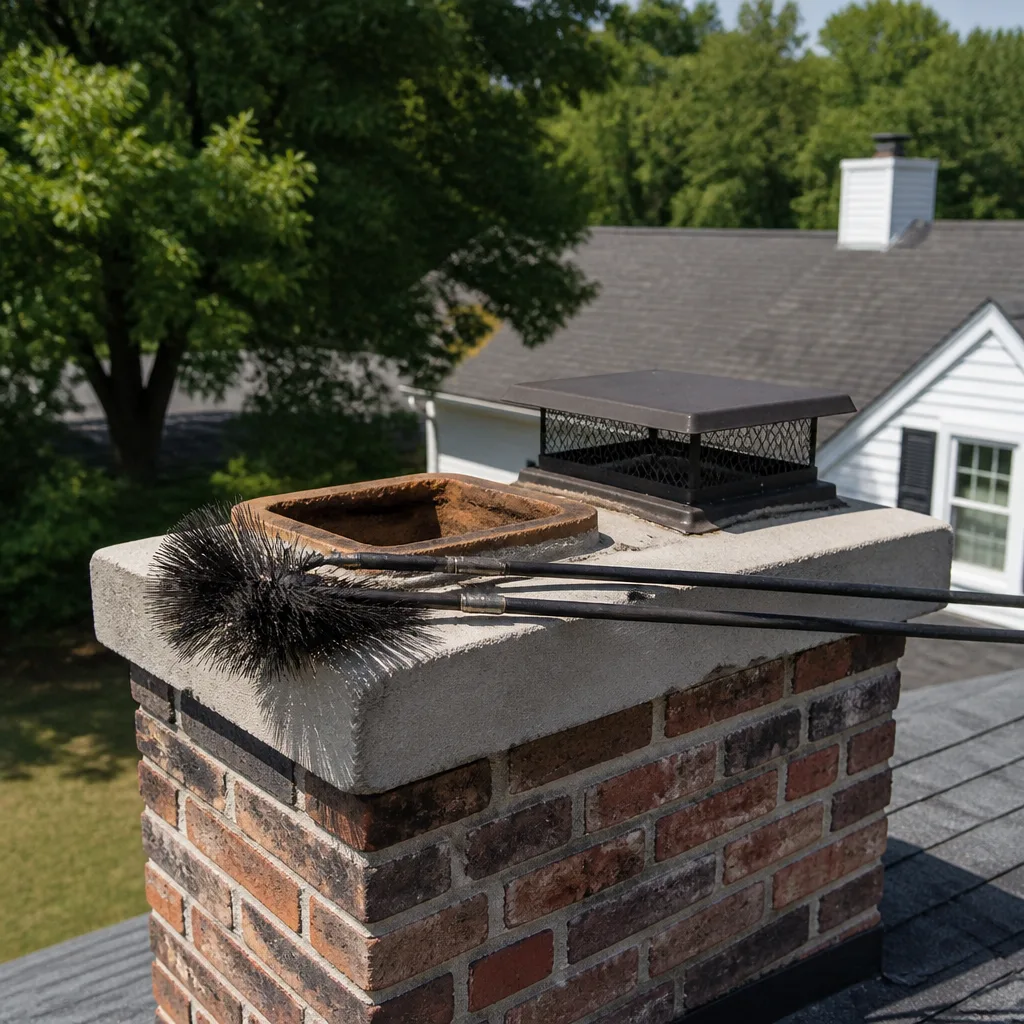 Sweep & inspection
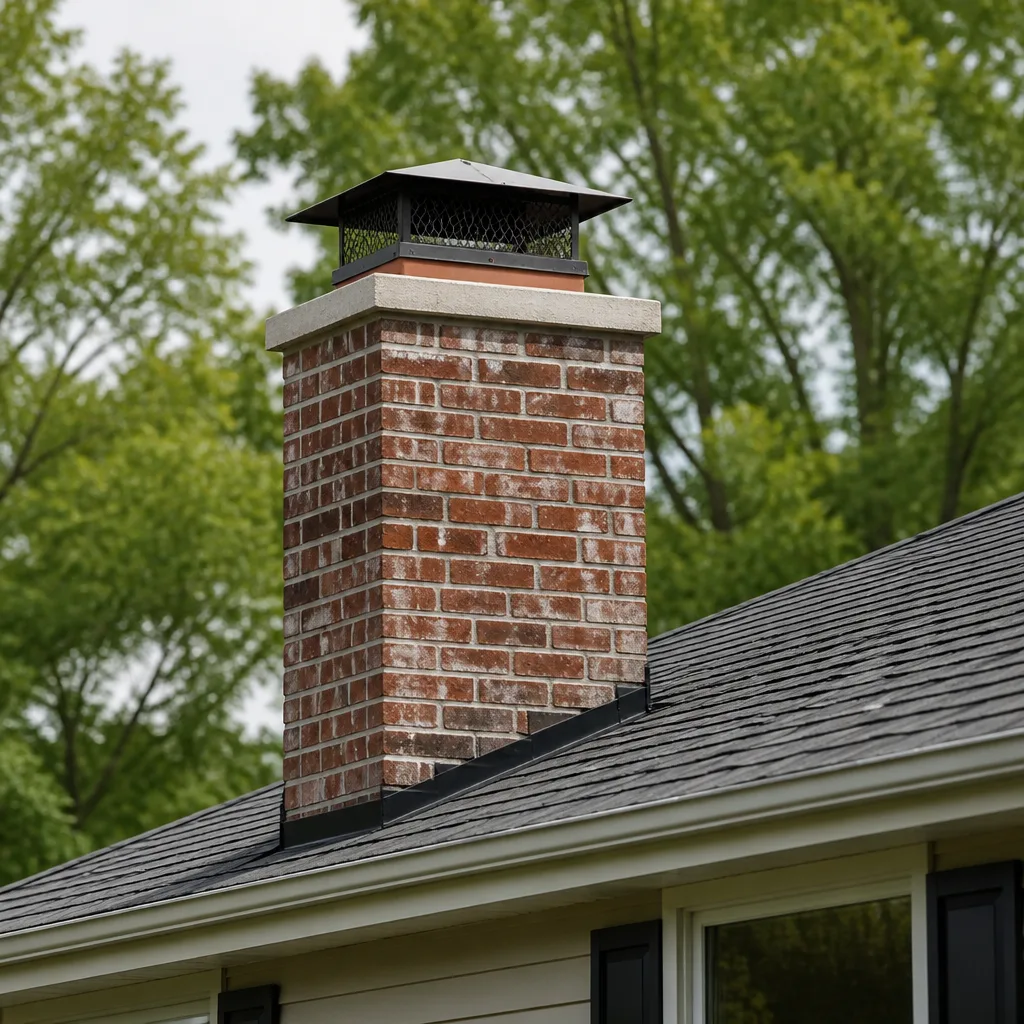 Caps & crowns
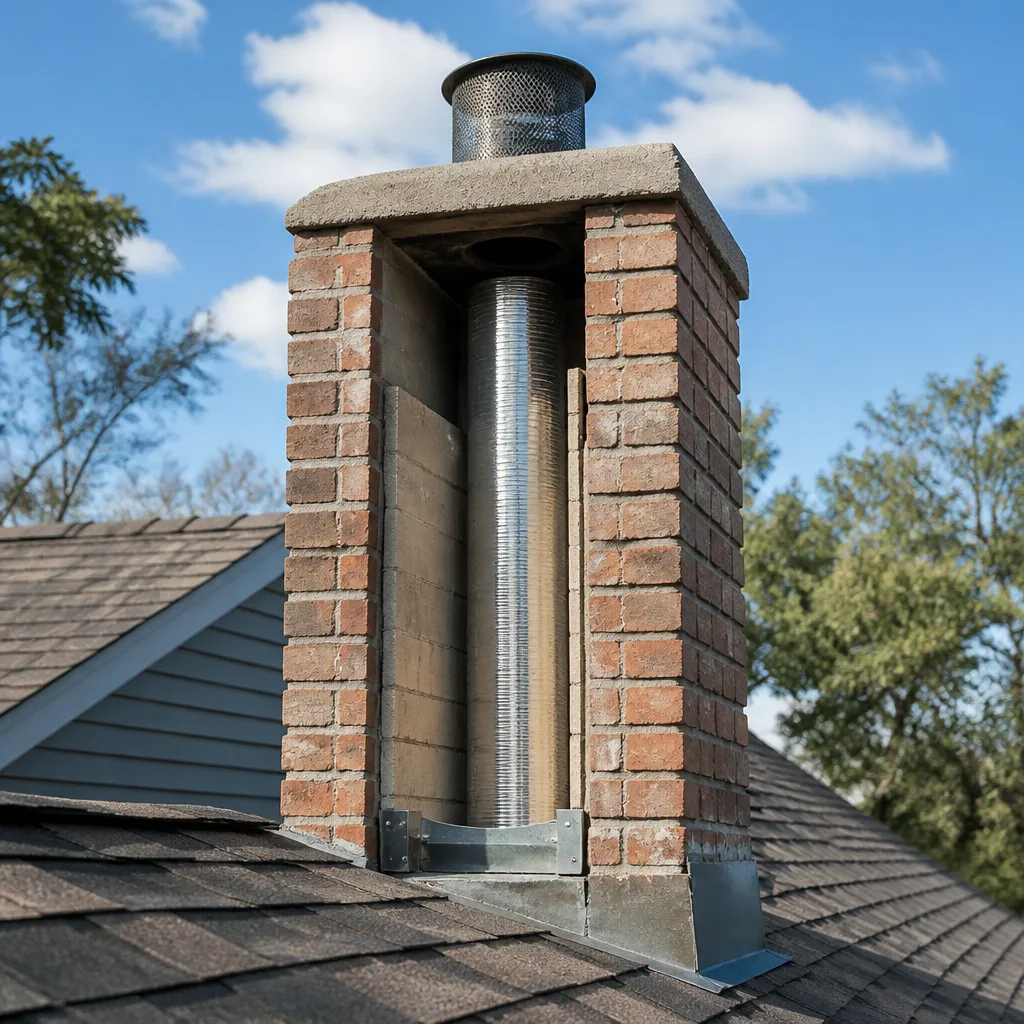 Flue relining
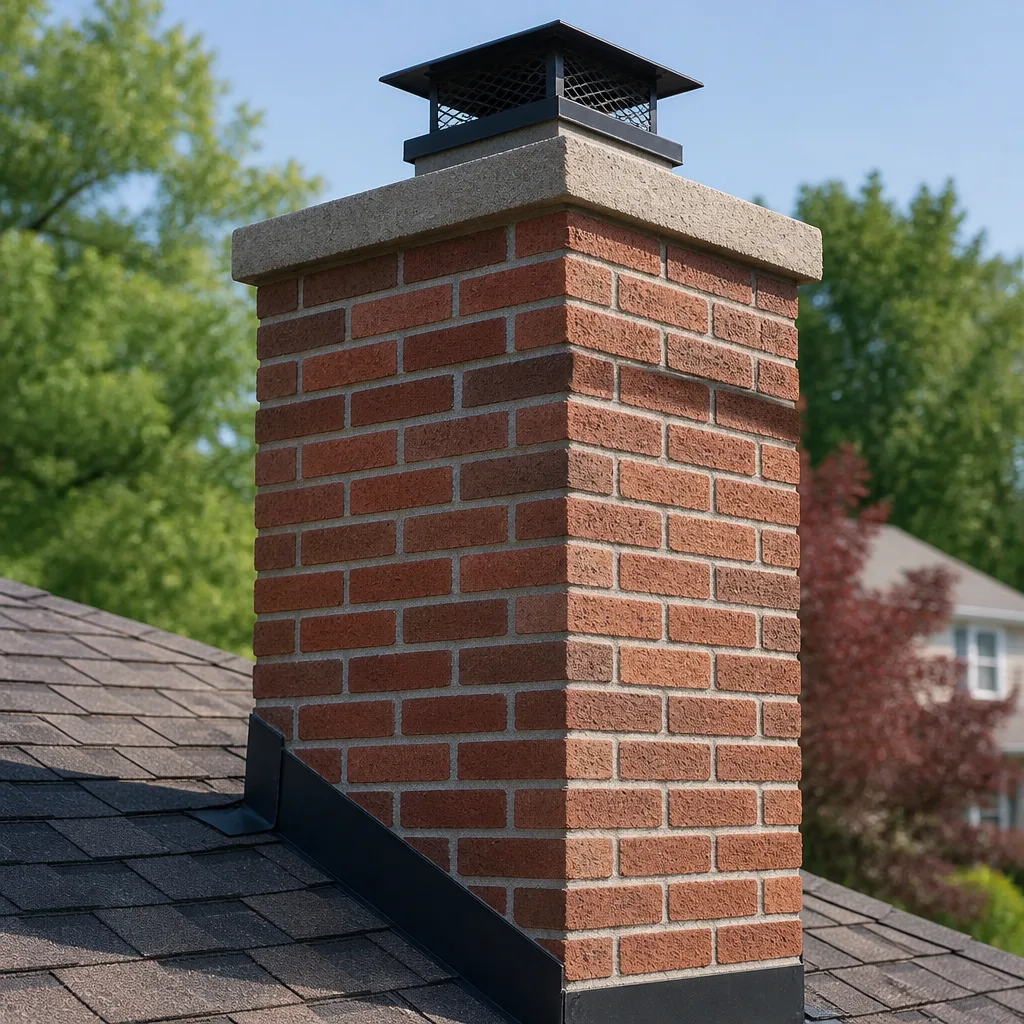 Masonry repair
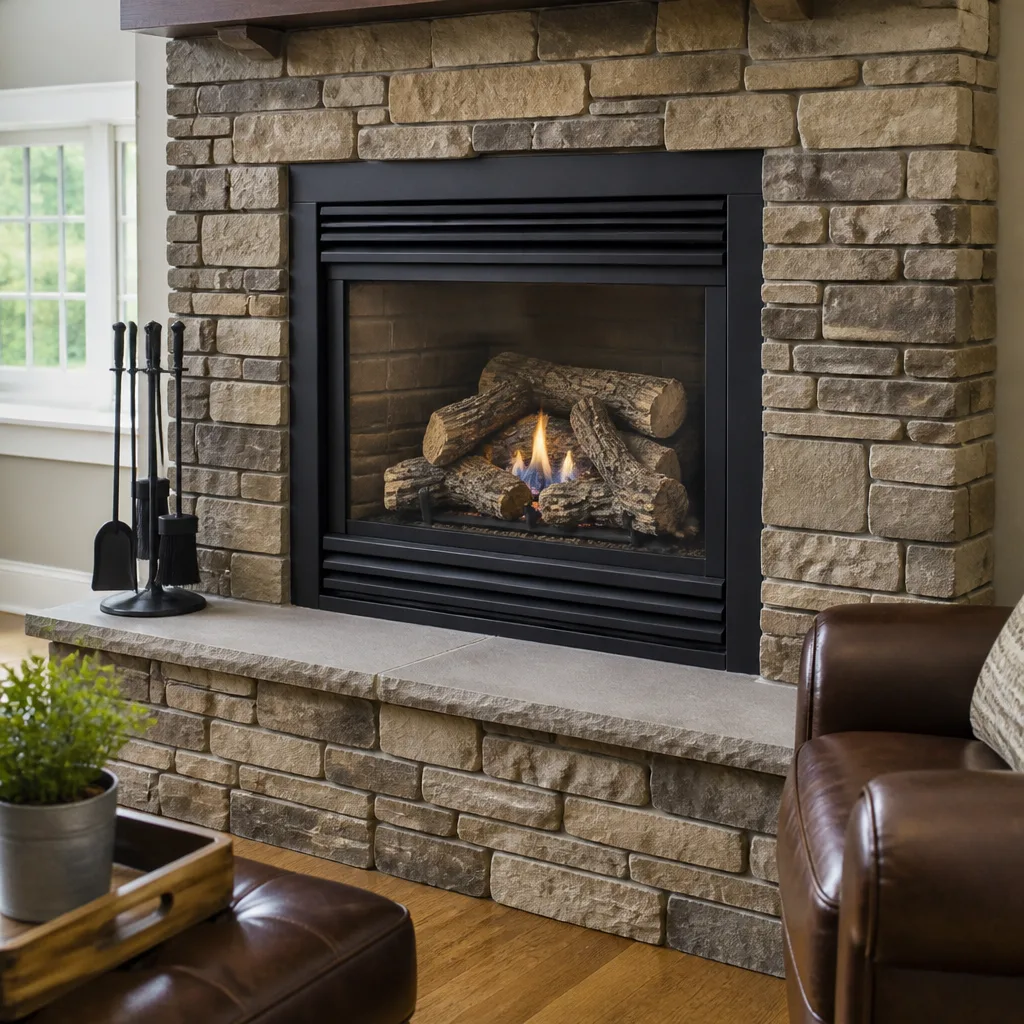 Gas fireplace service
Level 1 sweep and inspection to the NFPA 211 annual standard - flue, crown, cap, and flashing checked and photographed
Chimney sweep logs do not sweep chimneys. They loosen some creosote - which then falls where a brush and vacuum still have to collect it.
Chimney Cleaning Cost Breakdown: The Lakewood Homeowner’s Reference for 2026
The $89 chimney cleaning special you’ll see advertised around Lakewood isn’t really a cleaning. It’s a loss leader designed to get a technician through your front door, and what happens after that first price is where the real invoice gets built. We’ve watched homeowners compare three quotes, pick the lowest number, and end up paying for a scope of work nobody explained to them up front. So let’s fix that. This guide breaks down what chimney cleaning actually costs in Lakewood in 2026, what each price point includes, which add-ons are legitimate and which get oversold, and how to read a quote line by line so you know exactly what you’re buying. This is the reference we wish every Lakewood homeowner had before making the first call.
Quick Answer
A standard chimney cleaning in Lakewood typically runs $180 to $320 for a masonry fireplace, with gas inserts and wood stoves falling in the $150 to $280 range and prefab zero-clearance systems closer to $140 to $250. Price moves with flue height, creosote level, the number of flues, and how hard the access is. The written estimate you receive on-site sets the final price, and nothing should be added without a conversation first.
Key takeaway: the number on the ad is a hook, not a quote. The number on your written estimate is the real one.
Styles & brands we work with
- Sweep & inspection
- Caps & crowns
- Flue relining
- Masonry repair
- Gas fireplace service
Table of Contents
- What’s Actually Included in a Chimney Cleaning Quote
- Real 2026 Lakewood Price Ranges by Chimney Type
- What Drives Price Up (and Down) in Lakewood
- The Add-Ons That Are Legitimate vs. the Ones That Get Oversold
- How to Read a Chimney Quote Line by Line
- The Cost of Skipping a Cleaning vs. the Cost of the Repairs It Prevents
- Why Lakewood’s Climate and Housing Stock Matter
- How Often You Actually Need a Cleaning in Lakewood
What’s Actually Included in a Chimney Cleaning Quote
A real chimney cleaning covers the flue, the firebox, the smoke chamber, the damper, and the smoke shelf. If a quote only mentions “sweeping the flue,” you’re buying half a service. The best cleaning in the world leaves a firebox full of soot and a smoke chamber coated in glaze, and you’ll never see the difference until the next fire backs up into your living room.
Here’s what should appear in the scope of any honest cleaning at a Lakewood home:
- Drop cloths and containment around the hearth so soot doesn’t travel through the house.
- A proper brush and rod set sized to your flue, plus a HEPA-rated vacuum running the whole time.
- Flue, firebox, smoke chamber, smoke shelf, and damper all cleaned, not just the flue.
- A visual check of the cap, crown, and flashing from the ground or roof, depending on access.
- A clear verbal report on creosote level and any concerns observed during the sweep.
If the technician is in and out in fifteen minutes, they didn’t clean your chimney. They ran a brush down the flue and left the rest of the system alone. A thorough chimney sweep on a standard masonry fireplace takes closer to an hour when done properly, and that time is part of what the price reflects.
Real 2026 Lakewood Price Ranges by Chimney Type
Chimney cleaning prices are not one-size. The flue configuration, the fuel type, and the access all change what the job involves. Below is what we see across Lakewood in 2026, broken out by system type. Treat these as typical ranges, not a quote – your written estimate will refine the number based on what’s actually on your roof.
- Standard masonry fireplace: $180 to $320 per cleaning. The most common setup in Lakewood’s older ranch homes. Brick and mortar construction, one flue, straightforward access.
- Gas insert (venting through an existing flue or dedicated gas vent): $150 to $280. Less creosote volume than wood, but the insert needs to be checked for proper venting and the flue verified for the correct liner type.
- Wood stove: $180 to $300. Freestanding stoves often involve tighter clearances, more involved containment, and heavier creosote buildup from the slower, smokier burns.
- Prefab zero-clearance fireplace: $140 to $250. Lighter construction and typically simpler access, but the flue needs the correct brush type and the inspection has to verify the metal liner hasn’t warped or cracked.
- Multi-flue chimney (two or more flues): add $80 to $180 to the base price depending on how many flues are cleaned and how the roofline is laid out.
The pattern is simple: taller flues, tighter access, and higher creosote all push the number up. Open ranch homes with a walkable roof stay on the low end. Two-stories with steep pitches and screening or a steep ladder move toward the high end. That’s not a Lakewood-specific gimmick – it’s the physical reality of the work.
What Drives Price Up (and Down) in Lakewood
Two chimneys on the same street can quote $120 apart, and both numbers can be honest. The quote reflects the actual job, not the neighborhood. Four factors do most of the work:
- Flue height. A single-story ranch in the Eiber or Countryside neighborhoods usually means a shorter flue and easier access. A two-story in Applewood or Green Mountain adds rod length, ladder time, and setup.
- Creosote level. Light, fluffy creosote sweeps out with standard brushes. Glazed, hardened creosote has to be broken down with rotary tools, and that’s a different job at a different price. A chimney that’s gone several seasons without cleaning is more likely to be at that higher level.
- Number of flues. A chimney serving both a fireplace and a furnace has two flues. Each one needs its own cleaning.
- Access difficulty. Roof pitch, the presence of a chimney screen, nearby trees, and whether the roof is walkable all affect the setup time. A steep-pitch roof or a chimney on a narrow setback changes the labor involved.
Creosote level is the one most homeowners underestimate. We see chimneys in Lakewood with three-plus seasons of buildup that have never been touched, and the cleaning quote reflects that reality. It’s not a penalty – it’s just the amount of work the chimney actually needs.
The Add-Ons That Are Legitimate vs. the Ones That Get Oversold
Add-ons are where a lot of chimney cleaning invoices go sideways. Some of them are genuinely necessary. Others are fear-based sales padded onto a cleaning that didn’t need them. Here’s the split.
Legitimate add-ons worth paying for:
- Video inspection after heavy use or a long gap between cleanings. A camera run down the flue shows the actual condition of the liner, the joints, and any cracks you can’t see from below. This is real diagnostic value, and it’s the only way to know whether a repair is necessary or not. We include camera inspection and a photo report so you can see what we see.
- Cap installation or replacement when the cap is missing, rusted through, or the wrong size. An open flue is an open invitation to rain, birds, and squirrels, and a properly fitted cap is a real fix. We treat chimney cap & crown as its own service for exactly this reason.
- Crown repair or resurfacing when the crown has cracked and water is getting into the masonry. Left alone, that water works into the chimney structure and shows up as a much larger repair later.
- Liner restoration when the inspection shows the liner is failing. HeatShield ceramic resurfacing can restore a liner that’s still structurally sound, which is often a better answer than a full replacement – and it’s a specialized process a general sweep service typically doesn’t offer.
Add-ons that get oversold:
- “Complete liner replacement” quoted before anyone ran a camera. If the recommendation comes before the inspection, ask for the evidence. A cracked liner is real and serious, but the diagnosis has to come from the inside, not a guess from the ground.
- Sealing or waterproofing sold on every visit. Useful when the masonry is actually taking on water. Not useful as a line item bolted onto every cleaning.
- “Emergency” full-system rebuilds when a targeted repair would do.
A good rule: nothing gets recommended that isn’t backed by camera evidence you can look at yourself. If the technician can’t show you the photo, don’t authorize the work.
How to Read a Chimney Quote Line by Line
The single best way to compare quotes is to compare scope, not price. Two $200 cleanings can be entirely different jobs. Here’s how to read a quote like someone who’s been through this before:
- Check that all five areas are named. Flue, firebox, smoke chamber, smoke shelf, damper. If a quote only lists “flue cleaning,” ask what happens to the rest of the system.
- Look for the creosote level assumption. A quote built on “light buildup” and a quote built on “heavy glazed creosote” are not comparable prices. Ask which level the quote assumes and what happens if the reality is worse.
- Note whether inspection is included or separate. At Lakewood Chimney Sweep Co, inspection is a standalone service, not bundled to force an upsell. A quote that hides inspection inside the cleaning price isn’t necessarily wrong, but you should know what you’re paying for.
- Identify the add-ons and the conditions attached to them. “Cap replacement, if needed: $X” is honest. A vague “additional work may apply” with no conditions is not.
- Confirm whether the price is the written estimate or an estimate of the estimate. The written estimate should set the final price before work begins. If the technician can’t give you that, ask why.
- Ask what the camera inspection will show and whether you’ll see the photos. This is the moment where a sales pitch and a real diagnostic get separated. A legitimate technician will show you the photos, explain what they mean, and tell you honestly when work can safely wait.
- Watch for a line-item that’s oversized for the problem. A small crack near the top of the flue does not equal a full liner replacement. A slightly rusted cap doesn’t equal a chimney rebuild.
Read the quote, ask about the scope, and don’t let urgency override the inspection. Chimney work that’s done with evidence beats chimney work that’s done in a hurry.
The Cost of Skipping a Cleaning vs. the Cost of the Repairs It Prevents
Skipping a cleaning looks cheap in the short term and gets expensive in the long term. The comparison isn’t hypothetical – it’s a straight line between what a cleaning costs and what a repair costs when the cleaning is skipped and the problem compounds.
What a skipped cleaning leads to:
- Creosote buildup to the glazed stage, which is harder to remove and increases the risk of a chimney fire. The cleaning cost rises because the job is now a rotary-tool job instead of a brush job.
- Obstructed flue from soot, animal nests, or a partially collapsed liner. Smoke backs up into the living space and carbon monoxide risk rises.
- Water intrusion through a failed crown or missing cap, which works into the masonry over time and turns a small repair into a larger one.
- Cracked or deteriorated liner from repeated heat cycles with no inspection to catch it early.
Now the repair side. A full liner replacement typically runs well north of what a cleaning costs. Crown repair and resurfacing sits in a moderate range. A chimney rebuild after prolonged water damage is a substantially larger project. And a chimney fire that starts in glazed creosote can involve structural damage and insurance claims that no cleaning cost would have approached.
We’re not in the business of scaring homeowners into work they don’t need. Plenty of chimneys in Lakewood can safely wait another season. But the math is what it is: the cost of a cleaning is a small fraction of the cost of the repairs it prevents, and the difference between “clean and safe” and “one more season” is a conversation worth having before the burning season starts.
Why Lakewood’s Climate and Housing Stock Matter
Lakewood’s housing mix shapes what a chimney job actually looks like. Much of the city’s inventory is single-story ranch construction, with a significant layer of mid-century two-story homes in neighborhoods like Applewood, Belmar, and Lakewood itself. Ranch homes usually mean easier access and shorter flues. Two-stories push the flue height up and can complicate ladder access and containment on the roof.
The climate does its own work. Lakewood’s dry summers and cold winters create a cycle of heat expansion and contraction on masonry that stresses the crown and the mortar joints. Cracks that start small in summer grow through the freeze-thaw cycle in winter. Snow and ice sitting on an unmaintained crown make it worse. That’s why a crown in reasonable condition in, say, April can look different by November, and it’s why we treat chimney cap & crown work as preventive rather than a repair we only do once damage is visible.
It’s also why we specify products that hold up to the local cycle. DuraFlex liner systems and HeatShield ceramic resurfacing are chosen because they handle the thermal movement that Lakewood winters put on a chimney. Olympia Chimney components and Gelco sealants round out the material roster when a repair calls for them. We specify the right product for the repair, not whatever’s cheapest at the supply house.
How Often You Actually Need a Cleaning in Lakewood
The straightforward answer: once per year if you’re burning wood regularly through the heating season, and once every two or three years if you’re burning only occasionally. The real answer depends on how you burn, not on a calendar.
Three things push you toward a cleaning sooner than the calendar suggests:
- You burn green or unseasoned wood. It produces more creosote per cord than dry hardwood.
- You burn slow, smoldering fires. A damped-down fire makes more smoke and more buildup than a hot fire.
- You can see a quarter-inch or more of buildup in the flue from a flashlight check. That’s the threshold where a cleaning stops being optional.
For gas inserts, the cleaning frequency drops but the inspection frequency doesn’t. A gas insert vents differently and the flue needs to be checked for proper liner condition and venting, especially in older Lakewood homes where a gas insert may have been retrofitted into a chimney originally built for wood.
If you’re not sure where your chimney stands, that’s the moment to book an inspection rather than a cleaning. A camera inspection will tell you whether the chimney needs a cleaning this year or can safely wait.
Common Mistakes to Avoid
- Choosing the $89 cleaning special. It’s a door-opener, not a cleaning. The real price emerges after the technician is inside, and adding scope mid-visit is the whole business model.
- Authorizing a liner replacement without seeing the camera footage. A camera inspection is the entire basis for that recommendation. If no footage exists, ask why before you sign.
- Skipping the inspection because the cleaning was fine. Cleaning and inspection are different jobs. A clean flue can still have a cracked liner, an improperly seated cap, or a crown that’s failing.
- Burning damp wood to save money. It produces more creosote, it coats the flue faster, and it raises the cost of the next cleaning. Seasoned hardwood costs a little more per cord and a lot less per cleaning.
- Putting off a cap replacement “until next year.” An open or damaged cap lets water and animals into the flue, and the eventual repair bill reflects that.
- Assuming a gas fireplace doesn’t need servicing. Gas inserts still vent, still need the liner checked, and can still produce carbon monoxide if the venting is compromised.
- Calling a general handyman for chimney work. Chimney repair, liner work, and crown work require specific tools and materials. A generalist with a brush and a flashlight isn’t the same service as a chimney specialist.
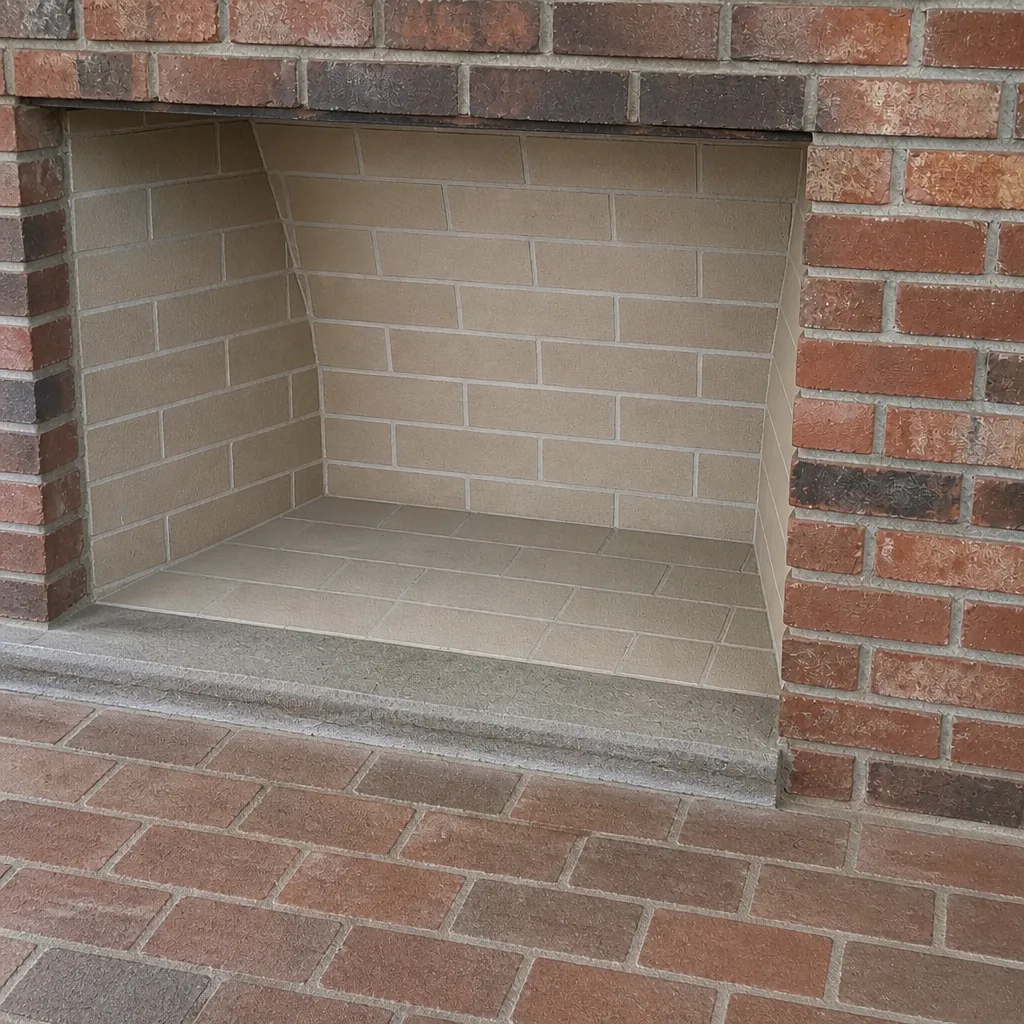
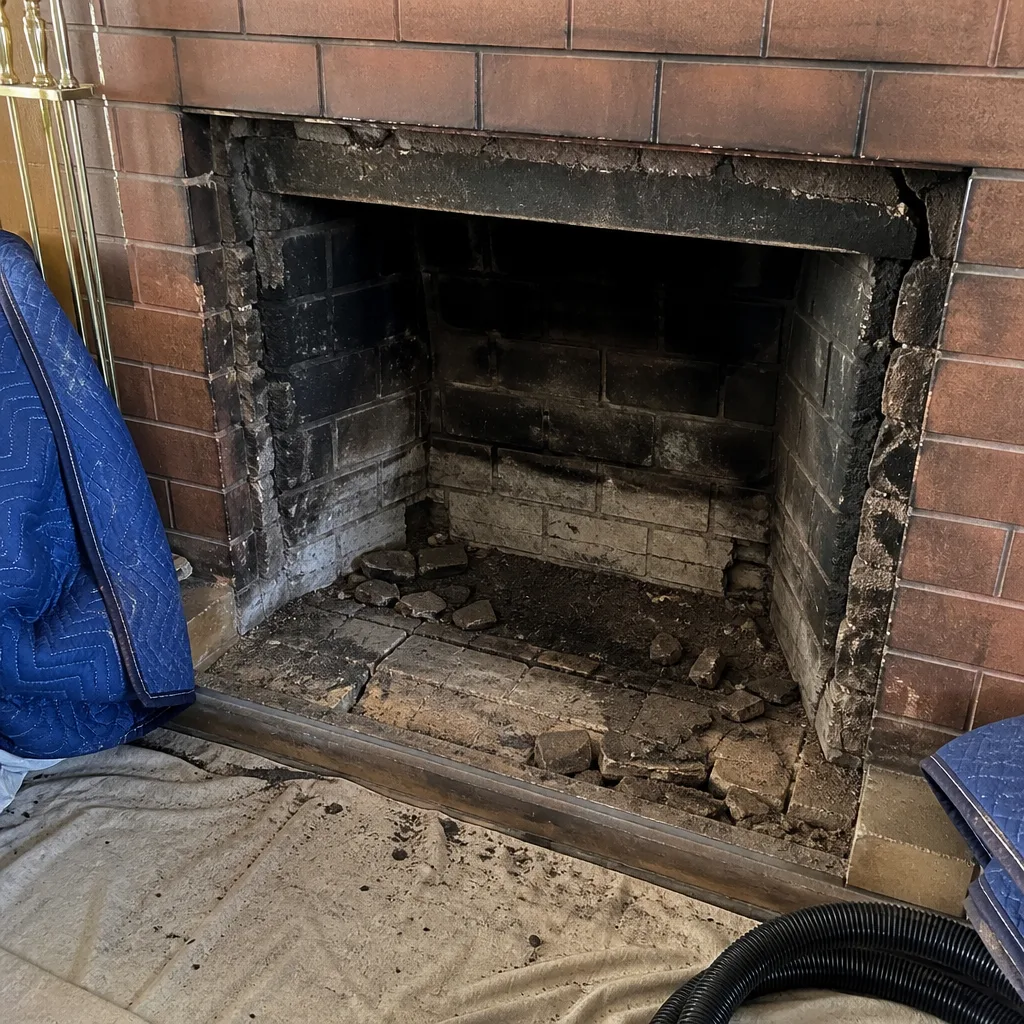
See the difference
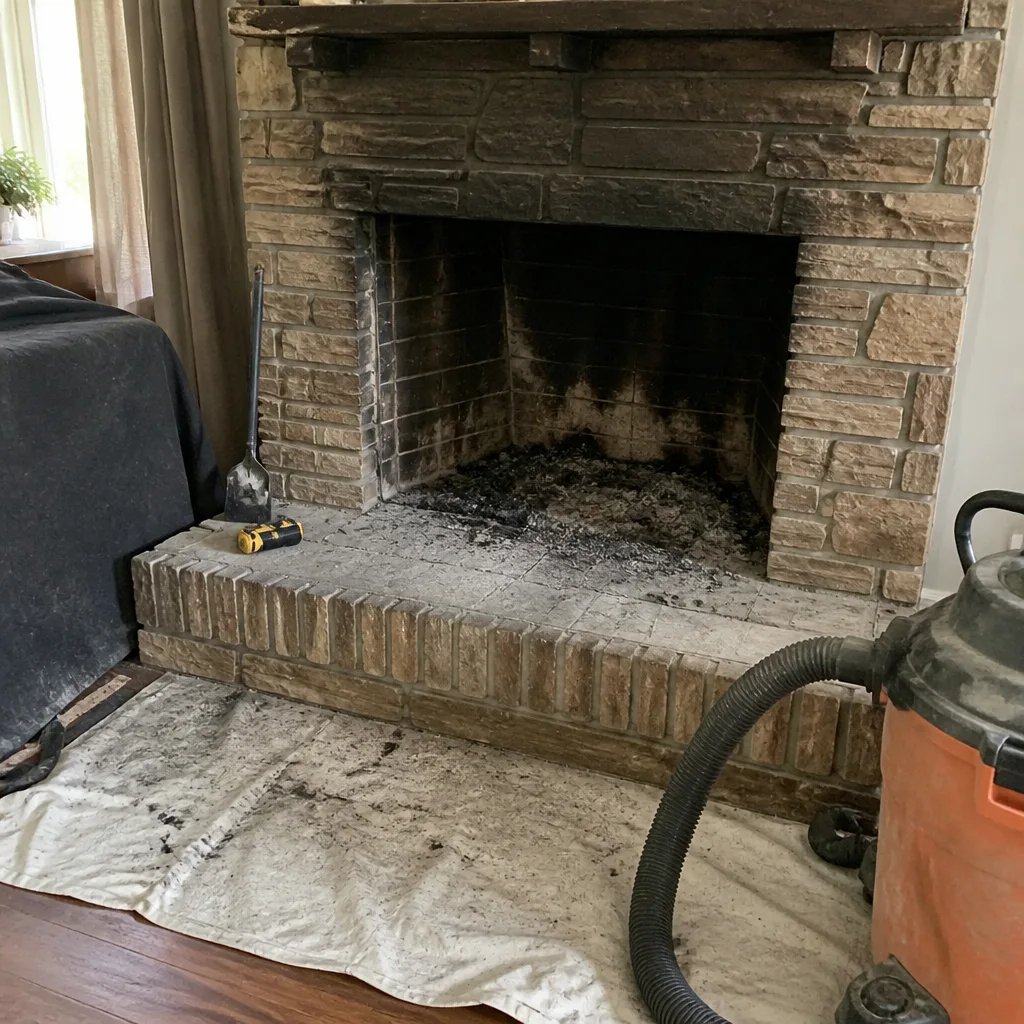 Before
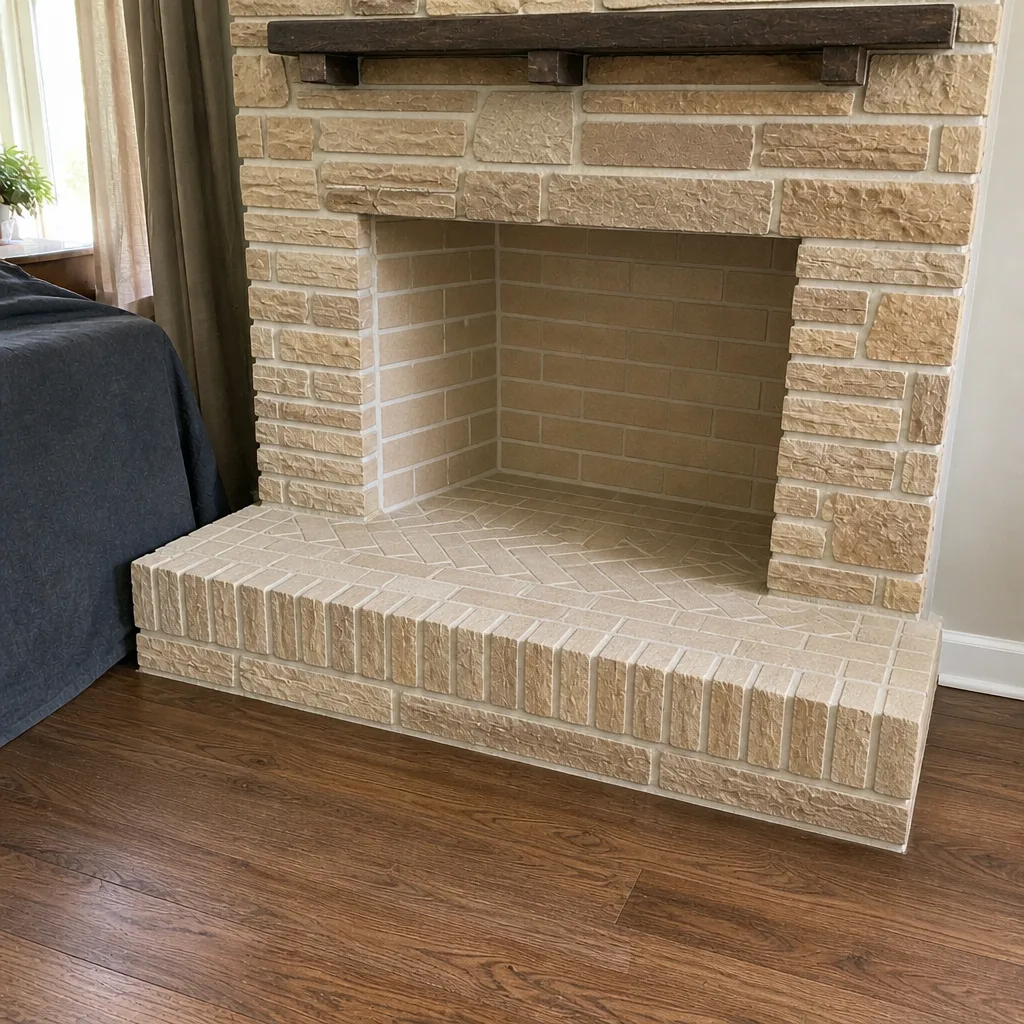 After
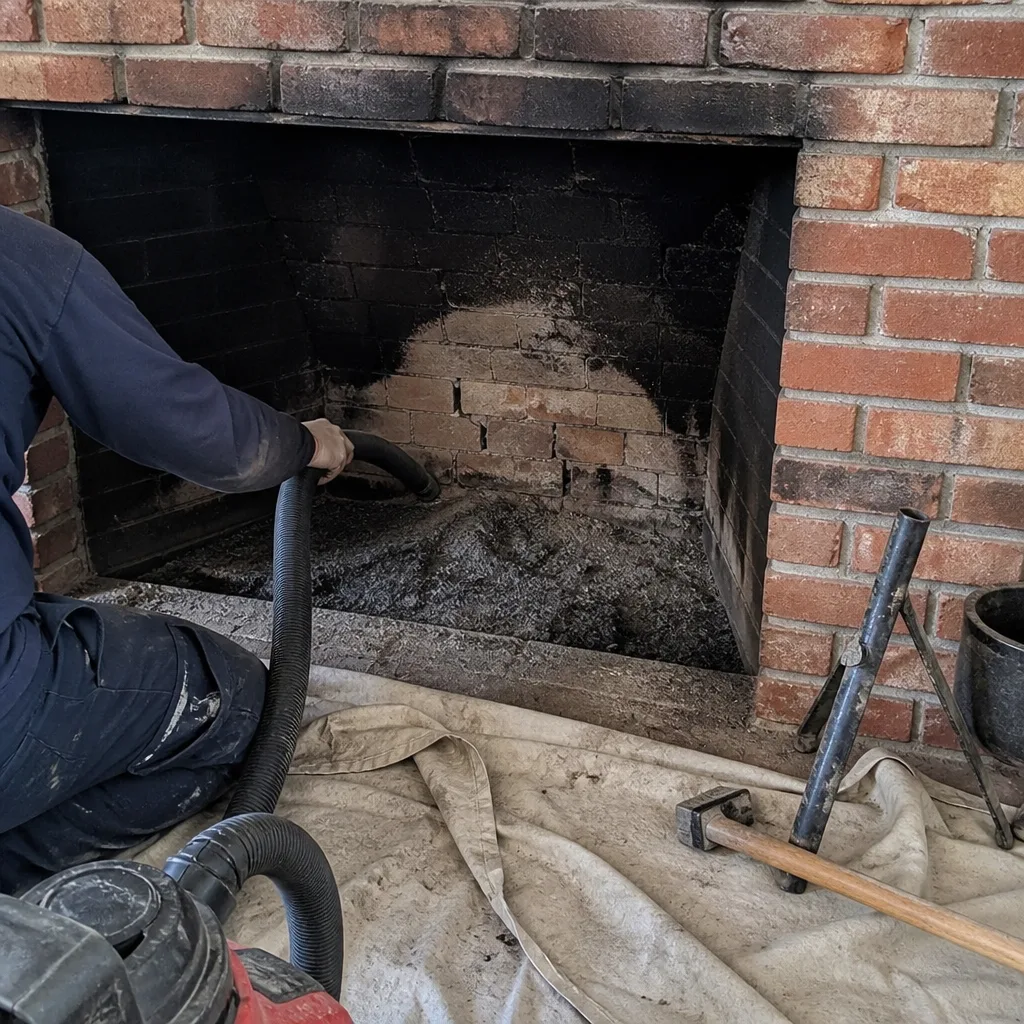 Before
 After
 Before
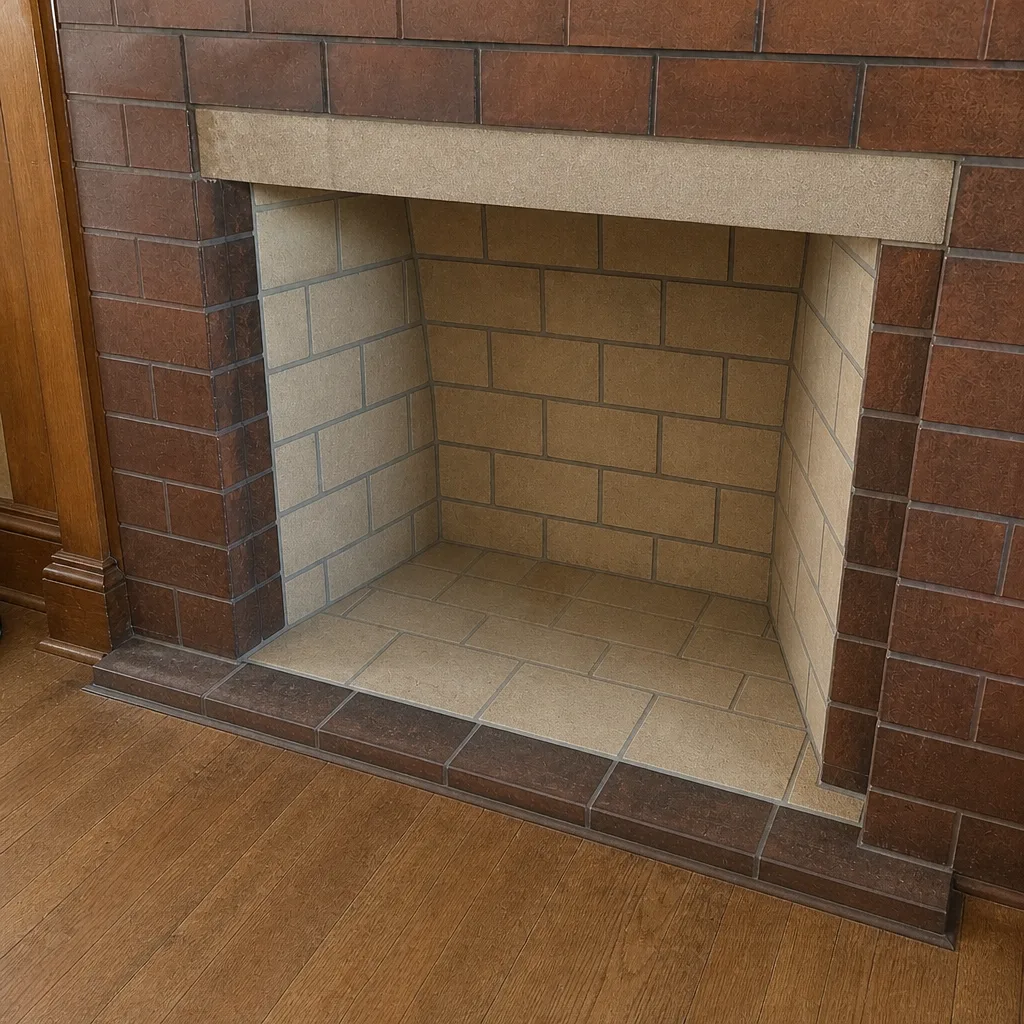 After
When to Call a Professional
Some situations are clear-cut and shouldn’t wait. If you smell smoke in the house when the fireplace isn’t in use, if you see creosote buildup beyond a quarter inch, if the cap is missing or damaged, if the crown has visible cracks, or if you’ve never had the chimney inspected and you’re moving into a home in Lakewood, call a professional. The same applies if you’ve had a chimney fire, even a small one – the flue needs to be inspected for heat damage before the next fire. The same is true if you’re seeing water stains inside the firebox or on the chimney exterior. And if you’re at all unsure whether your chimney needs work, an inspection answers that question for a defined cost. Lakewood Chimney Sweep Co offers free estimates in Lakewood – call (866) 937-7920. We answer 24/7. Fast dispatch from 7am to 7pm, Sunday through Friday.
Frequently Asked Questions
A chimney cleaning in Lakewood typically runs $180 to $320 for a standard masonry fireplace, with gas inserts and prefabs toward the lower end and multi-flue or heavily-soiled chimneys higher. The written estimate sets the final price and should be agreed before any work begins. Call (866) 937-7920 for an exact quote – estimates are free.
Not automatically, and not without camera evidence. A new liner is recommended when the existing liner is cracked, deteriorated, or improperly sized for the appliance – and the only way to know that is a camera inspection of the flue. HeatShield ceramic resurfacing can restore a liner that’s still structurally sound, which is often the better answer. If a company recommends a liner without showing you the footage, ask for it. Call (866) 937-7920 to book a standalone inspection.
Sweep wood-burning chimneys once per year during active heating season, or sooner if you see a quarter inch or more of creosote buildup, burn unseasoned wood, or burn slow smoldering fires. Gas inserts need inspection annually even when cleaning isn’t needed. Call (866) 937-7920 for a free estimate and a straight answer on scheduling.
Creosote keeps building, hardens to a glazed stage that’s harder to remove, and increases the risk of a chimney fire – a real safety issue, not a scare tactic. Blockages from soot, nests, or a failing liner can also push smoke and carbon monoxide back into the home. The repair cost of a fire or a failed liner dwarfs the cost of a cleaning. Call (866) 937-7920 to book a cleaning – estimates are free.
Yes, if your chimney has had heavy use, sat for several seasons, or you’re buying a home in the area. Video inspection is the only way to see the actual condition of the liner and joints from the inside, and it’s the basis for every legitimate repair recommendation. We include camera inspection and a photo report so you see what we see. Call (866) 937-7920 for an inspection estimate.
Because equivalent houses have different chimneys. Flue height, creosote level, number of flues, roof pitch, and access difficulty all vary from one Lakewood home to the next, even on the same block. The quote reflects the actual job, not the neighborhood. Compare scope line by line, not just the total. Call (866) 937-7920 and we’ll walk through the estimate with you.
The Bottom Line
The $89 cleaning is not the price of a cleaning. It’s the price of getting a technician into your home so the real quote can be built afterward. A legitimate chimney cleaning in Lakewood in 2026 is typically $180 to $320 for a masonry fireplace, less for gas inserts and prefabs, and more for multi-flue or heavily-soiled chimneys. Legitimate add-ons – camera inspection, cap and crown work, liner restoration with HeatShield – are the ones backed by evidence you can see. The rest are sales. Compare scope, not price. Authorize nothing without a photo you can look at. And book the cleaning before the burning season, not after.
If you want a quote that matches what’s actually on your roof, call Lakewood Chimney Sweep Co at (866) 937-7920 for a free estimate. We answer 24/7. Fast dispatch from 7am to 7pm, Sunday through Friday. From the firebox to the crown, one call covers every chimney service – and nothing gets recommended that isn’t backed by camera evidence you can see for yourself.
Written by the team at Lakewood Chimney Sweep Co.