
Last updated November 23, 2026
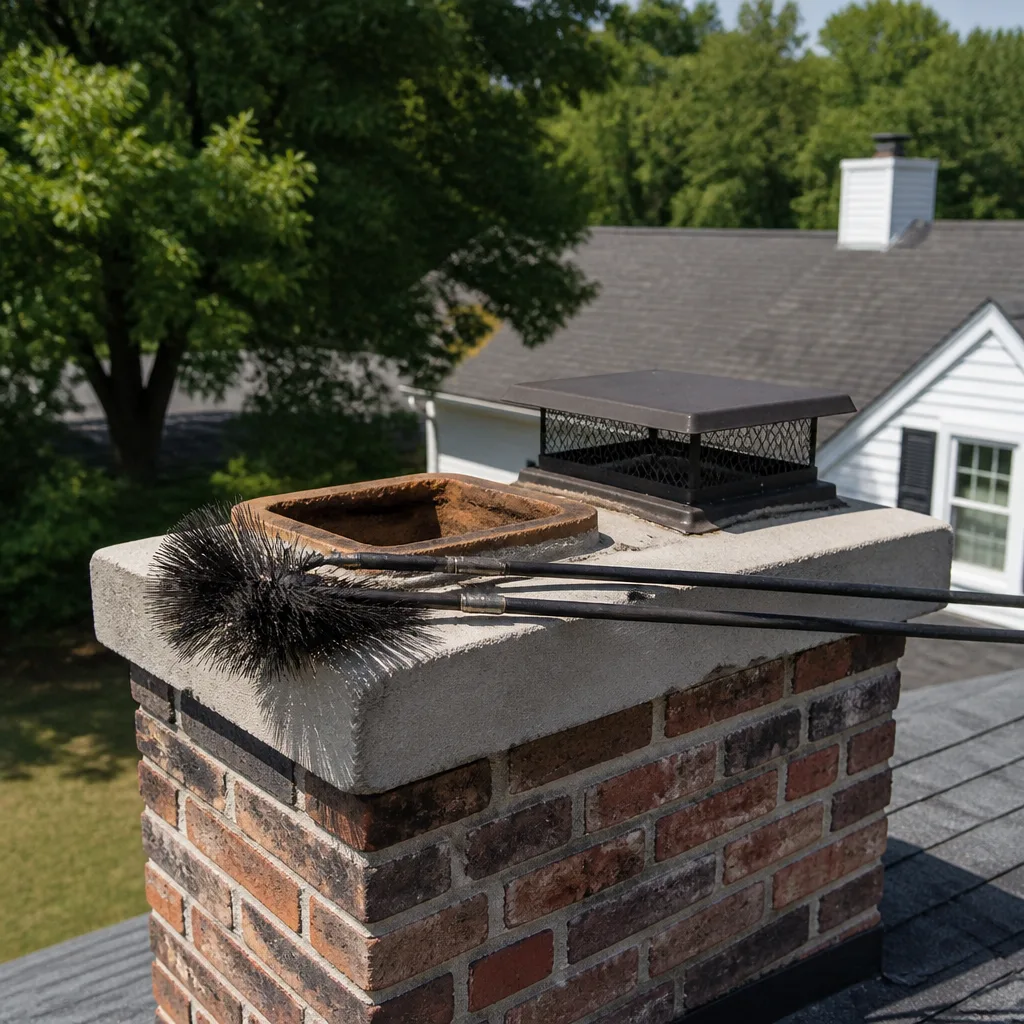 Sweep & inspection
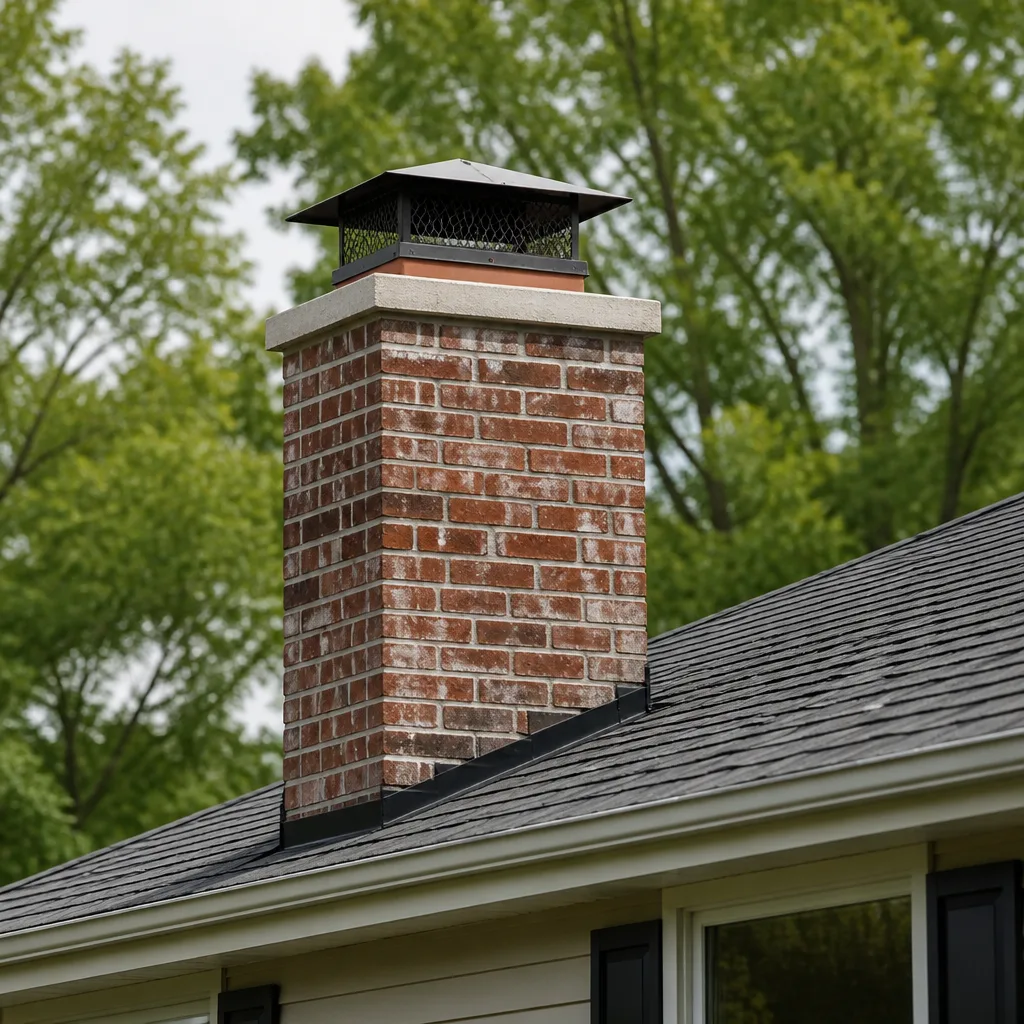 Caps & crowns
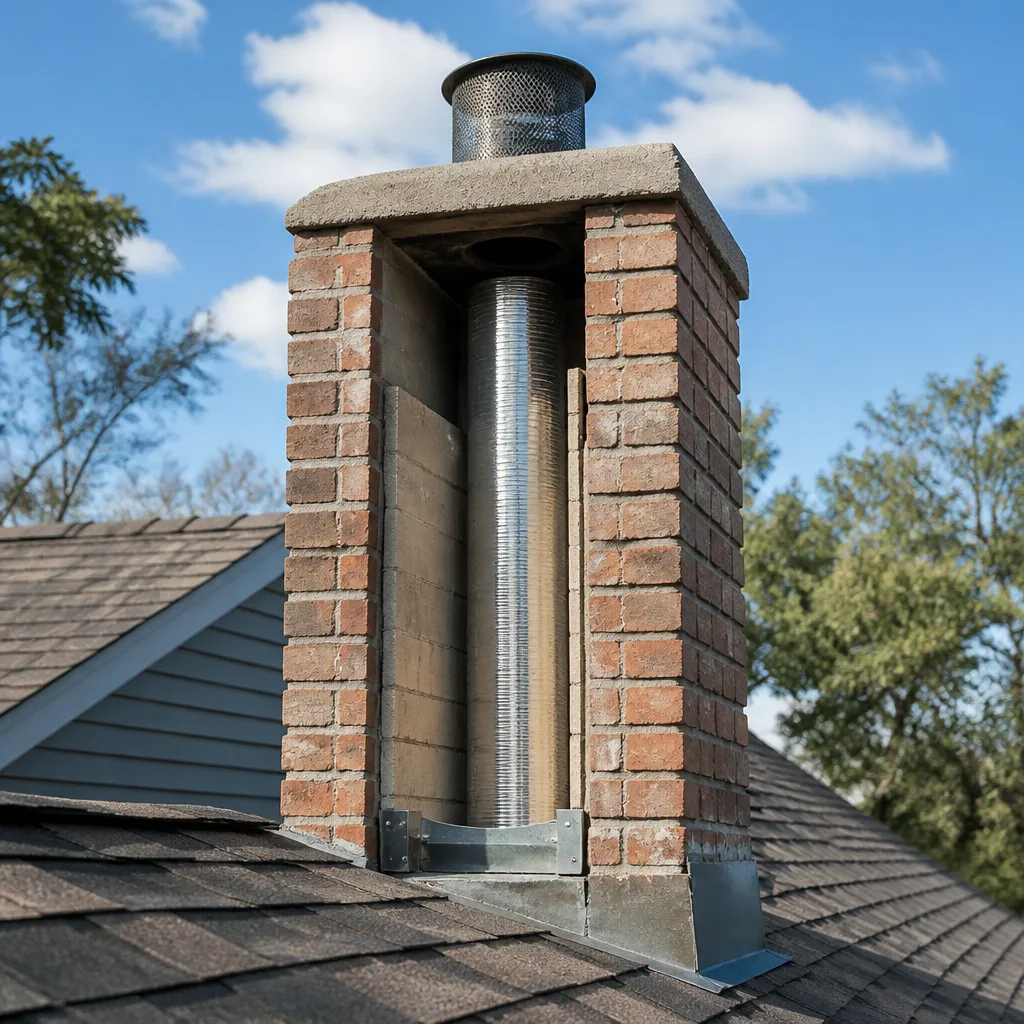 Flue relining
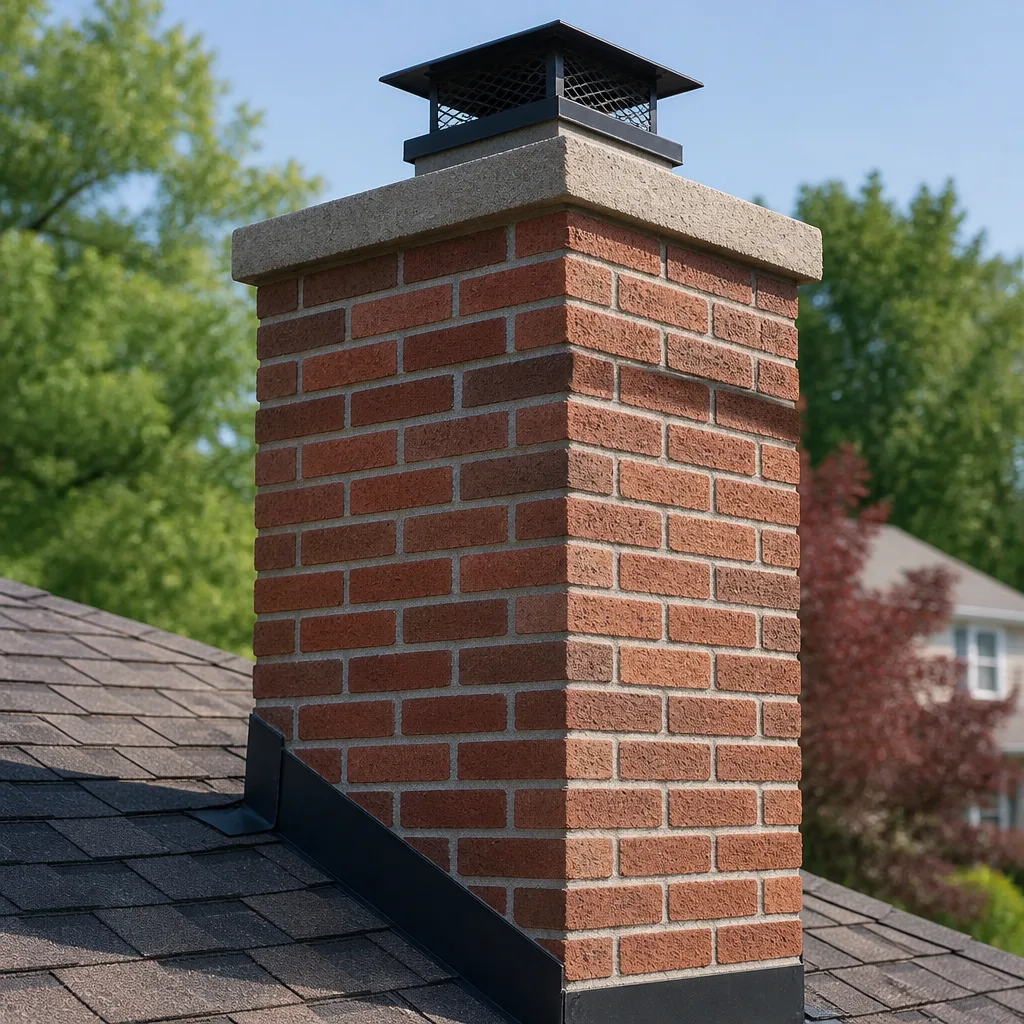 Masonry repair
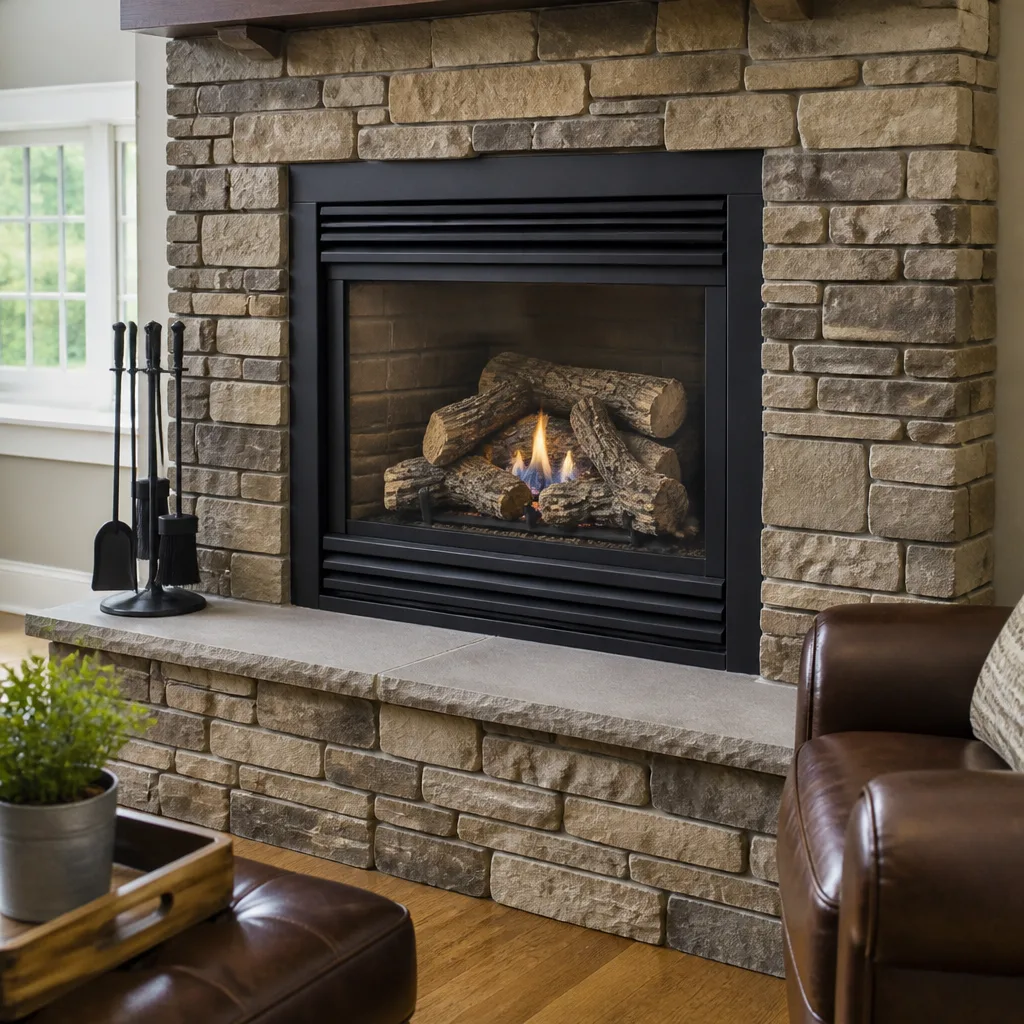 Gas fireplace service
Level 1 sweep and inspection to the NFPA 211 annual standard - flue, crown, cap, and flashing checked and photographed
Chimney sweep logs do not sweep chimneys. They loosen some creosote - which then falls where a brush and vacuum still have to collect it.
Chimney Cleaning Permits, Codes & Inspections in Lakewood, CO: What You Need to Know
Here’s the part most homeowners don’t hear until it’s a problem: the cleaning itself almost never needs a permit, but the work a cleaning uncovers often does. A cracked liner, a failed crown, a firebox that needs rebuilding – each of those crosses the line from maintenance into construction, and in Lakewood that line matters to your insurance company, your buyer’s inspector, and your city’s building department. Get the permit question wrong and the repair can look fine while the paperwork stays empty. This guide maps where that line actually sits in Jefferson County, what code the work answers to, and how to make sure any contractor you hire pulls the right permit on the record.
Quick Answer
In Lakewood, routine chimney cleaning and sweeping are considered maintenance and don’t require a building permit. Structural or component work – liner replacement, crown rebuilds, firebox and masonry repair, and most new insert installations – generally does require a permit from the City of Lakewood’s building department, and the homeowner is usually the party responsible for making sure it’s pulled. Chimney work here is judged against the International Residential Code as amended locally and NFPA 211, the national standard for chimneys, fireplaces, vents and solid-fuel appliances.
Styles & brands we work with
- Sweep & inspection
- Caps & crowns
- Flue relining
- Masonry repair
- Gas fireplace service
Table of Contents
- Where the Permit Line Is Drawn in Lakewood
- What Counts as Maintenance and Stays Permit-Free
- How Lakewood’s Local Amendments to the IRC Affect Chimneys
- NFPA 211: The Practical Code Baseline
- What Happens When Unpermitted Work Shows Up on a Real Estate Inspection
- How to Verify Your Contractor Is Pulling the Right Permit
- Chimney Inspections: What the Levels Mean and What They’re Not
- Why Lakewood’s Climate and Altitude Change the Equation
Where the Permit Line Is Drawn in Lakewood
The easiest way to think about the permit line is this: if the work changes the chimney system’s structure or its ability to vent safely, it usually needs a permit. If the work only removes soot and creosote from a system already in working order, it doesn’t. That single distinction separates a chimney sweep from just about every other chimney job.
In Lakewood the dividing line runs roughly like this:
- Permit typically required: liner replacement or a new liner inside an existing flue; crown reconstruction; firebox and masonry repair involving structural material; chimney rebuilds; installation of a wood or gas insert; converting a wood-burning fireplace to gas; adding a new chimney or flue.
- Permit typically not required: sweeping and cleaning; Level 1, 2 and 3 inspections; cap installation; chase cover replacement; small mortar repairs that don’t alter structure; damper repair or replacement with the same size and type.
- Ask the building department directly: re-lining with a pour-in ceramic product like HeatShield, storm collar replacement, and any repair touching a shared multi-unit chimney.
We say “typically” because the final word always belongs to the City of Lakewood’s building department, not to any contractor. Chimney codes don’t carve out a clean list of exemptions the way electrical or plumbing codes sometimes do, and a repair that looks cosmetic can read as structural once a plan reviewer sees it. A liner installation is the classic example: it’s a component swap in the flue, it changes the venting system, and in most jurisdictions that’s permit territory. So is a crown rebuild, because the crown is what sheds water off the entire masonry stack. When in doubt, whoever is doing the work should pick up the phone and ask before the truck arrives.
One more thing homeowners in Lakewood get wrong: the permit is not assumed to be the contractor’s responsibility. In a typical residential project the permit holder is the property owner. A contractor can pull it on your behalf, and any reputable one will, but the liability for an unpermitted job lands on the person who owns the house. That’s why the question “are you pulling a permit?” belongs in the first conversation, not the last.
What Counts as Maintenance and Stays Permit-Free
Here’s the good news: the service most Lakewood homeowners actually need, a routine sweep, falls cleanly on the permit-free side. Cleaning is maintenance. It removes creosote and soot from a system that already exists and already has whatever approvals it was built under. No plan review, no inspection card, no paperwork trail beyond the receipt and the technician’s written report.
What stays exempt covers a wider range than people expect:
- Sweeping and creosote removal, including the more stubborn glazed creosote that builds up in a wood-burning flue over a season.
- Chimney inspections of any level, including a Level 2 inspection with camera and photo documentation.
- Cap installation and replacement, which is one of the cheaper and more protective jobs a homeowner can ask for.
- Chase cover and storm collar replacement on a factory-built chimney.
- Minor mortar touch-ups that don’t change the structure of the chimney.
- Damper repair, so long as you’re replacing like for like.
- Removal of a bird or animal nest from the flue, followed by a sweep.
That list matters because it tells you when a chimney company is quoting you maintenance and when they’re quoting construction. If a technician recommends a repair that involves new material inside the flue or new structural masonry on the exterior, that’s a permit conversation. If they recommend a sweep and a cap because you’ve got a draft problem and a rain-soaked crown, that’s maintenance. Knowing the difference is your best defense against being sold a permit-requiring job that nobody ever pulls the permit for.
On a recent note about frequency: the standard advice is a sweep once a year if you burn regularly, and more often if you burn hard. In Lakewood, a household running the fireplace through a full Front Range winter will usually see enough creosote buildup to justify an annual sweep. That annual visit is also where you’ll first hear about a problem that needs a permit, which is why skipping the sweep can quietly postpone a repair that code would want done.
How Lakewood’s Local Amendments to the IRC Affect Chimneys
Colorado doesn’t have a single statewide building code; local jurisdictions adopt their own versions, and Lakewood adopts the International Residential Code with local amendments, along with the International Building Code for commercial and multi-family work. The chimney and fireplace provisions live in IRC Chapter 10 (Chimneys and Fireplaces) and Chapter 24 (Fuel Gas) when a gas appliance is involved. What locals need to know is that the amendments are the part that changes the practical details.
Three things usually shift under local amendments, and they’re worth confirming with the City of Lakewood building department before any job starts:
- Clearance to combustibles. The IRC sets minimum clearance between a chimney or vent connector and combustible material. Amendments and manufacturer installation instructions can tighten those numbers, especially for factory-built chimneys where the listing controls over the generic code text.
- Liner specifications. The code requires a listed liner matched to the appliance and the fuel. A wood-burning insert in a masonry fireplace needs a correctly sized liner, continuous from the appliance to the top, and the liner’s listing has to match the appliance’s flue collar and the chimney’s height and configuration. This is where a product like a DuraFlex liner system earns its place – not because it’s a brand, but because it’s a listed system with documentation a plan reviewer will accept.
- Insert installations. An insert changes the heat output, the venting and sometimes the surrounding clearance, which is why it’s the most common chimney job that trips the permit requirement. The installation instructions are part of the code, and inspectors check them.
We specify the right product for the repair because the product’s listing is what the code actually enforces. A liner that isn’t documented for the appliance it’s venting is a liner the inspector can’t sign off on, no matter how well it fits. The same logic applies to an Olympia Chimney component or a Famco cap – the paperwork trail matters as much as the installation.
NFPA 211: The Practical Code Baseline
NFPA 211, the Standard for Chimneys, Fireplaces, Vents, and Solid Fuel-Burning Appliances, is the document most chimney professionals actually work from day to day, even though the building code is what the city enforces. The two connected: the IRC references NFPA 211 for chimney construction and inspection standards, so a technician and a plan reviewer are essentially reading the same rulebook in different bindings.
For homeowners, NFPA 211 is where these ideas come from:
- The three levels of chimney inspection, which we’ll cover in a moment.
- The requirement that solid-fuel appliances connect to a properly sized and listed flue.
- Clearance standards for masonry and factory-built chimneys.
- The expectation that a chimney be inspected and swept as needed, not just serviced when it fails.
In our experience the standard becomes useful the moment a homeowner asks “how do you know?” A technician working to NFPA 211 can point to a specific inspection level, describe what was found, and photograph it. That’s a different conversation than “trust me, it needs work.” The standard is also the reason a standalone inspection has value on its own: an inspection isn’t a sales call, it’s a documented assessment against a published baseline. When it’s done properly, you walk away with a report you can hand to an insurance company, a buyer, or the next contractor.
One caution: NFPA 211 is a standard, not a permit. Meeting the standard doesn’t waive a permit requirement, and pulling a permit doesn’t guarantee the work meets the standard. Both matter, and in Lakewood they’re checked by different people at different times.
What Happens When Unpermitted Work Shows Up on a Real Estate Inspection
This is the scenario we hear about most, and it’s getting more common as Lakewood’s housing stock turns over faster. A house goes on the market. The buyer’s inspector climbs the roof, opens the firebox, and writes something like “chimney liner appears recently replaced; no permit documentation available.” That sentence can stall a closing, reopen price negotiations, or send the seller scrambling for records that were never filed.
Why? Because a home inspector and a real estate attorney both know an unpermitted repair creates two problems. The first is safety: nobody with authority has verified the installation. The second is liability: an unpermitted change to a chimney system can follow the property into the next owner’s hands. On a house built in the 1950s or 1960s, which describes a lot of Lakewood’s stock, an unpermitted liner replacement or crown rebuild is the kind of thing that surfaces exactly once – right when someone else is deciding whether to buy.
What usually happens next:
- The buyer’s inspector flags the issue and recommends a Level 2 inspection by a qualified chimney professional.
- A chimney company opens the flue, documents the installation, and reports whether it meets the standard.
- If the work was done to code but never permitted, the path forward is usually a permit and inspection after the fact, which is a disclosure conversation, not a disaster.
- If the work was never done correctly, the seller is looking at a repair, a credit, or a price reduction.
The lesson for sellers: if you’ve had a chimney repair done, keep the paperwork. The permit record and the inspection report are worth more at closing than the receipt for the repair. And the lesson for buyers: ask to see the permit history on any chimney that’s been worked on, especially a liner that looks newer than the masonry around it.
How to Verify Your Contractor Is Pulling the Right Permit
This is the part of the guide that will save you the most trouble. A contractor who intends to pull a permit will tell you so before the job starts, in writing, on the estimate. A contractor who intends to quietly skip it will be vague, or will tell you the work doesn’t need one when it does. Here’s how to tell the difference:
- Ask the question at the estimate, not after. “Will this job require a permit, and who’s pulling it?” A professional answers without flinching. A weaker answer is a warning sign.
- Get the permit commitment in writing. The written estimate should state whether a permit is included and who’s responsible for it. If it’s not in the document, it wasn’t agreed to.
- Verify the permit before work begins. In Lakewood you can call the city building department and ask whether a permit has been issued for the address. It’s a public record. A contractor who says they pulled one should be able to show it.
- Make sure the inspection happens. A permit isn’t finished until the inspection is. If nobody schedules the inspection, the permit is effectively open and the job is half done.
- Keep your own file. Save the permit number, the inspection report, and the final signed-off copy. They belong next to your appliance manuals and your service records.
One quiet liability trap: a contractor who pulls a permit under a different license classification or leaves the permit in the homeowner’s name without saying so. The city may still inspect the work, but the responsibility for closing it out falls on you. Ask exactly whose name is on the permit, and get a copy.
We won’t claim every chimney job needs a permit, because it doesn’t. What we will say is that any contractor who can’t tell you clearly which jobs need one and which don’t is a contractor who is guessing. Our technicians have up to 11 years of experience in exactly this territory, and the permit question comes up on nearly every job that moves past maintenance.
Chimney Inspections: What the Levels Mean and What They’re Not
Three inspection levels come out of NFPA 211, and they serve different purposes. Getting them straight helps you spot when someone is selling an inspection you don’t need, or skipping the one you do.
- Level 1: a visual check of the accessible interior and exterior of the chimney, the firebox, the damper, and the visible flue. It’s the standard inspection done alongside an annual sweep, and it’s what most homes need in a typical year.
- Level 2: everything in a Level 1 plus a camera inspection of the flue interior, a look at accessible attic and crawl space areas, and photo documentation. It’s the right call when you buy a house, change the appliance, add an insert, or after a chimney fire or earthquake, and it’s what a real estate transaction usually triggers.
- Level 3: everything in a Level 2 plus access to concealed areas, which may mean opening a wall or removing part of the chimney. It’s done only when a Level 2 finds a specific problem that needs direct access to assess.
Two things a chimney inspection is not. It is not a permit inspection – those are done by the city’s inspector, tied to a specific permit, and focused on code compliance. And it is not the same thing as a cleaning, even though a sweep and a Level 1 inspection are usually done in the same visit. If a company sells you an “inspection” that turns out to be a flashlight glance from the firebox, that’s not an inspection under NFPA 211.
If you’ve got a camera scope of your flue in hand, you’re in a much better position to decide whether the repair being recommended is real. We always include camera inspection and a photo report with an inspection for exactly that reason: you should be able to see what we saw.
Why Lakewood’s Climate and Altitude Change the Equation
Lakewood sits on the east side of the Front Range at the base of the foothills, which means our weather does things to chimneys that coastal or southern chimney code guides don’t talk about. Those details matter because they shape what a permit-triggered repair actually involves.
- Altitude matters for venting. Lakewood sits around 5,500 feet, and higher altitude means less oxygen and thinner air, which changes how a chimney drafts and how a wood-burning appliance burns. A fireplace that worked fine at sea level can perform differently here. That’s one reason liner sizing and installation details get more attention in this market than in a low-elevation one.
- Freeze-thaw cycles work on masonry. We get our share of hard freezes and quick thaws, and every one of those cycles puts stress on the crown, the mortar joints, and the top of the chimney. A crown with a hairline crack looks fine in July and becomes a water channel by February. That’s why crown repair is a recurring permit-requiring job here, and why cap and crown work protects the whole chimney from the top down.
- Dry winters and wildfire smoke. The burn season is long and the air is dry. A flue that’s been used heavily through a cold winter can carry more creosote than a homeowner expects, which is one more reason the annual sweep isn’t optional here.
- Hail and wind. Lakewood gets significant hail and strong downslope winds off the foothills. A cap that was fine last year can be beaten up by June, and a chimney cap & crown check is one of the least expensive safety checks you can do.
None of this is exotic. It’s just the local texture of why a chimney that looks fine from the street can be failing quietly, and it’s why a good inspection and a current permit record are worth more here than in a milder climate.
Common Mistakes to Avoid
- Assuming the contractor is pulling the permit. Saying it out loud at the estimate isn’t rude; it’s the whole point. Get the permit responsibility written into the estimate.
- Believing “the sweep doesn’t need a permit, so neither does the liner.” Sweeping is maintenance. A liner replacement is construction. Confusing the two is how unpermitted work ends up in a house record.
- Skipping the sweep to save the money. A sweep is the cheapest way to find a problem while it’s still small. Skip it for a couple of seasons and the same issue turns into a permit-requiring repair.
- Putting off the Level 2 inspection on a house purchase. A camera-and-photo inspection before closing tells you what you’re buying. Doing it after closing tells you what you bought.
- Leaving the final inspection unscheduled. An open permit with no inspection is unfinished business that follows the property. Ask for the final sign-off and keep it.
- Not keeping the paperwork. The receipt is not the record. The permit, the inspection report, and the photo documentation are the record, and they matter at resale.
- Treating a brand name as the proof. A listed system installed without a permit and an inspection is still an undocumented install. The product is part of the story, not the whole thing.
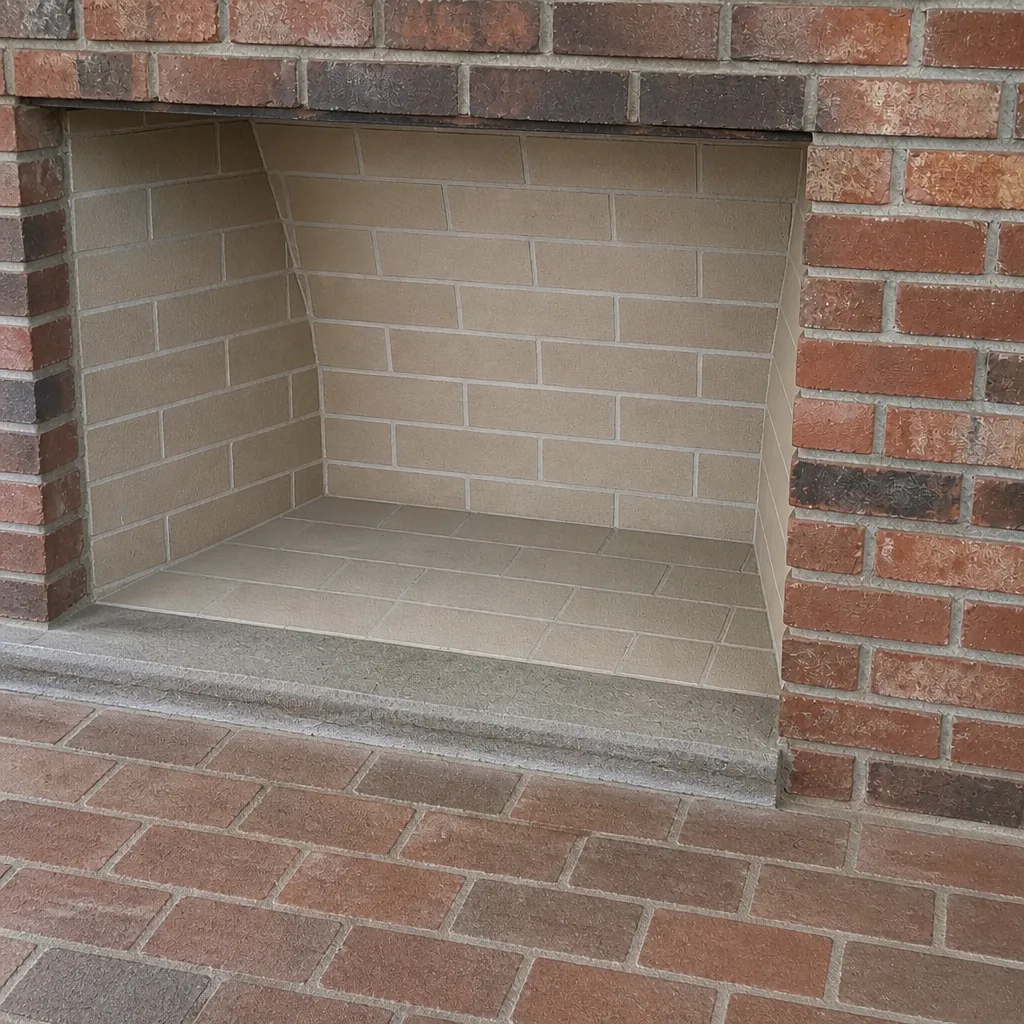
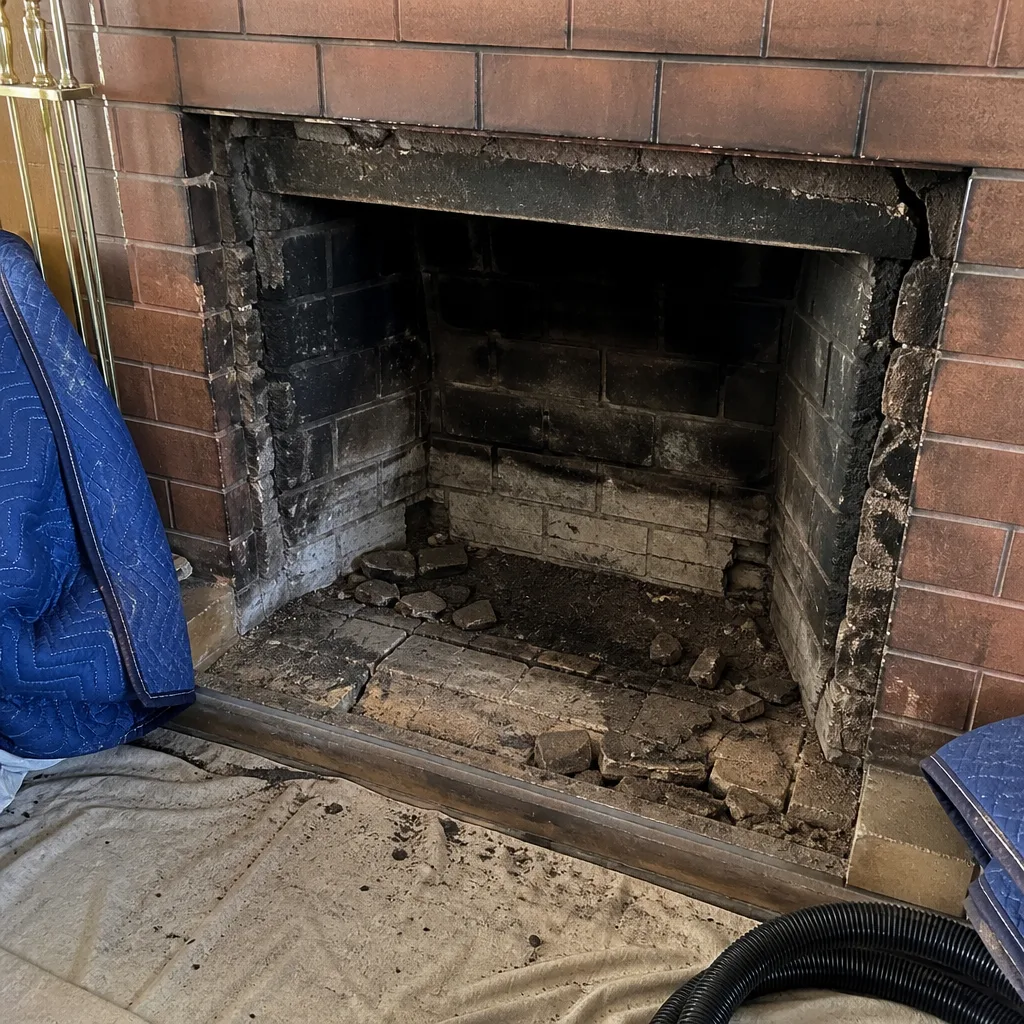
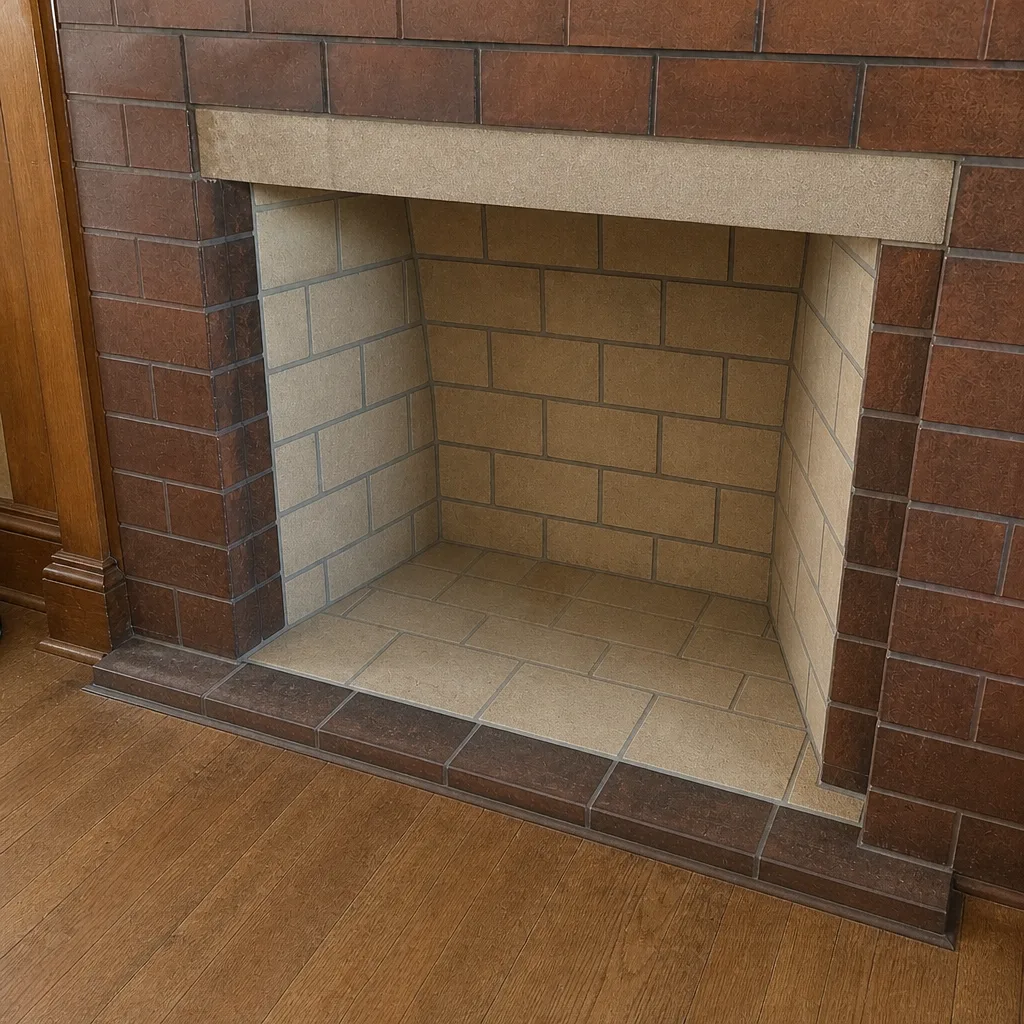
See the difference
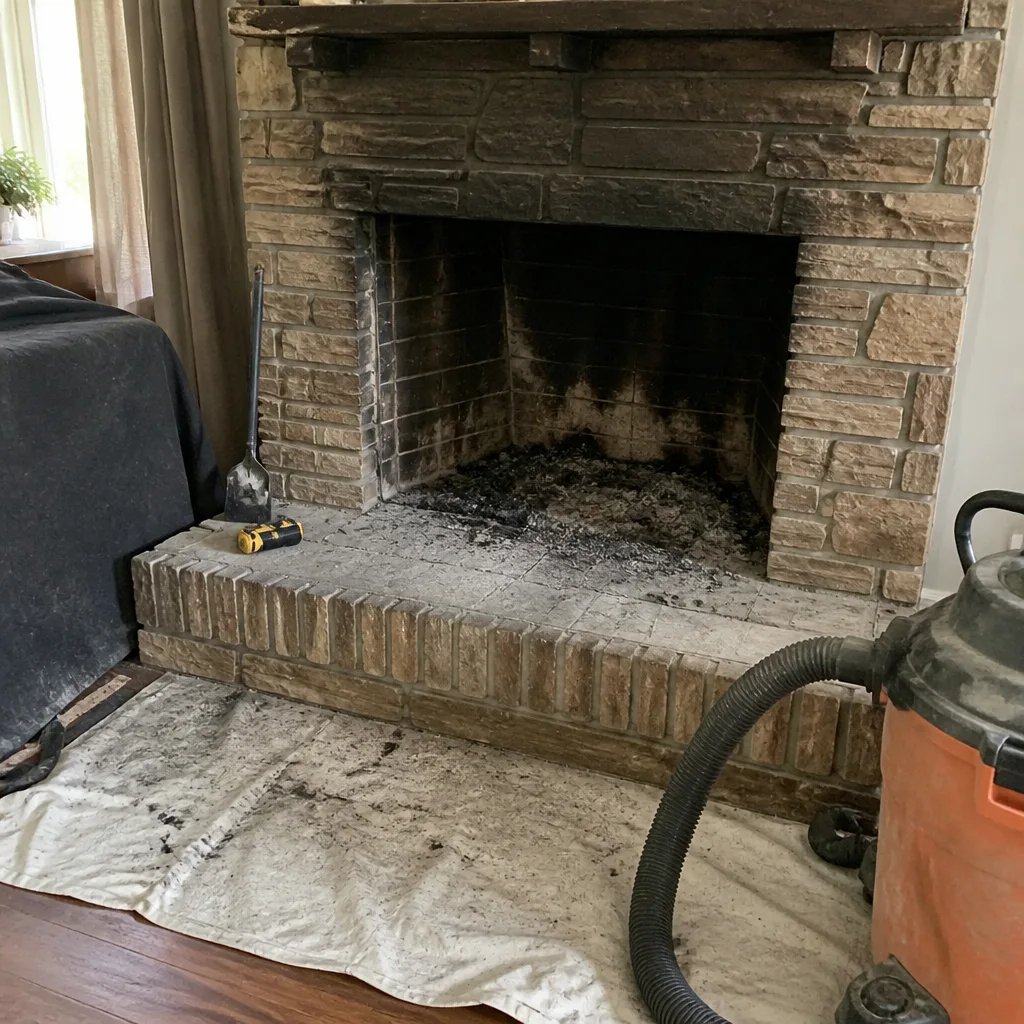 Before
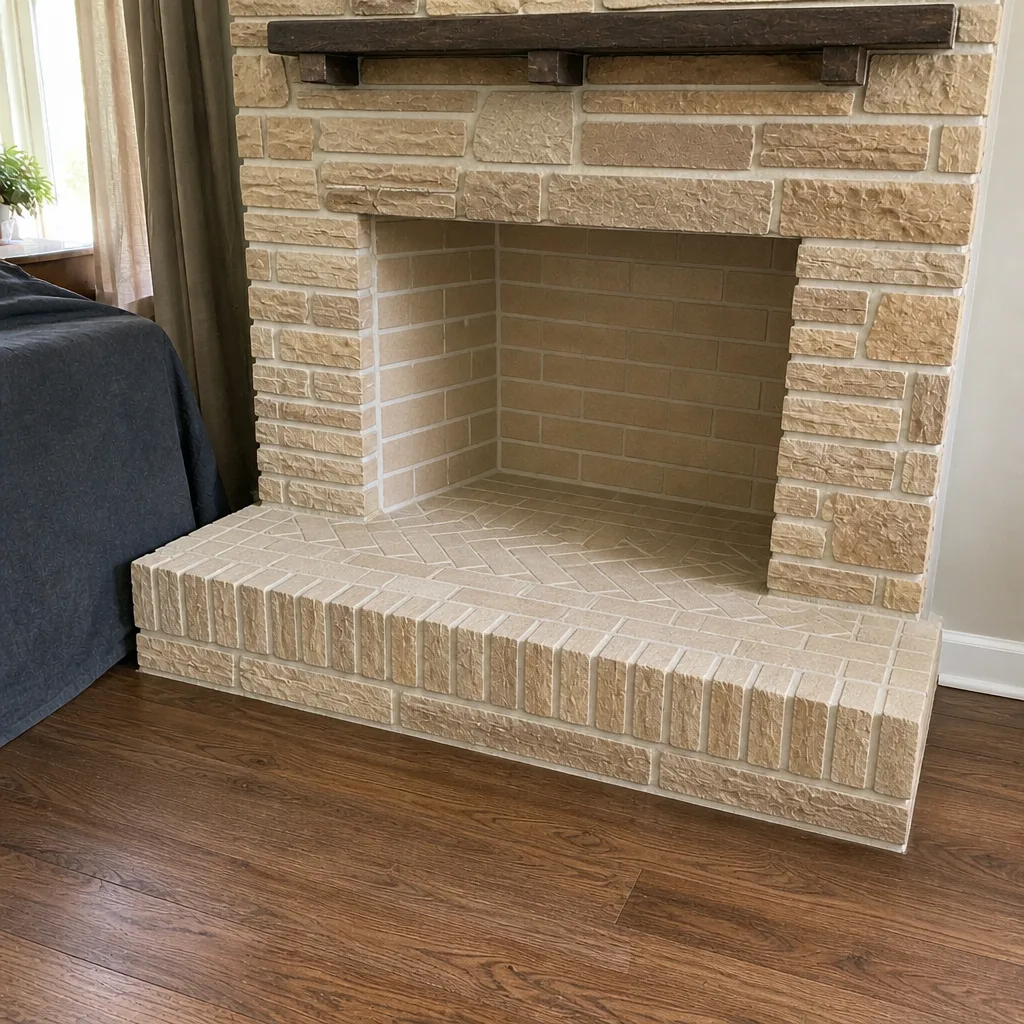 After
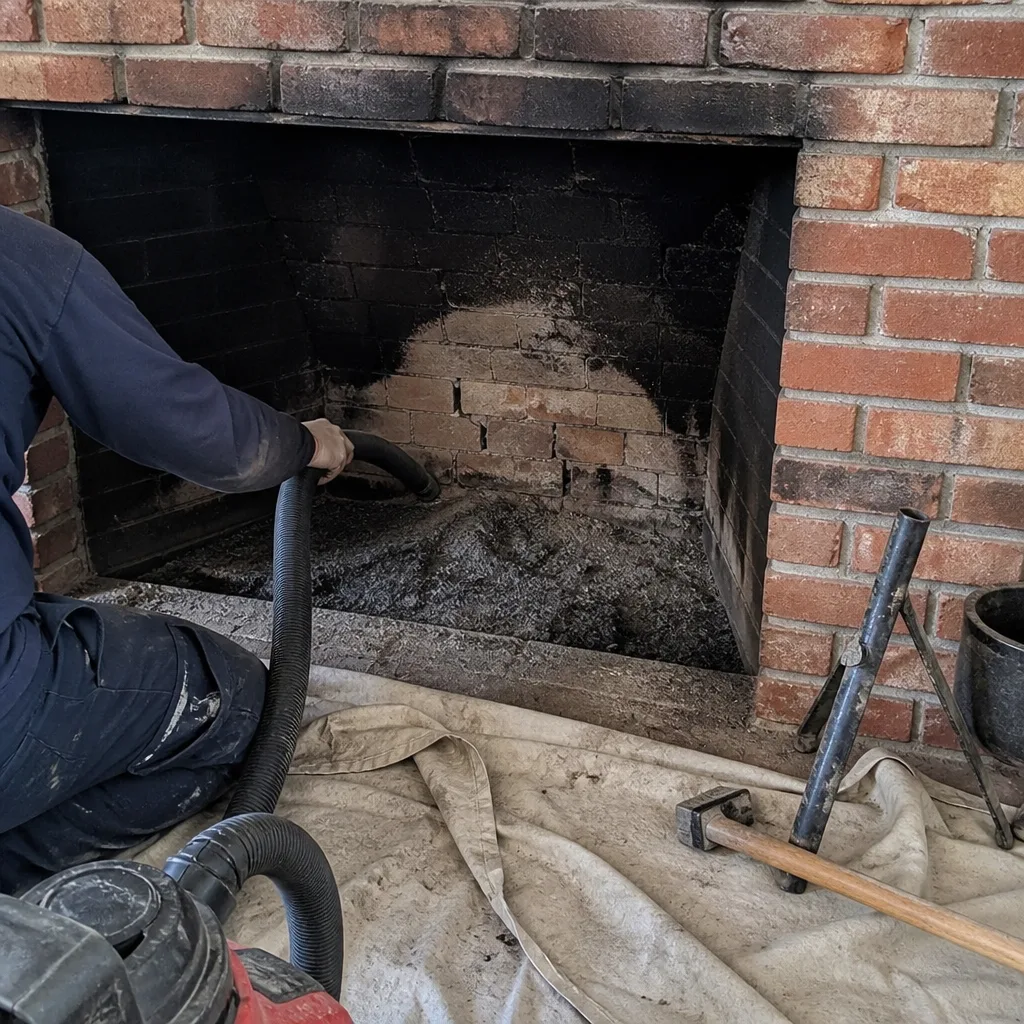 Before
 After
 Before
 After
When to Call a Professional
Some of this you can reason through yourself. Some of it you shouldn’t touch. Call us when a home purchase is on the table and you need a Level 2 inspection with photos documented before closing. Call when the fireplace smells like it’s leaking smoke into the room, when you’ve had a chimney fire of any size, or when the masonry at the top of the chimney has visible cracks or loose mortar. Call when you’re planning a wood or gas insert, because the liner and clearance questions are where the permit requirement usually lands. And call when a contractor has told you a repair needs thousands of dollars of liner and masonry work that you have no way to verify – we’ll open it up, run the camera, and show you the picture before we recommend anything. If the work can safely wait until spring, we’ll tell you that too. Lakewood Chimney Sweep Co offers free estimates in Lakewood – call (866) 937-7920. We answer 24/7. Fast dispatch from 7am to 7pm, Sunday through Friday.
Frequently Asked Questions
No. A chimney sweep is routine maintenance and does not require a building permit in Lakewood. The permit question only comes up when the sweep uncovers structural or component work – a liner, a crown, a firebox repair, or an insert installation. Call (866) 937-7920 for an exact quote on a cleaning – estimates are free.
In a typical residential project the homeowner is the responsible party, and a contractor can pull the permit on the owner’s behalf. That’s an important distinction, because the liability for an unpermitted job sits with the property owner. Ask at the estimate who is pulling the permit and get it in writing. Call (866) 937-7920 to talk through your job – estimates are free.
Almost always, yes. A liner replacement changes the venting system, which is why it’s treated as construction rather than maintenance in most jurisdictions, and Lakewood’s building department is the final word. A licensed liner system such as a DuraFlex component comes with the documentation a plan reviewer will want. Call (866) 937-7920 for an exact quote on liner work – estimates are free.
A chimney inspection is a documented assessment of condition and safety, done to NFPA 211 levels and usually with a camera and photo report. A permit inspection is done by the city’s inspector, tied to a specific permit, and focused on whether the work meets code. You need both on any permitted job, and they happen at different times. Call (866) 937-7920 to schedule an inspection – estimates are free.
Once a year if you burn regularly, and more often if you use the fireplace hard through the season. Lakewood’s long burn season and dry winters mean creosote builds up quietly, and an annual sweep is also the cheapest way to catch a repair before it becomes a permit-scale job. Call (866) 937-7920 for an exact quote – estimates are free.
The buyer’s inspection can flag it and stall a closing, and the fix is usually a Level 2 inspection followed by a permit and inspection after the fact. It’s a disclosure conversation, not a deal-breaker, but it’s easier to have the paperwork before you list. Call (866) 937-7920 to get the record straight – estimates are free.
The Bottom Line
Chimney cleaning in Lakewood is maintenance and doesn’t need a permit. The liner, crown, firebox, and insert work a cleaning can uncover almost always does, and the permit is usually the homeowner’s responsibility to make sure it’s pulled. Chimney work here answers to the International Residential Code as amended locally and to NFPA 211, and the local climate – freeze-thaw cycles, altitude, wind, and a long burn season – is exactly why those standards matter. Keep your permits, keep your inspection reports, and ask the permit question before the truck arrives, not after. If a contractor can’t answer it clearly, that tells you what you need to know.
If you’re not sure where your chimney stands, we can help you find out. From the firebox to the crown, we handle the sweep, the inspection, the fireplace repair, the liner work, and the chimney cap & crown installation. One call, every chimney service, so you’re not juggling contractors. Lakewood Chimney Sweep Co is a full-service chimney specialist with five core services and a curated roster of professional-grade materials – HeatShield for ceramic liner resurfacing, DuraFlex for liner systems, Olympia Chimney and Copperfield for components, and Famco for caps. Nothing gets recommended without camera evidence you can see for yourself, and nothing gets done without an honest conversation about whether it needs a permit. Call (866) 937-7920 for a free estimate. We answer 24/7. Fast dispatch from 7am to 7pm, Sunday through Friday.
Written by the team at Lakewood Chimney Sweep Co.