
Last updated November 23, 2026
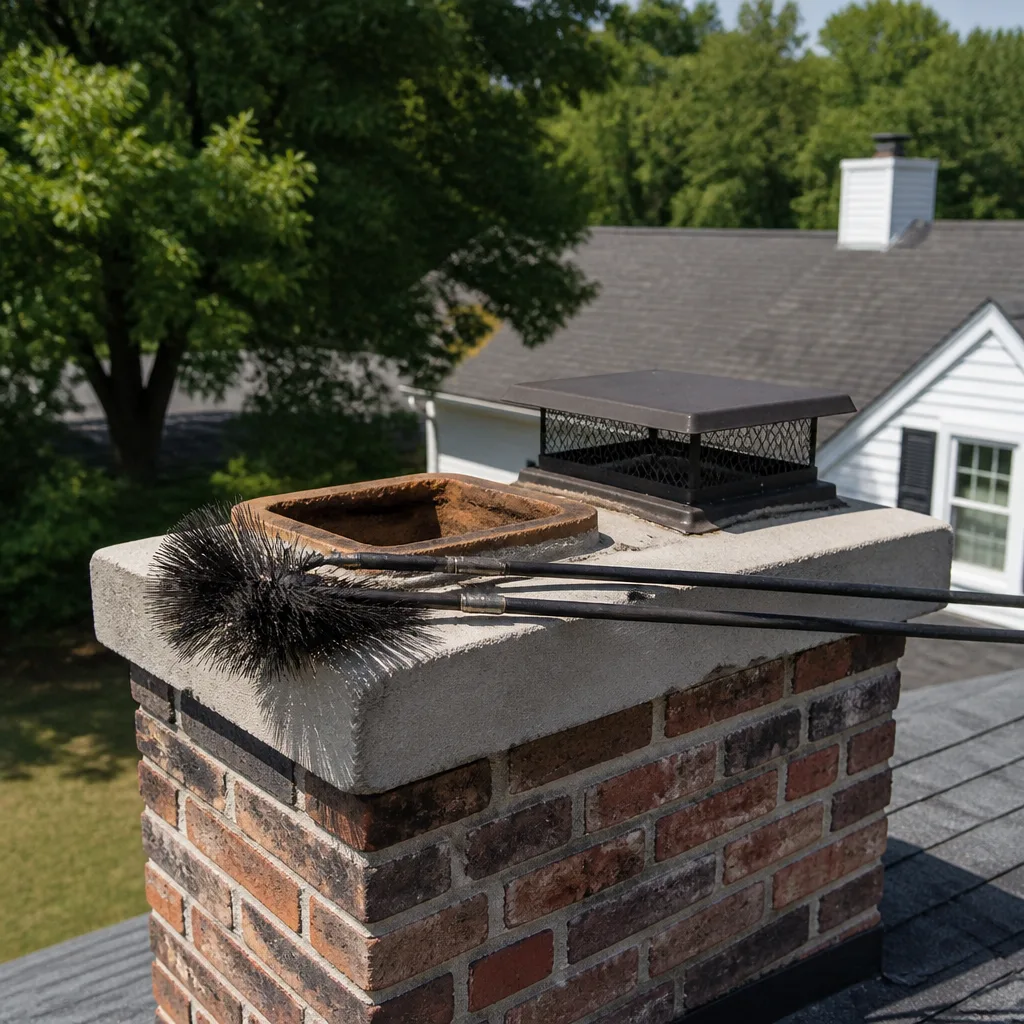 Sweep & inspection
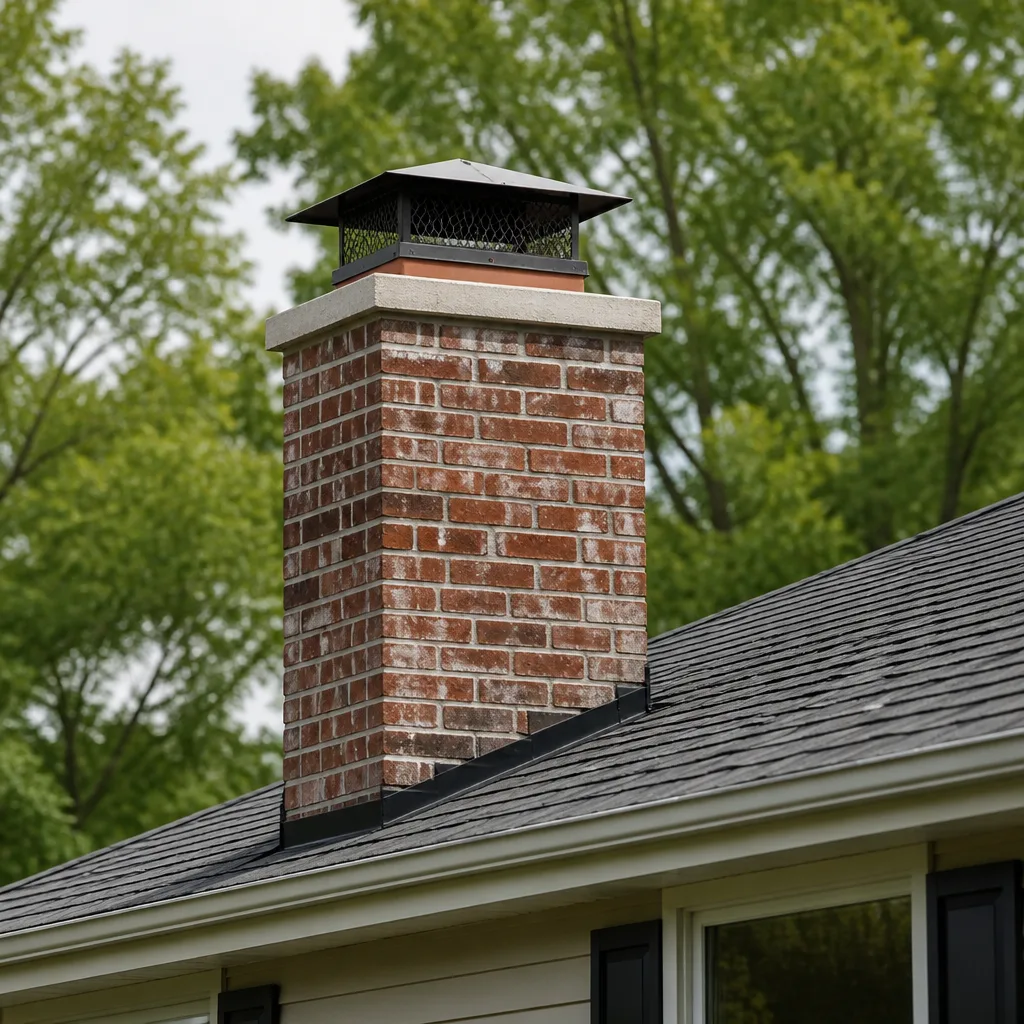 Caps & crowns
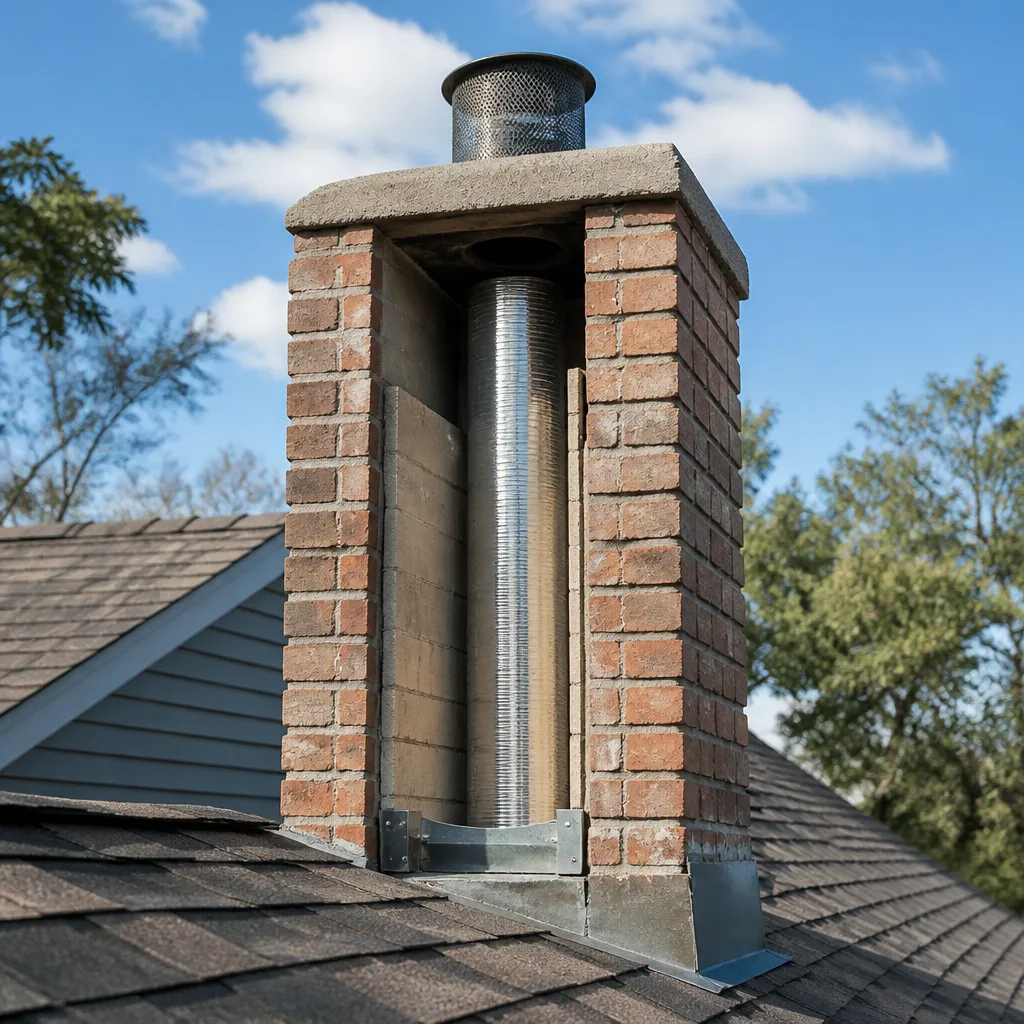 Flue relining
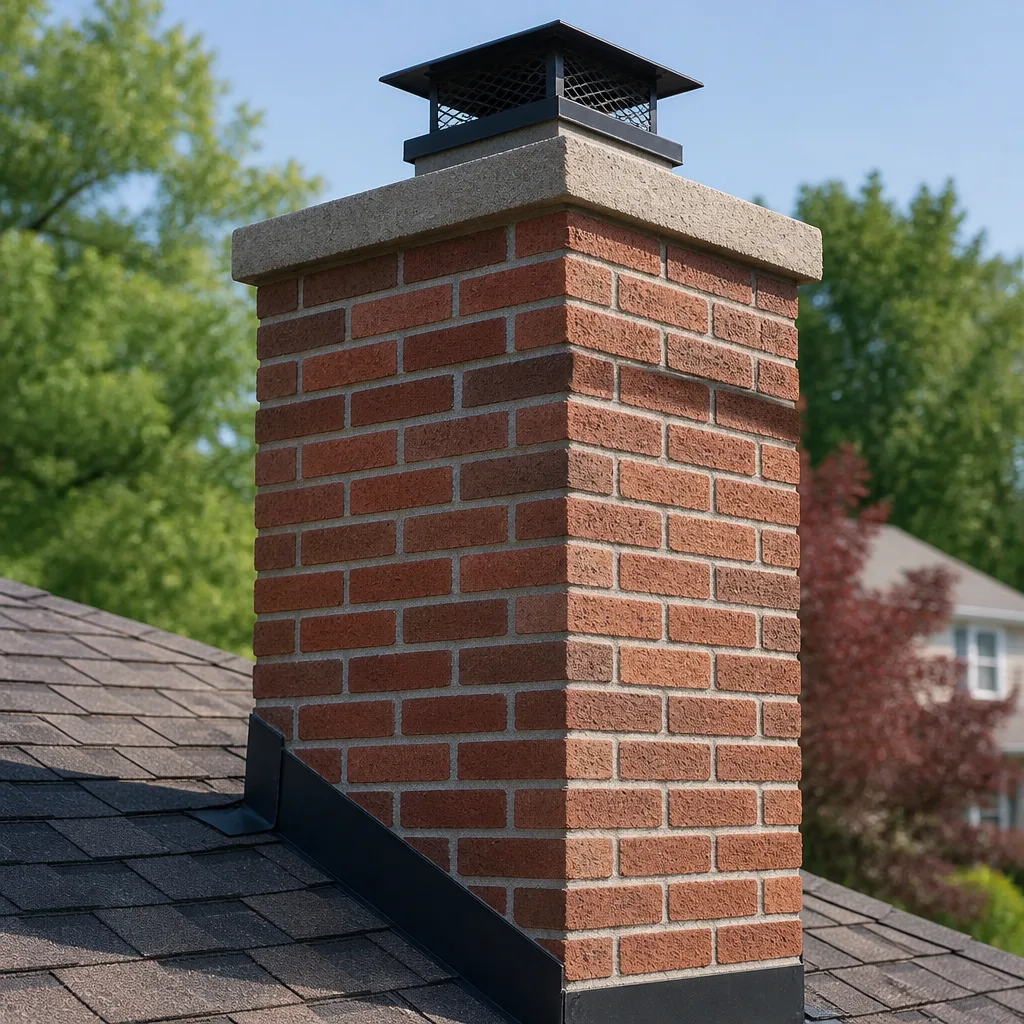 Masonry repair
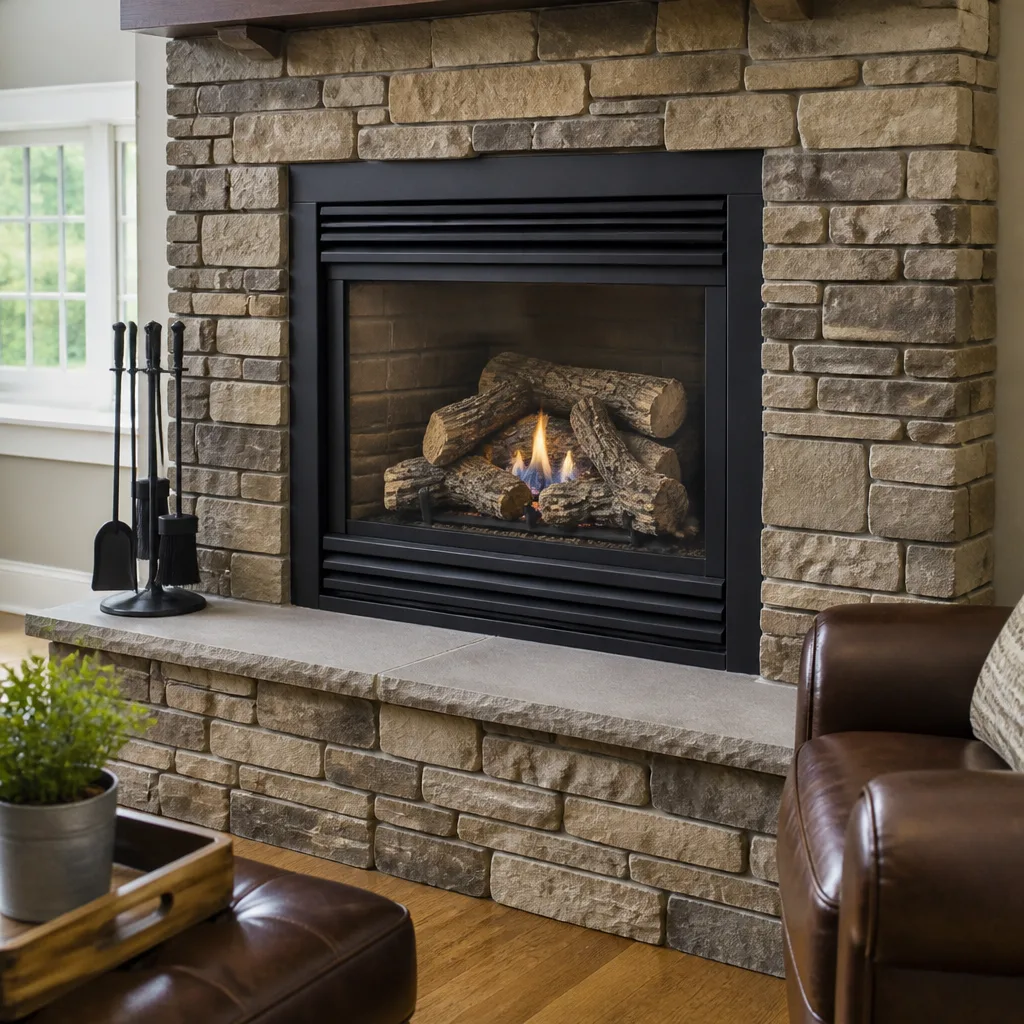 Gas fireplace service
Level 1 sweep and inspection to the NFPA 211 annual standard - flue, crown, cap, and flashing checked and photographed
Chimney sweep logs do not sweep chimneys. They loosen some creosote - which then falls where a brush and vacuum still have to collect it.
Seasonal Chimney Cleaning Care for Lakewood: Year-Round Homeowner’s Guide
Most homeowners treat the chimney like a car’s oil change: one annual appointment, usually in the fall, and they’re done. That one-rush approach works fine in climates that hold steady. Lakewood doesn’t hold steady. We get more than 300 days of sunshine a year, which sounds chimney-friendly until you notice what that sun does to a chimney crown. UV exposure bakes the top of the structure day after day, and the rapid temperature swings that follow break it down faster here than in cloudy, steady climates. Then snowmelt refreezes overnight and works its way into every small crack. One fall sweep can’t catch that cycle. This guide assigns specific chimney tasks to each Colorado season, so you know what to check and when.
Quick Answer
Chimney care in Lakewood works best as a seasonal rhythm rather than one annual sweep. Spring is the window for catching freeze-thaw damage to mortar, crowns and flashing before it spreads. Summer is when you check the flue cap and spark arrestor against wildfire smoke and dry lightning season. Fall is the correct time to sweep before the first fire, and mid-winter is when active burners should run a quick inspection of what’s developing inside the flue. Two targeted inspections a year, timed to the season, catch more than a single rushed annual visit.
Styles & brands we work with
- Sweep & inspection
- Caps & crowns
- Flue relining
- Masonry repair
- Gas fireplace service
Table of Contents
- Why Lakewood’s Seasons Change What Your Chimney Is At Risk For
- Spring: Catching Freeze-Thaw Damage Before It Escalates
- Summer: Flue Caps, Spark Arrestors and Wildfire Season
- Fall: The Right Window for Your Sweep Before First Fire
- Winter: Mid-Season Checks for Active Wood Burners
- How to Coordinate Two Targeted Inspections a Year
- The Lakewood Chimney Care Calendar at a Glance
- From the Firebox to the Crown: Thinking About the Whole System
Why Lakewood’s Seasons Change What Your Chimney Is At Risk For
A chimney isn’t a static object that wears down at a steady rate. It reacts to weather. In Lakewood, that means four distinct stressors cycling through the year, and each one attacks a different part of the system. That’s the case for seasonal care instead of a single annual sweep.
Here’s what’s actually happening up there across the year:
- Freeze-thaw cycles push water into hairline cracks in mortar and crowns, then expand when temperatures drop below freezing overnight. This is the dominant masonry threat in our climate, and it does most of its damage in late winter and early spring.
- High-altitude sun breaks down the sealants and crown coatings that protect the top of the structure. The Front Range sits high enough that UV intensity is stronger than most homeowners expect from a “sunny” climate.
- Wildfire smoke and dry lightning arrive in summer and put a specific load on the flue cap and the spark arrestor mesh. Smoke deposits creosote-like residue even when you’re not burning, and dry lightning is a real ignition source for a neglected cap assembly.
- Burning season from fall through spring loads the flue with creosote and, in a gas fireplace, with condensation that can attack the liner from the inside.
Each of those has a different best time to address it. Miss the spring window on masonry and you’re looking at repointing instead of a small mortar repair. Miss the summer check on your cap and you find out about a cracked crown when water is already inside. Treat the year as four maintenance windows and the work stays small.
There’s a second reason this matters in Lakewood specifically. Housing stock here spans a wide range: mid-century brick ranches in neighborhoods like Eiber and Lasley, newer construction out toward Green Mountain and Belmar, and older homes near the Lakewood Country Club area with original masonry chimneys. Older brick absorbs water differently than newer construction, and original mortar from decades-old builds is more vulnerable to freeze-thaw than a modern repoint. The age of the house tells you which season’s problem to watch most closely.
Spring: Catching Freeze-Thaw Damage Before It Escalates
Spring is when the damage from a Lakewood winter becomes visible, and it’s the best window to catch it while it’s still small. As the last snow melts off the roof, water that seeped into mortar joints over the winter refreezes overnight and expands, then thaws and contracts the next day. That cycle is what turns a hairline crack into a spalled brick face. Once the surface of a brick flakes off, you can’t put it back; you can only stop the next one.
What spring inspection actually looks for:
- Spalling on the chimney stack. Look for brick faces that have flaked, popped off, or left piles of grit on the roof or in the gutter below the chimney. That grit is the surface of your masonry shedding.
- Crumbling or recessed mortar joints. If you can push a screwdriver into a joint and the mortar crumbles, it’s failed. Repointing is far cheaper than a rebuild, but it has to happen before water gets behind the brick.
- Crown cracks. The crown is the concrete cap at the very top. Any crack wider than a hairline is a path for water straight into the flue structure. Small cracks can often be sealed with a flexible crown coating; larger ones need the crown rebuilt.
- Flashing separation. The metal that seals the chimney to the roof is where a huge share of leaks start. Spring is when you can see the metal pulled away from the masonry or the roofing.
- Efflorescence. That white, chalky staining on the brick is a sign of water moving through the masonry. It’s not damage itself, but it’s a reliable early warning that water is getting in somewhere.
Why spring and not fall? Because if we find a crack in April, the masonry has a full warm season to dry out and be repaired before the next freeze. If you wait until October, you’re patching a wet chimney right before the weather that caused the problem comes back.
Spring is also the season to schedule a baseline inspection if you haven’t had one recently. A standalone inspection gives you a clear picture of the system’s condition without any other work attached, so you know exactly what you’re starting the year with. If you want the full diagnostic, a chimney inspection in spring is the foundation everything else builds on.
Summer: Flue Caps, Spark Arrestors and Wildfire Season
Most homeowners assume the off-season means the chimney can be ignored. In Lakewood, summer is when two specific components need attention: the cap and the spark arrestor. Wildfire smoke settles into the flue and cap assembly even when you’re not burning, and dry lightning during the summer storm season is a genuine ignition risk if the cap is damaged or the arrestor mesh is clogged.
The chimney cap does three jobs year-round: it keeps rain and animals out of the flue, it keeps sparks from escaping onto the roof, and it shields the crown from direct weather. A cap with a rusted-out mesh or a bent lid stops doing all three. Summer is when you can see the problem clearly and get it corrected well before heating season.
What the summer check covers:
- Cap integrity. Rust, loose fasteners, a lid that’s shifted off-center, or mesh that’s torn or sagging. Any of these means the cap is no longer sealing the top of the flue.
- Spark arrestor mesh. The mesh has to be intact and clear. Clogged mesh restricts draft; torn mesh lets embers out onto the roof.
- Bird and animal nesting. Summer is prime nesting season. A cap without a properly fitted mesh is an open invitation, and nests are both a fire hazard and a draft blocker.
- Crown and flashing in dry weather. The dry summer months are when cracks in the crown are easiest to see and easiest to seal. Sealing early means you’re not fighting water intrusion once the snow starts.
If the cap is at the end of its life, replacing it is one of the highest-return maintenance tasks on the whole system. We work with brands like Copperfield and Gelco for cap assemblies, and matching the cap to the flue size and the chimney’s crown matters more than most people realize. A cap that’s too small or poorly fitted creates its own draft problems.
For a dedicated top-of-system assessment, our chimney cap & crown service is set up specifically for this. Mid-summer is the ideal moment to book it, because the work can be done in dry, warm weather and you’ll have the whole system sealed before fall.
Fall: The Right Window for Your Sweep Before First Fire
Fall is when most homeowners schedule their sweep. That instinct is right, but the timing within fall matters more than people think. Sweep too early in September and you risk a mid-winter creosote load building up again before the heating season is over. Sweep too late in November and you’re rushing it right before you want to light the first fire, when every other homeowner in Lakewood is trying to schedule the same appointment.
The window that works best in our experience is mid-to-late October: after the first real cold snap has passed and before consistent nightly fires begin. That gives you a clean flue at the start of the burning season, and the creosote that builds up during a typical season is manageable before the next scheduled service.
What a proper fall sweep involves:
- Full flue cleaning. Brushes sized to the flue remove soot and creosote from the firebox up to the cap.
- Creosote staging assessment. Creosote in its early, flaky form is easy to remove. The glazed, tar-like stage is a fire hazard and needs different handling. Knowing which stage you’re at tells you how much the flue is loading up.
- Firebox and damper check. The damper should open and close fully. A stuck damper is a draft problem and a smoke problem.
- Basic visual inspection of the flue and masonry to flag anything that needs a closer look.
If your fireplace has been sitting idle or you’ve noticed smoke problems, fall is also the right time to schedule fireplace repair so the work is done before the first fire and not scrambling to reschedule once you’re already cold. A chimney sweep in fall should leave you with a functioning firebox, not just a cleaner flue.
One local wrinkle: because Lakewood sits at higher elevation with colder nights, the first hard frost can arrive earlier than the calendar suggests. It pays to book your sweep ahead rather than waiting for the first fire.
Winter: Mid-Season Checks for Active Wood Burners
Winter is the one season you’re using the chimney every day, and mid-season problems show up as performance issues before they become structural ones. A homeowner who runs a fire five or six nights a week is loading the flue faster than they realize, and a quick mid-season check keeps you from discovering a creosote problem only when it smokes back into the room.
What to watch for during active use:
- A weaker draft. Smoke that rolls into the room when you first light the fire, or a fire that’s sluggish to catch, often means the flue is loading up or the cap mesh is partly blocked.
- New smoky smells in the house, especially after the fire burns down. That’s often a sign of creosote buildup or a leaking flue joint.
- Visible creosote at the damper. Look up into the firebox at the top of the damper. A heavy, tar-like coating is a warning sign.
- Condensation on gas fireplaces. Gas units don’t build up creosote the same way, but they can produce condensation that attacks the liner if the venting is undersized or blocked.
- Cracked or missing firebox brick. There shouldn’t be any gaps in the firebrick or missing mortar. Firebrick protects the masonry behind it from direct heat.
A mid-winter check doesn’t have to be a full sweep. It’s a hands-on inspection of what’s developed over the season so you know whether to book a sweep before the season ends or whether the flue is fine until spring. If anything looks off, call us and we’ll walk you through what to check on the phone. The number is (866) 937-7920, and we answer 24/7.
One safety note that’s worth repeating every winter: if you ever smell gas in the house or your carbon monoxide alarm sounds, leave the house and call your gas utility immediately. Chimney work is not the first call in a gas emergency.
How to Coordinate Two Targeted Inspections a Year
The alternative to the rushed single sweep is to run the year on two targeted inspections, timed to the seasons where they catch the most. One inspection in spring after the freeze-thaw cycle; one sweep in fall before heating season. Between those two appointments, you add seasonal spot-checks you can do yourself from the ground.
Here’s how to structure the year:
- Book the spring inspection first. Do this as soon as the snow is off the roof and you can see the masonry. The goal is a written assessment of masonry, crown, flashing, and flue condition. This is the year’s baseline.
- Handle any repairs found in spring before summer. Small mortar repairs, crown sealing, and cap replacement are all warm-weather work. Do them in June and July so the system is watertight before fall.
- Do a mid-summer cap and spark arrestor check. Either from the ground with binoculars or as part of the cap and crown service. This catches anything the spring inspection flagged as borderline.
- Book the fall sweep for mid-to-late October. Clean flue, verified damper, basic visual check of the whole assembly.
- Run a mid-winter self-check. Look up into the firebox at the damper, watch for draft problems, keep an eye on the flue cap from the ground after storms.
The point of two inspections is that each one has a specific job. The spring inspection is a diagnostic; it tells you what’s degrading and why. The fall sweep is a cleaning and a readiness check. Neither one is redundant, and each answers a question the other can’t.
We’ve seen this pattern catch problems early time and again across Lakewood neighborhoods from Belmar to Applewood. Crown cracks found in April are a different conversation from crown cracks found in November. And a standalone inspection is priced as an inspection, not bundled into a sales quote for repair work you may not need.
Our technicians have up to 11 years of experience working on chimney systems across the Front Range, and the seasonal pattern is one of the most useful things we’ve learned to explain to homeowners. It’s the difference between reactive chimney care and a system that holds up.
The Lakewood Chimney Care Calendar at a Glance
Here’s the whole year as a single view. Pin it to the fridge if it helps; the point is that you have a schedule instead of an annual scramble.
- March – April: Spring inspection after snowmelt. Check for spalling brick, crumbling mortar, crown cracks, flashing separation, and efflorescence.
- May – June: Perform small masonry and crown repairs while the weather is dry. Repoint failed joints, seal cracks, rebuild the crown if needed. If you’re re-lining, this is the warm-weather window.
- July – August: Cap and spark arrestor inspection. Address nesting, damaged mesh, rust, or a misplaced cap. This is also when we’d apply HeatShield ceramic resurfacing to a worn liner, or schedule DuraFlex liner work if the diagnosis calls for it.
- Mid-to-late October: Fall sweep. Full flue cleaning, creosote staging assessment, damper check, visual inspection.
- November – February: Active burning season. Mid-season self-checks at the damper, and a call if you see new draft problems or smoky odors.
- Year-round: Ground-level visual checks of the cap and crown after windstorms or snow, especially on exposed chimneys.
The two appointments that anchor the whole calendar are the spring inspection and the fall sweep. Everything between them is small corrections and self-checks. On a healthy chimney, that’s the whole year of care. If a repair needs to happen, it slots into the warm-weather window when the work can dry out and cure properly.
From the Firebox to the Crown: Thinking About the Whole System
The reason seasonal care works is that a chimney is one system, not a stack of unrelated parts. A cracked crown lets water into the masonry; the water degrades the mortar; degraded mortar lets more water in; the water eventually reaches the flue liner and starts attacking it from the outside. Meanwhile the flue is loading up with creosote from the inside. Two separate problems, one structure, and each one makes the other worse.
That’s why we handle the whole system under one roof: sweeping, inspection, fireplace repair, chimney repair, and cap & crown work. You don’t have to call three different contractors, each with a different diagnosis, and try to reconcile them. One specialist looks at the whole chimney and tells you what’s real.
We work with professional-grade product lines because the material matters as much as the labor. Gelco and Olympia Chimney make reliable caps and components, Copperfield cap assemblies hold up to our UV exposure, Famco provides dependable flue hardware, DuraFlex liner systems give us a flexible, durable relining option, and HeatShield ceramic resurfacing is a certified process for restoring a worn liner from the inside instead of tearing it out entirely. Matching the right product to the specific repair is a big part of why chimney work lasts here.
If you want to talk through the whole plan, the place to start is Lakewood Chimney Sweep Co. We’ll look at the chimney from the firebox to the crown and give you a written estimate before any work begins, with the price set per job by that estimate. There’s no pressure and no upselling on work that can safely wait.
Common Mistakes to Avoid
- Doing one annual sweep in the fall and calling it done. The fall sweep handles the flue but doesn’t catch the masonry damage the previous winter left behind. By the time you look in October, a small crown crack has had six months to spread water into the structure.
- Sweeping too early in the season. A sweep in early September leaves the flue clean for weeks before you start burning, which doesn’t help with creosote management. The right window is closer to first fire, around mid-to-late October.
- Ignoring spalled brick as “just cosmetic.” A brick face that pops off in Lakewood is a signal of water cycling through the masonry behind it. Once the structure underneath is wet, the repair is no longer cosmetic.
- Skipping the cap and spark arrestor because it “looks fine from the ground.” Damage to mesh, fasteners, and the cap lid is often invisible from the ground. A summer inspection catches what a ground-level glance misses.
- Letting a chimney sit through wildfire season with a clogged cap. Lakewood’s summer smoke and dry lightning put specific pressure on the flue cap. Clogged mesh restricts draft and a torn mesh is an ignition risk.
- Burning through the winter without a mid-season look at the damper. Creosote accumulation is gradual; the first sign is often a sluggish draft or a smoky smell. A two-minute check at the damper catches it early.
- Patching a chimney in late fall and calling it repaired. Cold-weather masonry work can’t cure properly. Small repairs need the warm season to actually do their job.
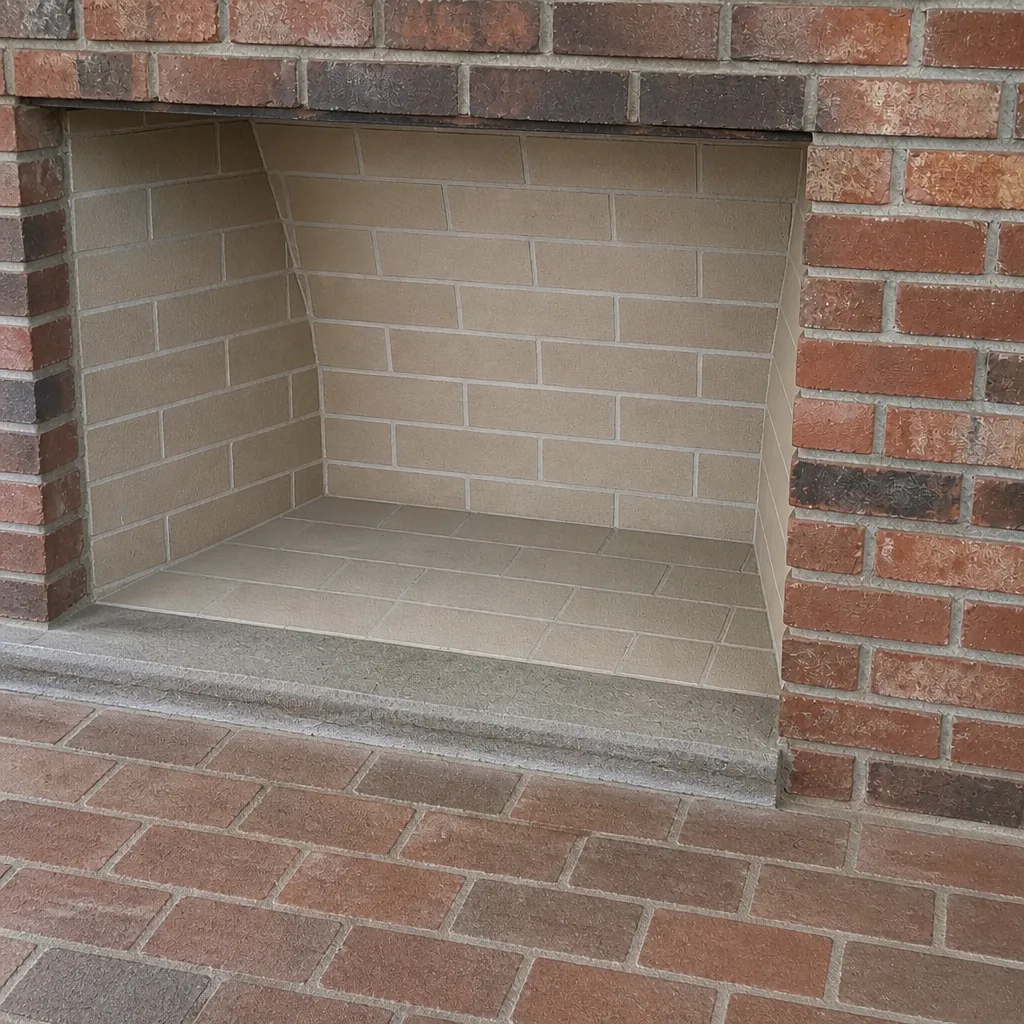
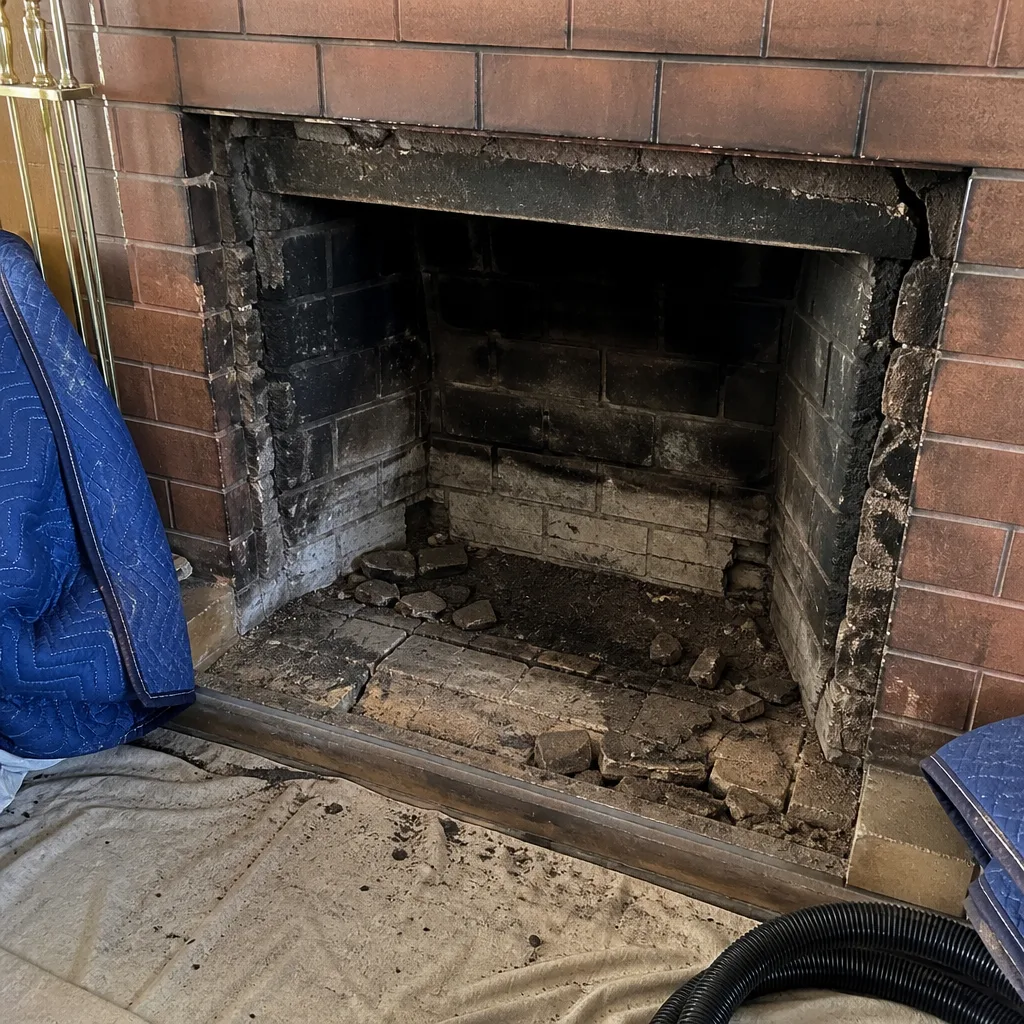
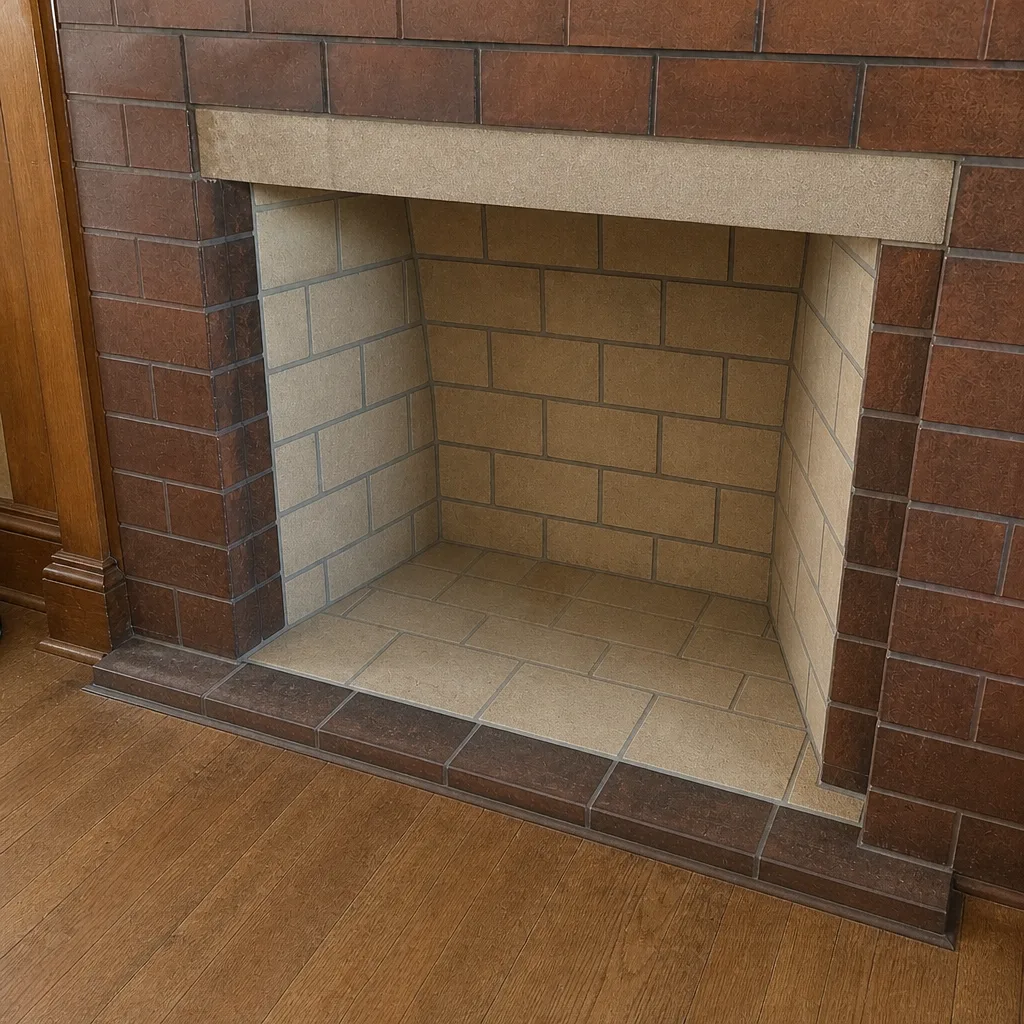
See the difference
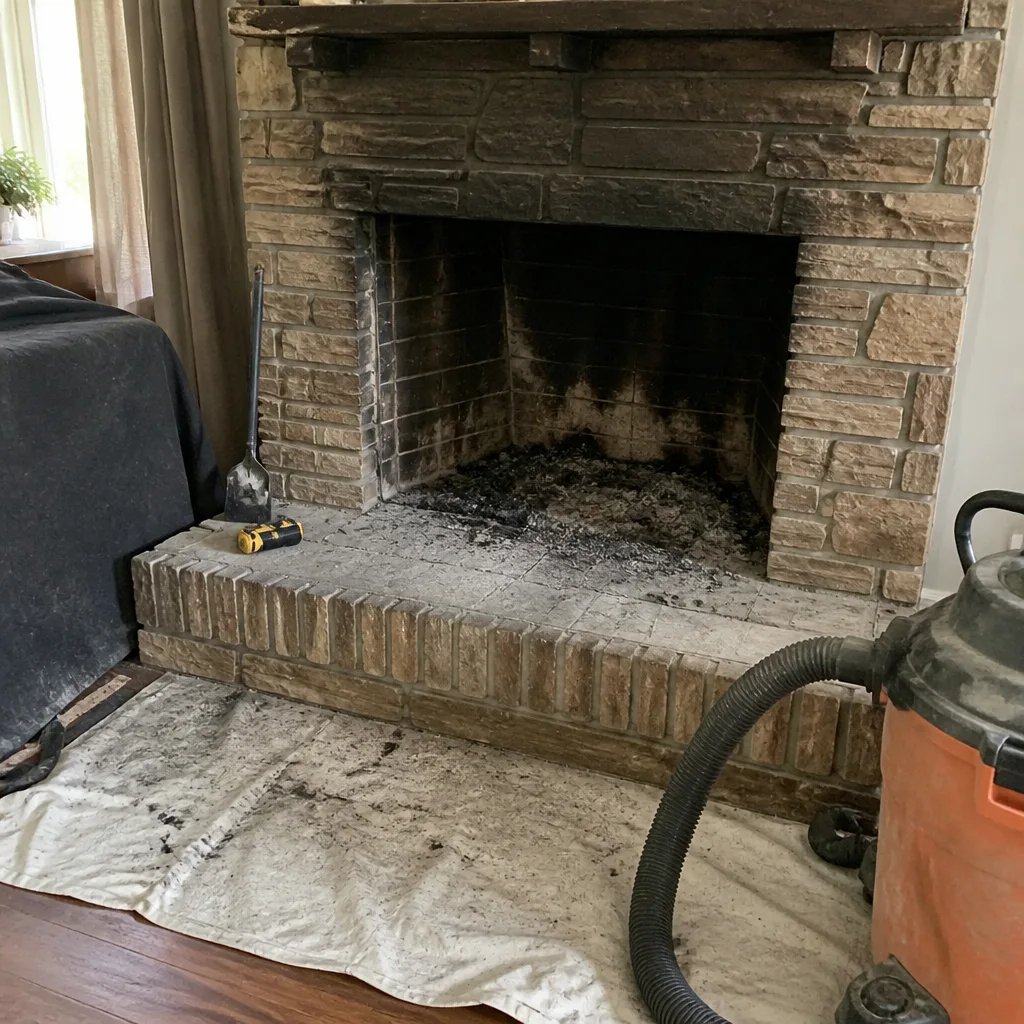 Before
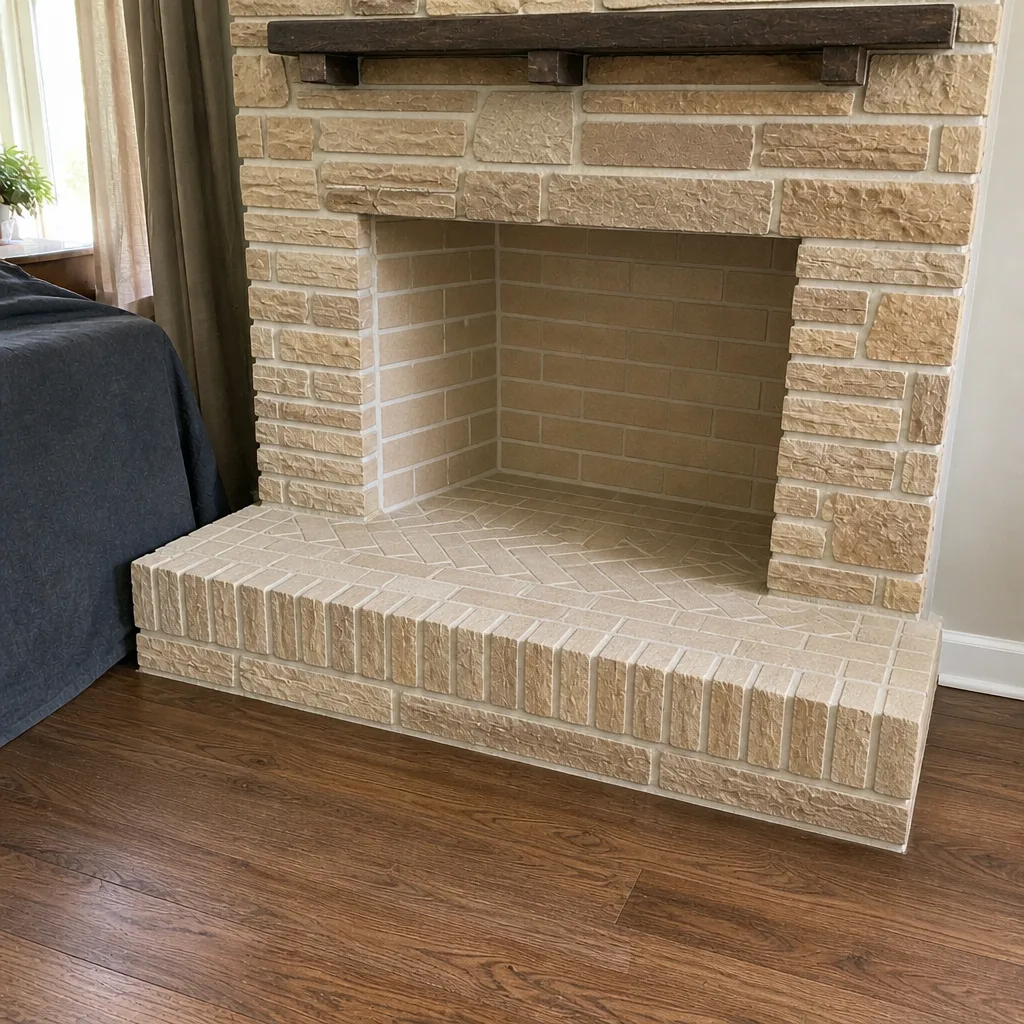 After
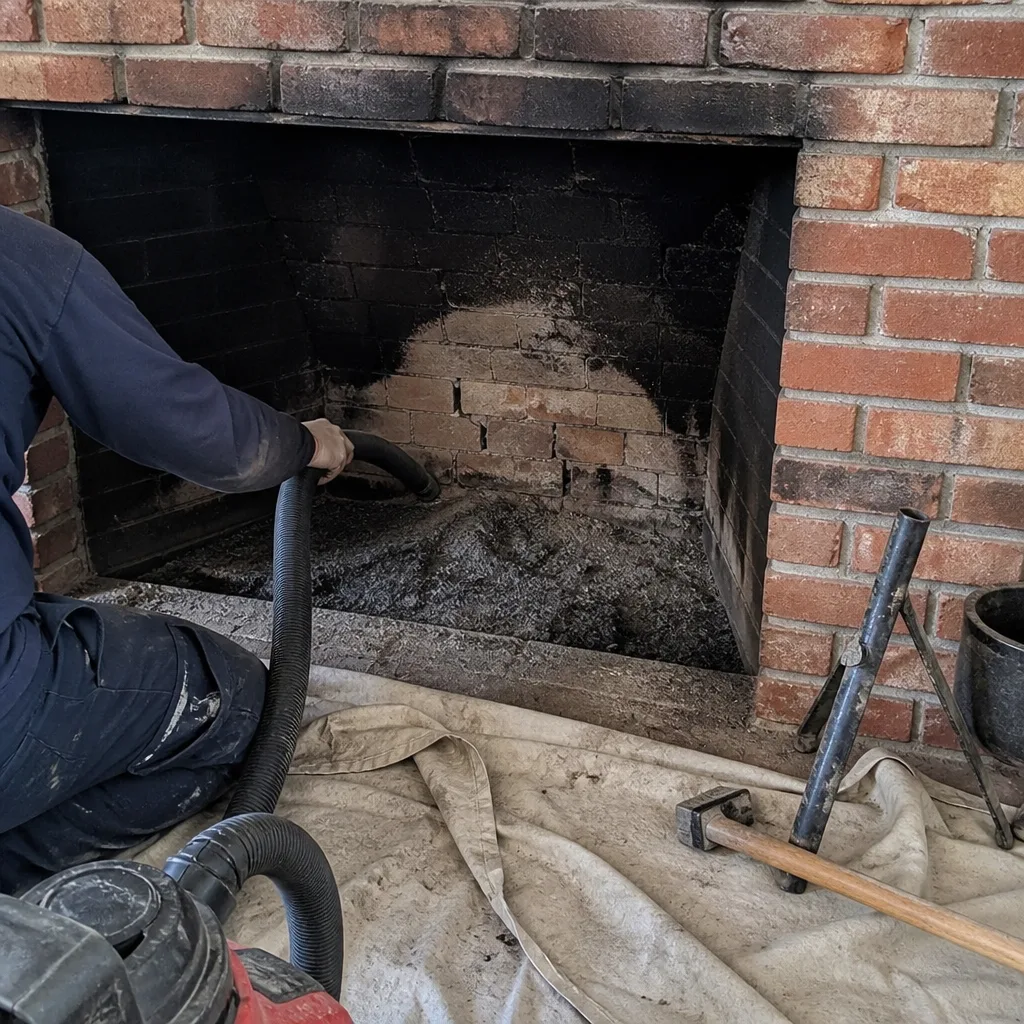 Before
 After
 Before
 After
When to Call a Professional
Some seasonal checks are safe to do from the ground or from inside the firebox, but others need a trained set of eyes on the roof. Call a professional if you see spalled brick, crumbling mortar, a cracked crown, or flashing that’s pulling away from the roof. Call if you smell smoky odors in the house, notice a weaker draft, or see tar-like creosote at the damper. Call after any significant windstorm or lightning event if the cap or crown might have been affected. And never attempt high-roof work or masonry repairs on your own; the height and the structural work make this a job for trained technicians with proper equipment. Call also if it’s been more than a year since the last inspection, or if you’ve moved into a Lakewood home and don’t know the chimney’s service history. A safe chimney isn’t a luxury; it’s the job. Lakewood Chimney Sweep Co offers free estimates in Lakewood, so call (866) 937-7920 to get the spring or fall appointment on the calendar.
Frequently Asked Questions
Most wood-burning chimneys in Lakewood should be swept once a year, timed for mid-to-late October before the heating season begins. Heavier burners or homeowners who burn green wood should consider a mid-season check as well, and a spring inspection catches masonry damage that a fall sweep won’t.
A spring inspection catches freeze-thaw damage: spalled brick faces, crumbling mortar joints, crown cracks, and flashing separation. Those are the issues Lakewood winters create, and late spring is when they’re most visible and cheapest to repair, because the masonry has a full warm season to dry before the next freeze.
Because Lakewood’s wildfire smoke and dry lightning season puts specific pressure on those components in summer. Summer is when damage to the cap, mesh, and mounting is easiest to see and easiest to fix in dry weather. A clogged spark arrestor or a loose cap in summer is a real ignition risk if a dry lightning strike hits.
No. One fall sweep only cleans the flue. It doesn’t catch the masonry degradation that our freeze-thaw cycle causes and doesn’t address summer-specific problems with the cap and spark arrestor. Two targeted inspections a year, timed to spring and fall, catch more with less total time spent on the system.
Sluggish draft, smoke that rolls into the room when the fire catches, a smoky smell after the fire burns down, or visible creosote at the damper. Those are signs the flue is loading up or something is blocked. We answer 24/7, so call (866) 937-7920 and we’ll walk you through what to look for.
Lakewood gets more than 300 days of sun a year, which degrades chimney crowns and flashing faster than in cloudy climates, and the mid-mountain temperature swings here drive harder freeze-thaw cycles than the plains below. The seasonal schedule stays the same, but the timing windows within each season matter more.
The Bottom Line
Chimney care in Lakewood isn’t one annual sweep; it’s a year-round system. Spring catches freeze-thaw damage before it escalates. Summer handles the flue cap and spark arrestor ahead of wildfire and lightning season. Fall is the correct time for the sweep. Winter mid-season checks catch performance problems while they’re still small. Anchor the year with a spring inspection and a fall sweep, handle any repairs in the warm-weather window, and you’ve done the work that prevents the expensive one. A safe chimney is a schedule, not a scramble.
If you want help getting on that schedule, call (866) 937-7920 for a free estimate. We answer 24/7. Fast dispatch from 7am to 7pm, Sunday through Friday.
Written by the team at Lakewood Chimney Sweep Co.