
Last updated November 23, 2026
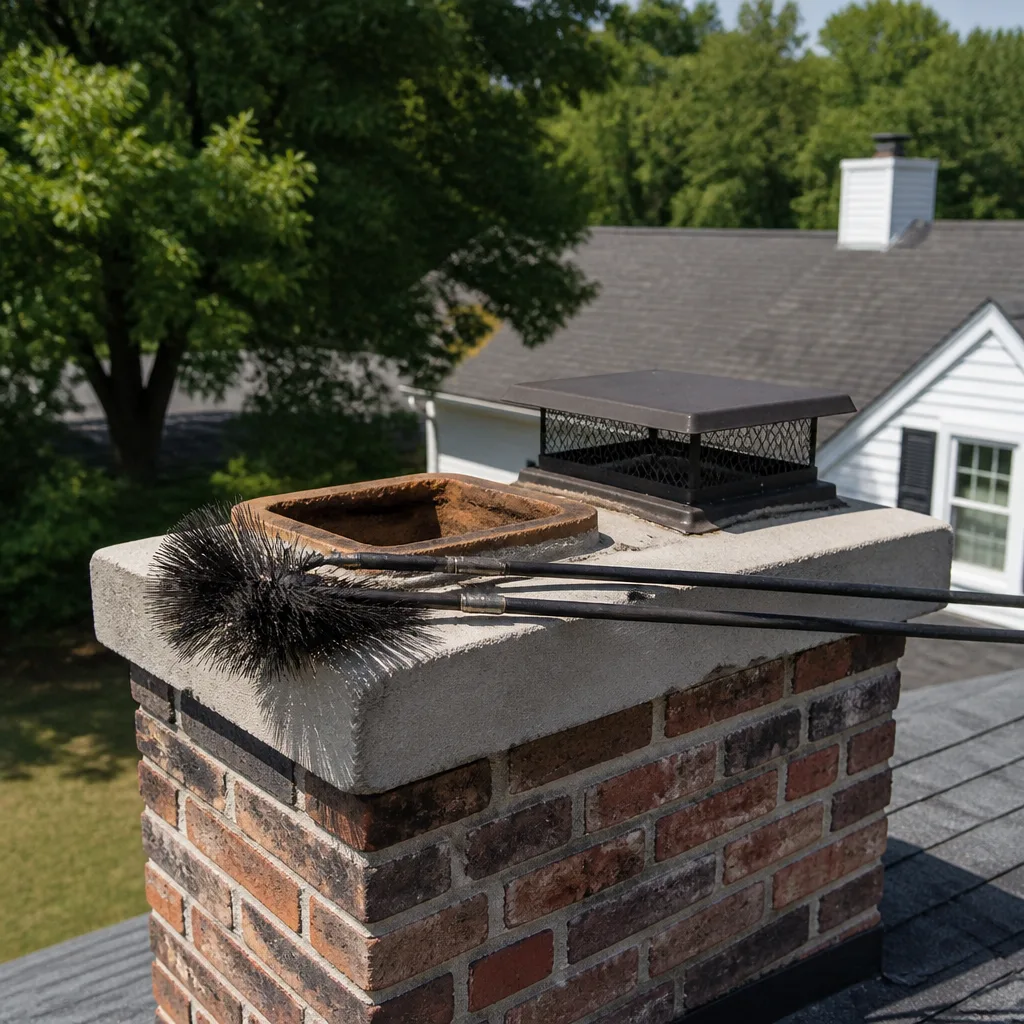 Sweep & inspection
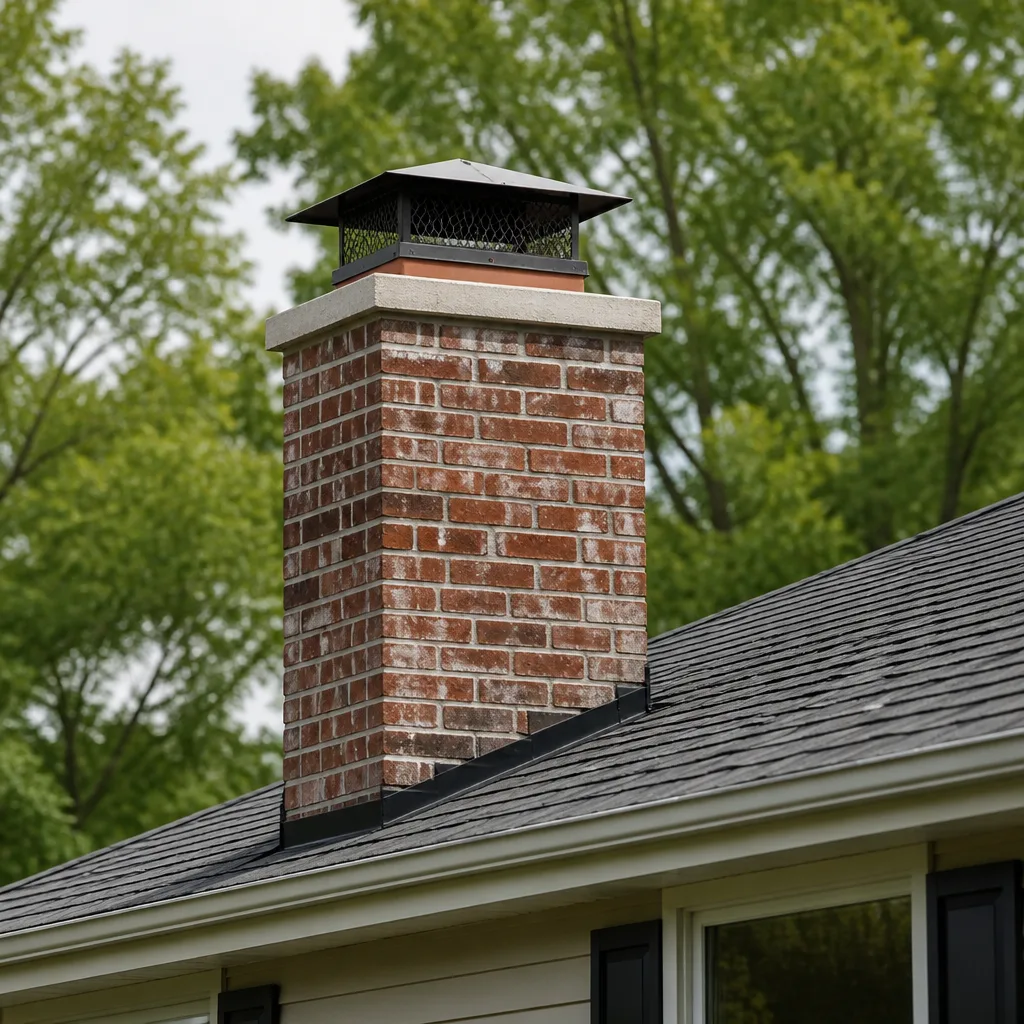 Caps & crowns
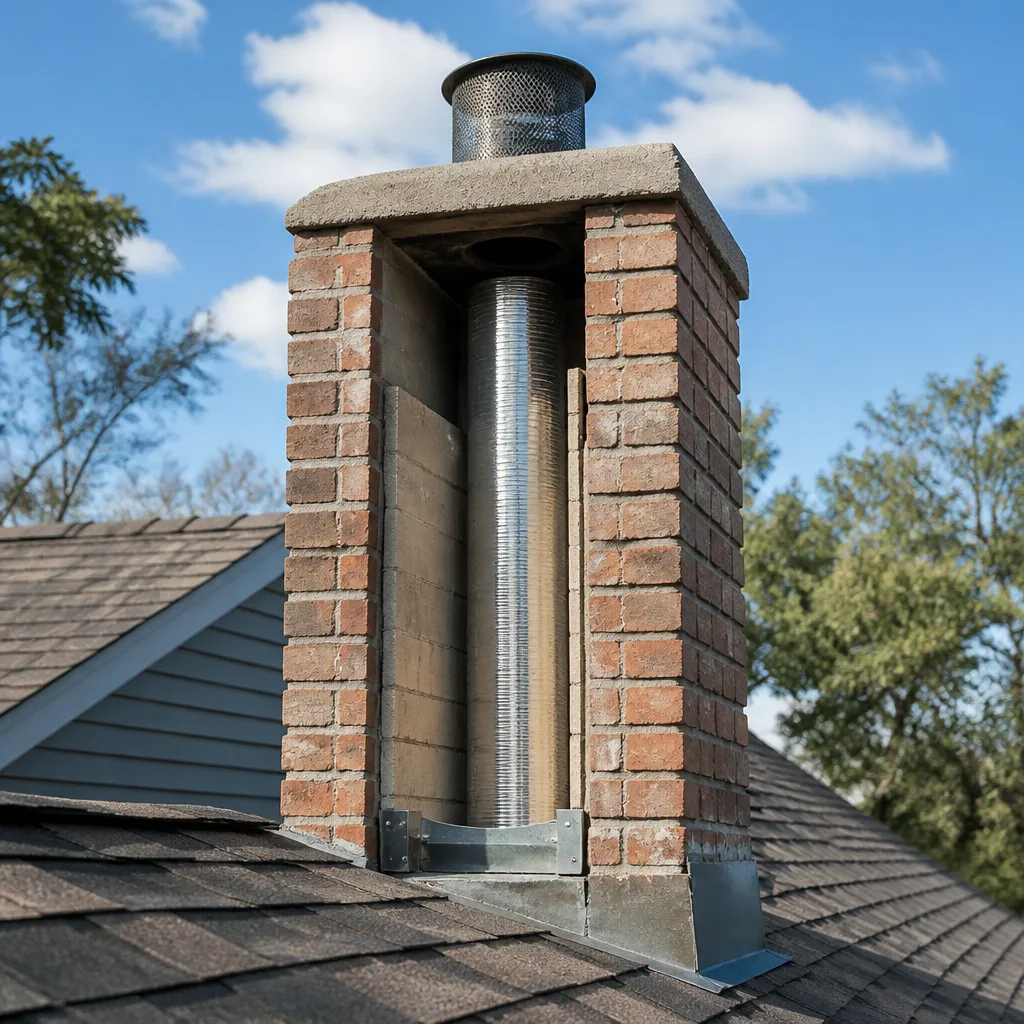 Flue relining
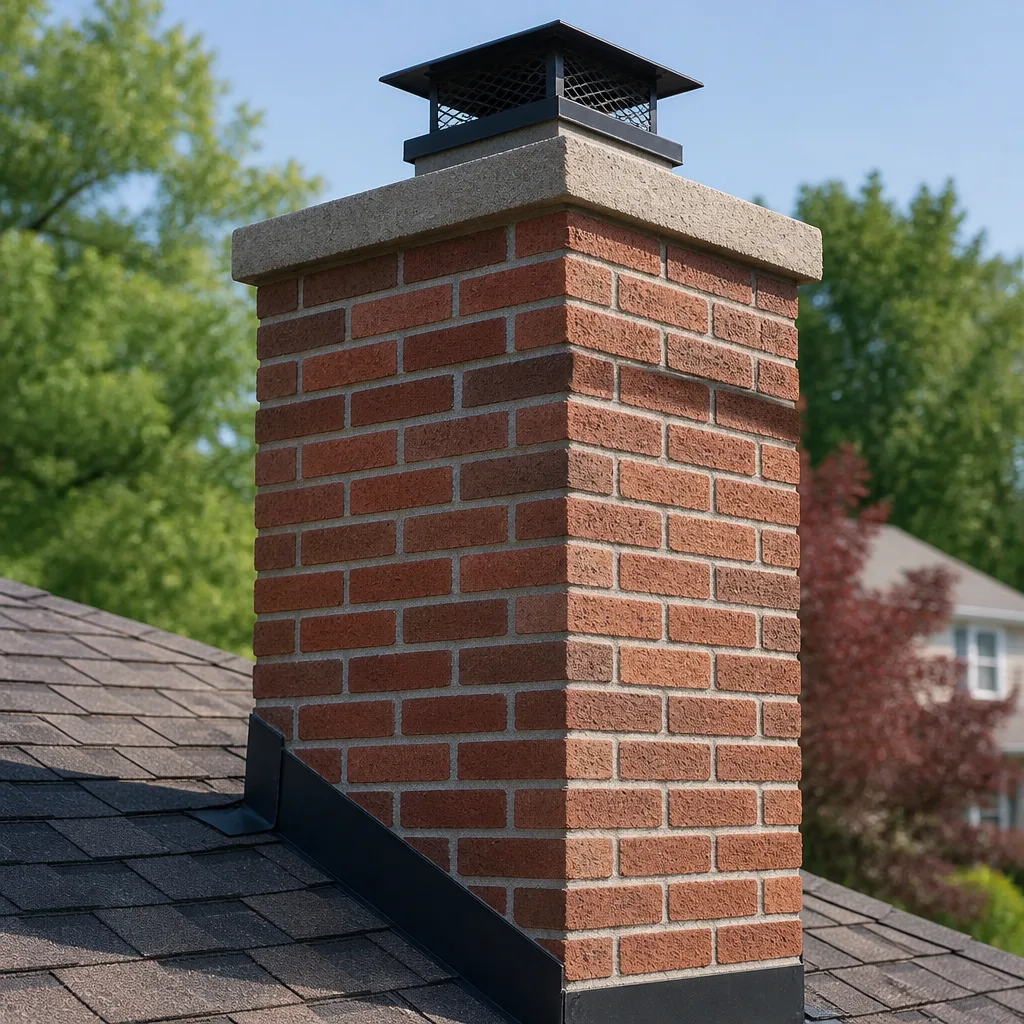 Masonry repair
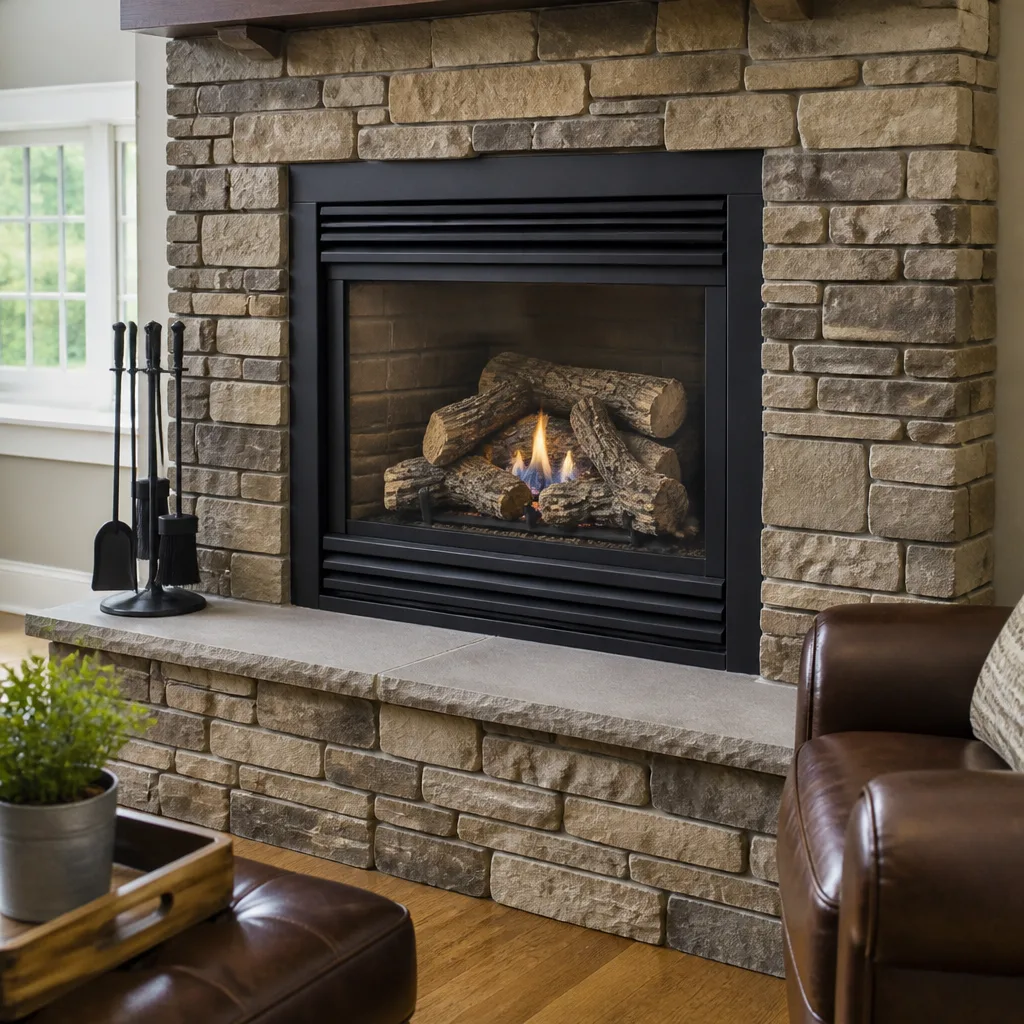 Gas fireplace service
Level 1 sweep and inspection to the NFPA 211 annual standard - flue, crown, cap, and flashing checked and photographed
Chimney sweep logs do not sweep chimneys. They loosen some creosote - which then falls where a brush and vacuum still have to collect it.
How to Hire a Chimney Cleaning Contractor in Lakewood: A Step-by-Step Guide
Colorado has no state-level chimney contractor license, which means anyone with a brush and a van can legally call themselves a chimney sweep, and in Lakewood some do. That lack of a universal license is the single fact most homeowners never learn, and it’s the reason two contractors can quote you the same rate while only one of them is actually qualified to be on your roof. The gap doesn’t show up until a liner gets brushed the wrong way or an inspection misses a cracked flue tile. This guide gives you the exact questions, credentials, and scope-of-work details to tell a true specialist apart from a generalist with a brush attachment, so the contractor you hire is the one who actually protects your home.
Quick Answer
To hire a chimney cleaning contractor in Lakewood, verify that the technician holds current CSIA certification, ask for a written scope of work that names each task and the level of inspection being performed, and confirm the company carries liability insurance and offers a camera inspection you can see for yourself. Because Colorado doesn’t license chimney contractors at the state level, CSIA certification and a clear written scope are your two strongest filters. Expect a first-time sweep and inspection to run roughly $175 to $350 depending on the chimney, and get every price in writing before anyone climbs on the roof.
Styles & brands we work with
- Sweep & inspection
- Caps & crowns
- Flue relining
- Masonry repair
- Gas fireplace service
Table of Contents
- Why Hiring a Chimney Contractor in Lakewood Is Harder Than It Looks
- What CSIA Certification Actually Means (And What It Doesn’t)
- The Five Questions to Ask Before You Book
- Why the Lowest Bid in Lakewood Is Often a Liability
- What a Real Written Scope of Work Looks Like
- Level 1, 2, and 3 Inspections: Which One You Need
- How to Verify References Against Lakewood’s Housing Stock
- What Chimney Cleaning Costs in Lakewood
Why Hiring a Chimney Contractor in Lakewood Is Harder Than It Looks
In most trades, a homeowner has a simple backstop: check the state license. Colorado doesn’t offer that backstop for chimney work. There is no statewide chimney contractor license, which means the title “chimney sweep” is essentially open, and a handyman with a rotary brush can print it on a business card the same afternoon. That’s the structural reason hiring here is harder than hiring an electrician or a plumber, where a license lookup quickly separates the qualified from the unqualified.
Lakewood adds a second layer of difficulty. The city’s housing stock spans a wide range of chimney types. Older brick homes near the established neighborhoods often have original masonry chimneys with clay tile liners that have been through decades of heating and cooling cycles. Newer construction frequently has factory-built fireplaces with metal liners that require very different tools and technique. And a growing number of Lakewood homes now run gas inserts or freestanding wood stoves, each of which demands its own inspection approach. A contractor who only knows how to sweep a standard masonry flue may not recognize what a metal liner or a stove installation actually needs.
That’s why the filters in this guide don’t rely on a license number. They rely on certification, written scope, and evidence you can see. None of those are foolproof on their own, but together they separate the specialists from the crews that are guessing. When you work with Lakewood Chimney Sweep Co, you’re working with a company that treats inspection as a diagnostic in its own right, not a sales pitch dressed up as a checkup, and that distinction matters more in a state without licensing than anywhere else. Our technicians have up to 11 years of experience across sweep, inspection, repair, fireplace repair, and cap & crown work, which is the kind of breadth that lets a single contractor cover the whole chimney system instead of sending you to three different trades.
What CSIA Certification Actually Means (And What It Doesn’t)
CSIA certification, issued by the Chimney Safety Institute of America, is the closest thing the chimney trade has to a recognized professional credential. A CSIA-certified sweep has passed a national exam covering codes, inspection standards, venting, and safety, and must recertify to stay current. It is the minimum bar you should require, and it’s a genuinely useful filter because it’s verifiable: you can look the technician up in the CSIA directory before you book.
What CSIA certification does not do is guarantee a specific outcome on your chimney. It doesn’t certify that the company carries insurance, doesn’t promise a particular scope of work, and doesn’t mean the technician who shows up is the one who was certified. Some companies advertise a certified owner and then send an uncertified helper. So treat CSIA as the entry ticket, not the whole vetting process. Ask who will actually perform the work and whether that person holds the credential.
Here’s how the credential stacks up against what else you might see:
- CSIA certification: National exam and recertification requirement. Verifiable in the CSIA directory. The minimum standard.
- Manufacturer certifications (like HeatShield application): Specific to a product or process. Signals specialized skill beyond a standard sweep-and-go company.
- State license: Colorado does not issue one for chimney work. If a company claims a state chimney license, ask for the number and verify it.
- Insurance: Liability and workers’ comp are separate from certification. Always ask for proof before work begins.
A certified specialist also tends to specify the right product for the repair rather than defaulting to whatever is cheapest at the supply house. We work with professional-grade product lines including DuraFlex liner systems and HeatShield ceramic resurfacing precisely because the right material changes the outcome on a liner restoration, and a company without that product knowledge can’t offer it. Certification is the starting line. The questions in the next section take you the rest of the way.
The Five Questions to Ask Before You Book
Five questions, asked on the phone before you schedule, will tell you most of what you need to know. The answers reveal whether you’re talking to a specialist or a generalist with a brush attachment. Write them down and ask every contractor the same list.
- Are you CSIA-certified, and will the certified technician be the one performing the work? The follow-up matters as much as the first answer. A company that hedges on who shows up is telling you something.
- What level of inspection will you perform, and will I get a camera inspection and photo report? A true specialist inspects before and after sweeping and can show you what they found on camera. A vague “we’ll take a look” is a red flag.
- What’s in your written scope of work, and can I see it before I book? The scope should name each task, the inspection level, and what’s included versus what’s a separate line. If the scope is a single line reading “cleaning and inspection,” keep looking.
- Are you insured, and can you provide proof? Liability coverage and workers’ comp protect you if something goes wrong on your roof. Ask before anyone climbs.
- Do you do repair and cap & crown work, or just sweeping? A specialist company handles the whole system, from the firebox to the crown. A sweep-only operation hands you off the moment a repair is needed.
The fifth question is often the most revealing. A company that only sweeps will find a cracked crown, tell you about it, and hand you a phone number for someone else. A full-service specialist connects the cleaning, the inspection, any fireplace repair, and the chimney cap & crown work under one contractor, which means one warranty, one point of accountability, and no finger-pointing between trades. That single-contractor structure is worth asking about explicitly, because it changes how the whole job gets handled.
Why the Lowest Bid in Lakewood Is Often a Liability
The cheapest quote is usually the one that does the least. In chimney work, “doing less” is dangerous because the parts of the job you can’t see are the parts that matter most. A low bid often means a fast brush-down that leaves creosote deposits at the smoke shelf and flue offsets, or an inspection that never reaches the level needed to find a cracked tile or damaged liner. The homeowner pays once for the cheap cleaning and a second time for the repair that the missed damage now requires.
Lakewood’s climate makes this sharper. Our cold winters mean a chimney runs hard through the heating season, and the freeze-thaw cycles that hit the exterior masonry damage crowns and mortar joints over time. A contractor who sweeps without checking the crown and cap is leaving the most weather-exposed part of the system unaddressed. That’s why cap and crown work is a dedicated service rather than an afterthought: it’s the preventive step that protects everything below it. Our technicians have up to 11 years of experience and have learned that the inexpensive visit usually costs more in the end, because incomplete cleaning misses the very problems that lead to unplanned repairs.
The hidden costs of a low bid include:
- Missed Level 2 triggers. A change in fuel type, a chimney fire, or a liner replacement all call for a Level 2 inspection. A cheap sweep won’t offer it, and the problem stays hidden.
- Liner damage from improper brushing. The wrong brush on a clay tile or metal liner can crack tiles or score the liner surface. Specialists match the brush to the liner.
- No camera evidence. If you can’t see what was found, you have no way to verify whether the recommended repair is real. Camera inspection and a photo report are the difference between a diagnosis and a guess.
- No warranty on the work. A low bid that skips the written scope often skips the accountability too.
None of that means the highest bid is the answer either. It means the bid is one data point among several, and the written scope is the one that actually matters. A fair price attached to a clear, named scope of work beats a low price attached to a shrug.
What a Real Written Scope of Work Looks Like
A written scope of work is the document that tells you exactly what the contractor will do, and it’s the one document to insist on before anyone books the job. A vague scope with a single line item is the easiest way for a contractor to do less than you think you’re paying for. A real scope names each task, states the inspection level, and separates what’s included from what’s a separate quote.
Here’s what a proper scope for a Lakewood chimney job should contain:
- The inspection level being performed (Level 1, 2, or 3), stated explicitly rather than implied.
- The cleaning method and the brush type matched to your liner material, not a one-size brush.
- Camera inspection and a photo report of what was found, so you can see the evidence.
- Any repair recommendations described in plain terms, with a separate price for each, so you can approve or decline individually.
- A clear statement of what’s included versus what’s an additional line item.
- The final price in writing before work begins, with the estimate setting the final price.
Our approach is to agree on a flat-price sweep before booking, include camera inspection and a photo report, and stand behind the work with a satisfaction guarantee. When a repair is recommended, the reason is on the camera for you to see. And if something can safely wait, we say so. That’s the standard to hold any contractor to, and a company that resists putting its scope in writing is telling you it would rather you didn’t know the details.
Level 1, 2, and 3 Inspections: Which One You Need
The inspection level is set by the condition of the chimney and what’s changed since the last inspection, not by the contractor’s preference. There are three levels, and knowing which one applies makes it much harder for a contractor to sell you up or skip something you need.
Level 1 Inspection
A Level 1 is the standard inspection performed at every annual sweep. It covers the readily accessible parts of the chimney and venting system, the firebox, damper, and the visible portions of the flue, without special tools. If your chimney has been swept regularly, has no known problems, and hasn’t changed in how it’s used, a Level 1 is usually appropriate.
Level 2 Inspection
A Level 2 is required in specific circumstances: after a chimney fire, when the fuel type changes (such as switching from wood to a gas insert), when the appliance or liner is replaced, or when a property changes hands. It includes everything in a Level 1 plus access to parts of the chimney that require special tools or access, including the attic and crawl spaces, and it typically includes camera inspection of the flue. This is the level where a contractor’s diagnostic ability really shows, because the problems it’s meant to find are the ones hidden behind the liner.
Level 3 Inspection
A Level 3 goes further and is only performed when a Level 1 or Level 2 has identified a serious hidden hazard that requires access to concealed parts of the chimney. It usually involves removing parts of the chimney or building. A contractor recommending a Level 3 should be able to show you the evidence from the earlier inspection that justifies it.
If a Lakewood contractor can’t explain which level applies and why, that’s your cue to ask a second one. A chimney inspection performed as a standalone service, without bundled upsell pressure, is the standard worth holding out for. Call (866) 937-7920 for an exact quote on the inspection level your chimney needs. Estimates are free, and we answer 24/7.
How to Verify References Against Lakewood’s Housing Stock
References are useless if they’re all for a different kind of chimney than yours. A contractor who usually works on new gas inserts may not have touched a decades-old brick chimney in Lakewood, and a company that mostly sweeps masonry may have no real experience with a metal-lined factory fireplace. Ask for references that match your home, and ask specific questions about what the work involved.
Match your reference request to your home type:
- Older brick homes: Ask for references from homes of a similar age, and ask whether the crown and mortar joints were assessed. Lakewood’s freeze-thaw cycles are hard on exterior masonry, and a contractor who doesn’t talk about crowns hasn’t worked these homes.
- Gas inserts: Ask how many gas insert installations the company has inspected, and whether they can access the liner and venting for a gas appliance. This is a different skill set from wood-burning work.
- Wood stoves: Ask whether they’ve inspected freestanding stoves and can check the stovepipe and clearances. A sweep-only contractor may not know the clearances that matter.
- Any chimney with a liner repair: Ask specifically about liner restoration and whether the company uses a recognized product system. HeatShield ceramic resurfacing capability, for example, signals specialized skill that most sweep-and-go companies don’t offer.
Then verify what you’re told. A reference you can call, a photo report of past work, and a clear answer on what the company actually does all add up. If the references don’t match your home’s chimney type, ask why, and don’t be satisfied with a vague answer. Call (866) 937-7920 to ask about a reference that matches your Lakewood home. We answer 24/7, and fast dispatch runs from 7am to 7pm, Sunday through Friday.
What Chimney Cleaning Costs in Lakewood
Chimney cleaning in Lakewood typically runs $175 to $350 for a standard sweep and Level 1 inspection, with the price depending on the chimney’s condition, access, and whether a camera inspection is included. Repairs, liner restoration, and cap and crown work are quoted separately per job. Every price should be written down before the work begins, and the written estimate sets the final price.
Here’s how the typical costs break down by line item:
- Standard sweep and Level 1 inspection: typically $175 to $350.
- Level 2 inspection with camera: quoted per job based on access and chimney configuration.
- Chimney cap and crown installation: quoted per job based on chimney size and material.
- Liner restoration (such as HeatShield ceramic resurfacing): quoted per job after inspection.
- Fireplace repair: quoted per job after the problem is diagnosed on camera.
We keep the estimate free and set the price per job by the written estimate, so you know the number before anyone climbs on the roof. We don’t take a low bid and make it up elsewhere. If a repair can safely wait, we tell you, and if a problem needs to be addressed before the next heating season, we say that too. Call (866) 937-7920 for an exact quote. Estimates are free. We answer 24/7, with fast dispatch from 7am to 7pm, Sunday through Friday.
Common Mistakes to Avoid
- Hiring on price alone. The lowest bid in Lakewood is often the one that does the least, misses a Level 2 trigger, or skips the camera inspection that would have caught the real problem. Compare scopes, not just numbers.
- Assuming a state license exists. Colorado doesn’t issue a chimney contractor license, so a claim of one should be verified before you book. Ask for the number and check it.
- Skipping the written scope. A single line item reading “cleaning and inspection” is the easiest way for a contractor to do less than you’re paying for. Insist on a named scope with the inspection level stated.
- Not asking who performs the work. A company that advertises a CSIA-certified owner may send an uncertified helper. Ask who will actually be on your roof.
- Overlooking the crown and cap. Lakewood’s freeze-thaw cycles damage crowns and mortar joints, and a sweep that doesn’t check the top of the chimney leaves the most weather-exposed part unaddressed.
- Calling a handyman instead of a specialist. A generalist with a brush attachment may do more harm than good on a liner, and won’t handle chimney sweep work with the right tools or the right scope.
- Getting a repair quote without camera evidence. If you can’t see what was found, you can’t verify whether the repair is real. Camera inspection and a photo report should come standard.
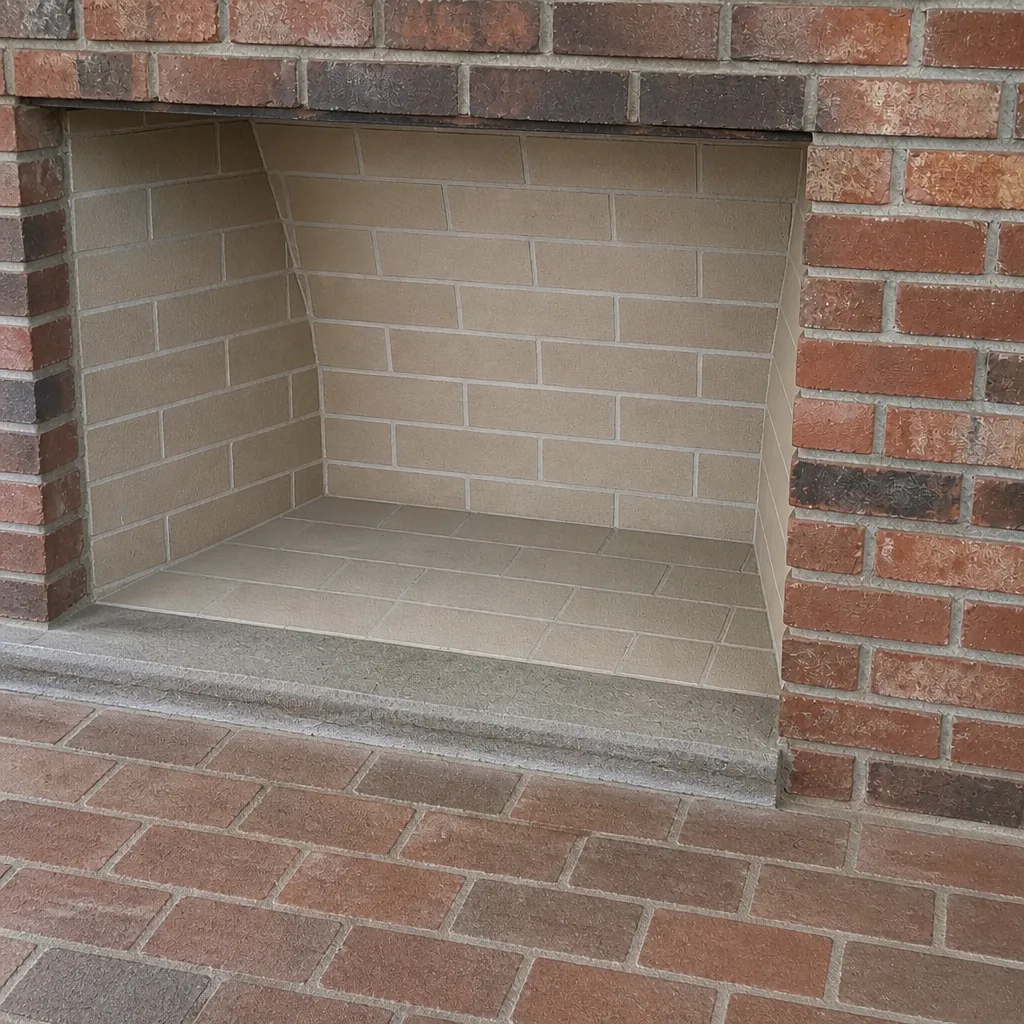
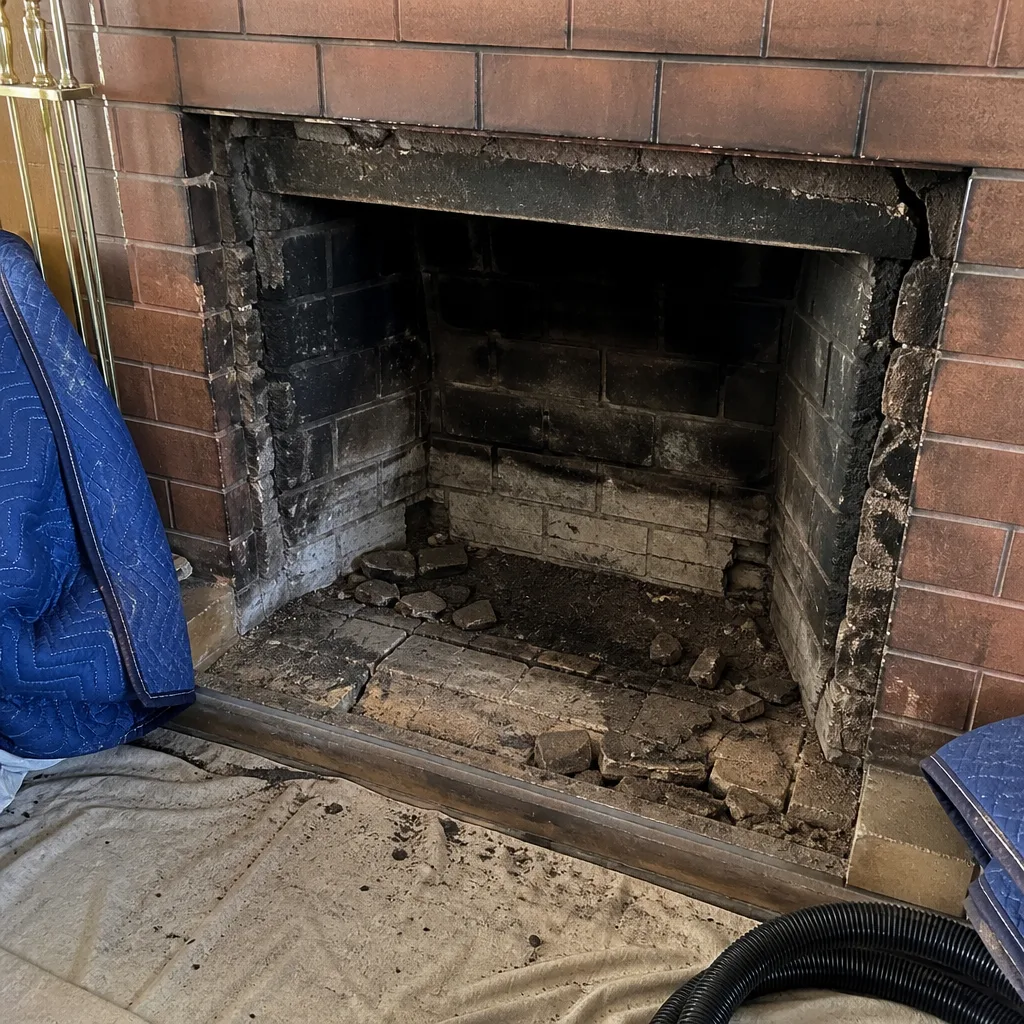
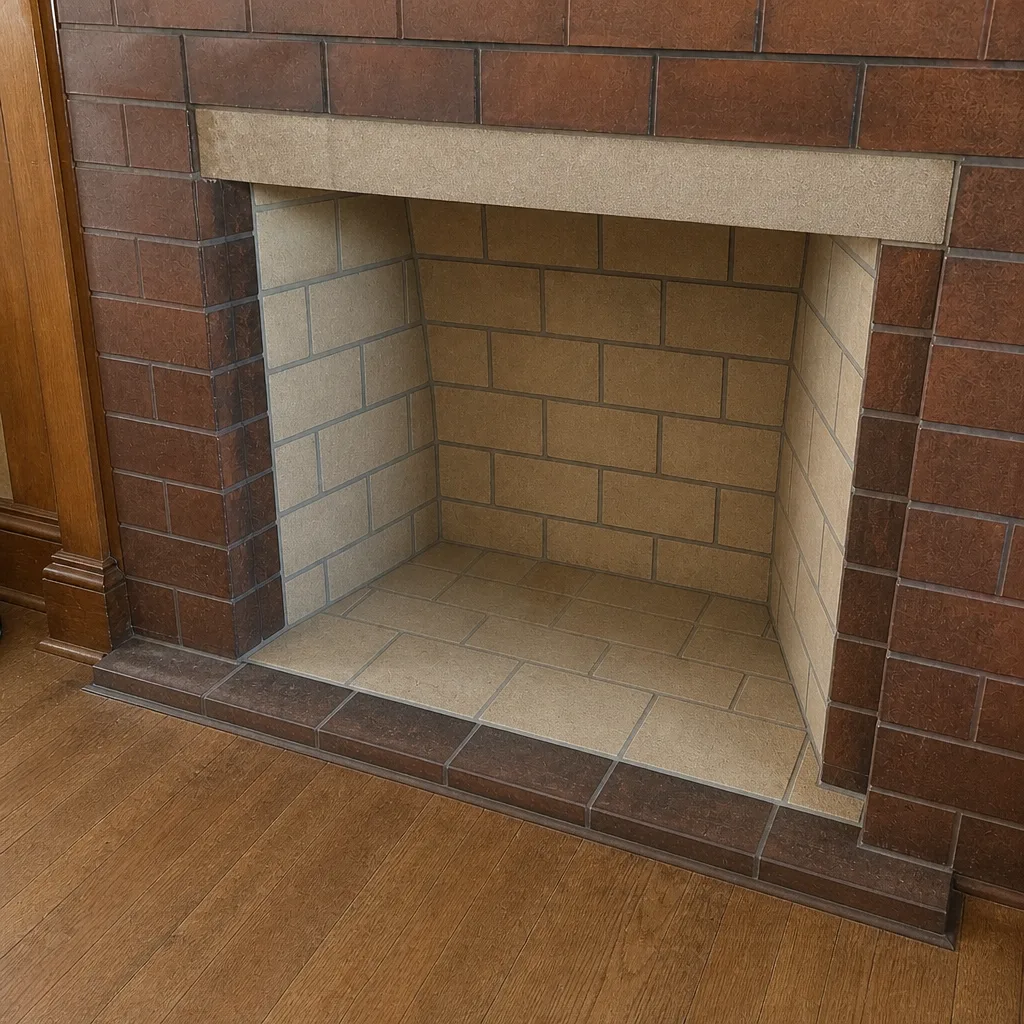
See the difference
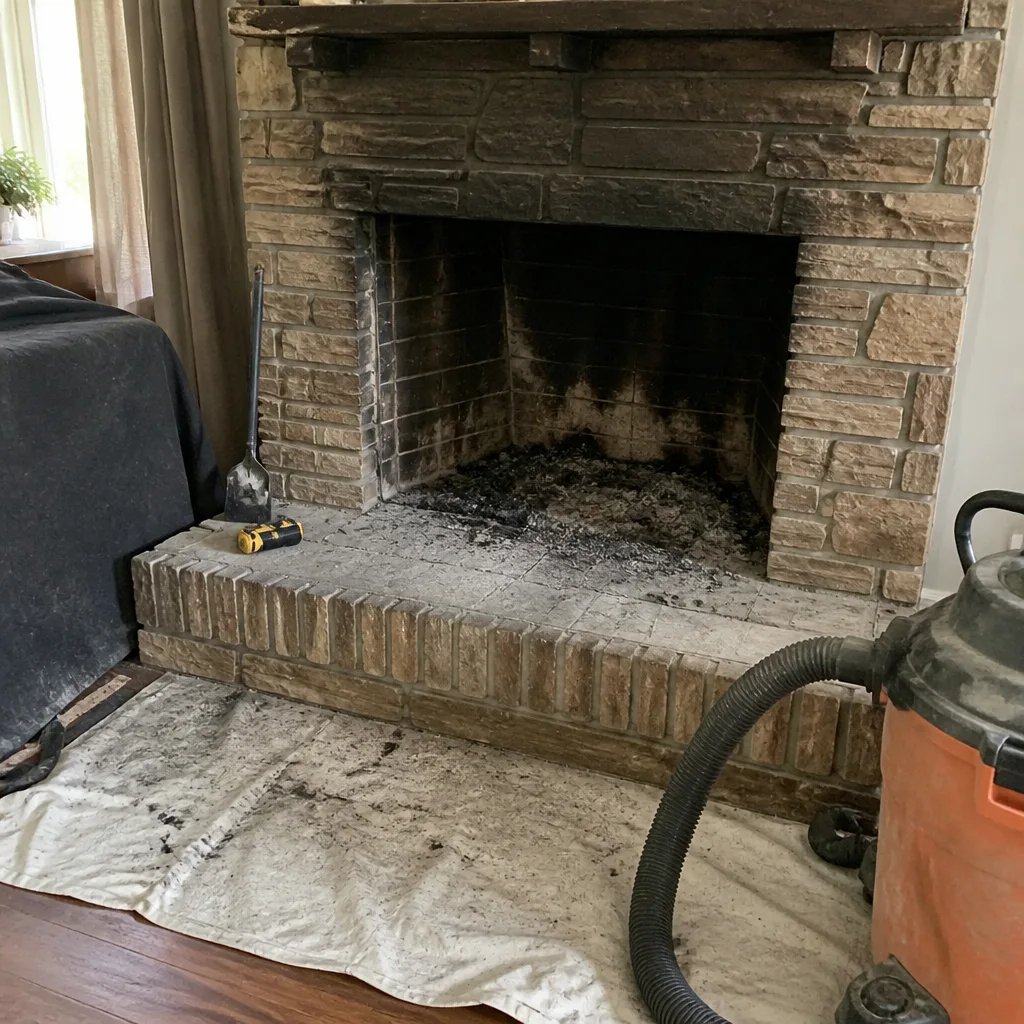 Before
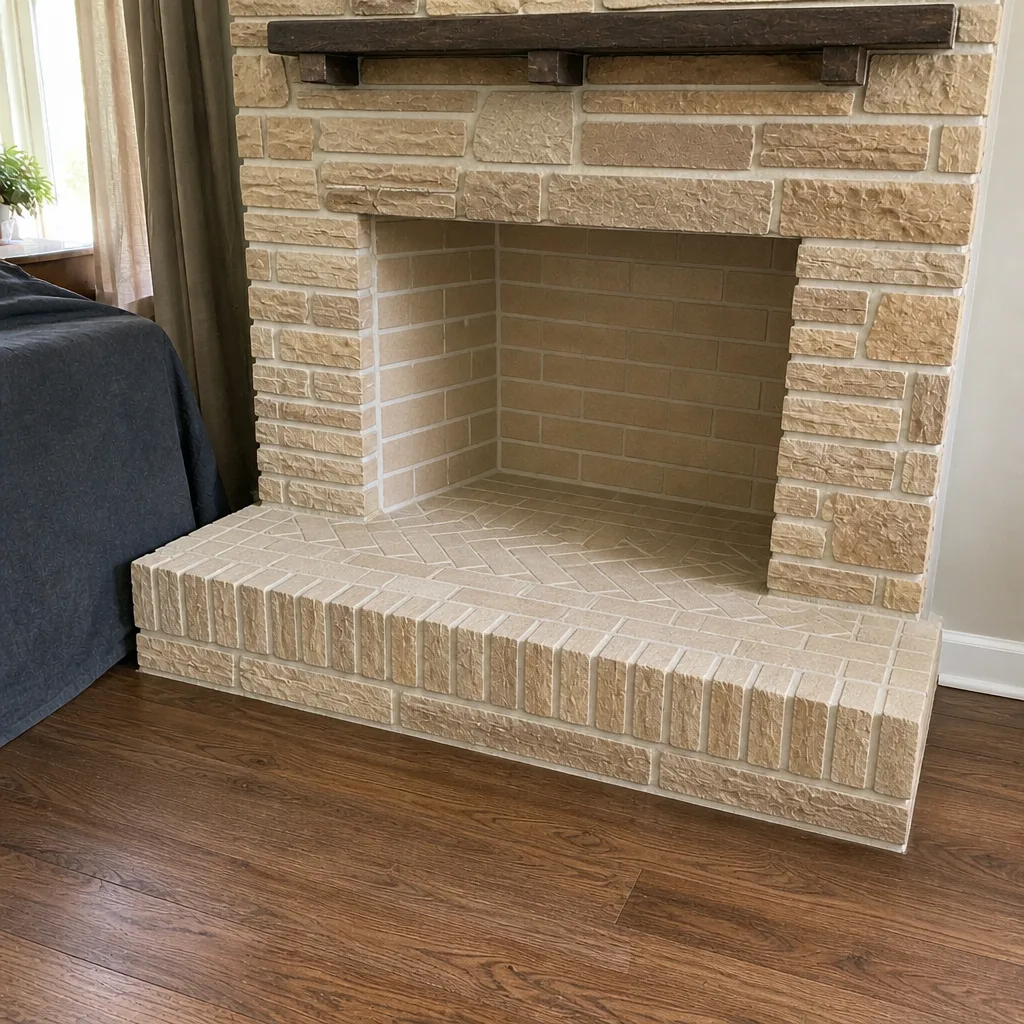 After
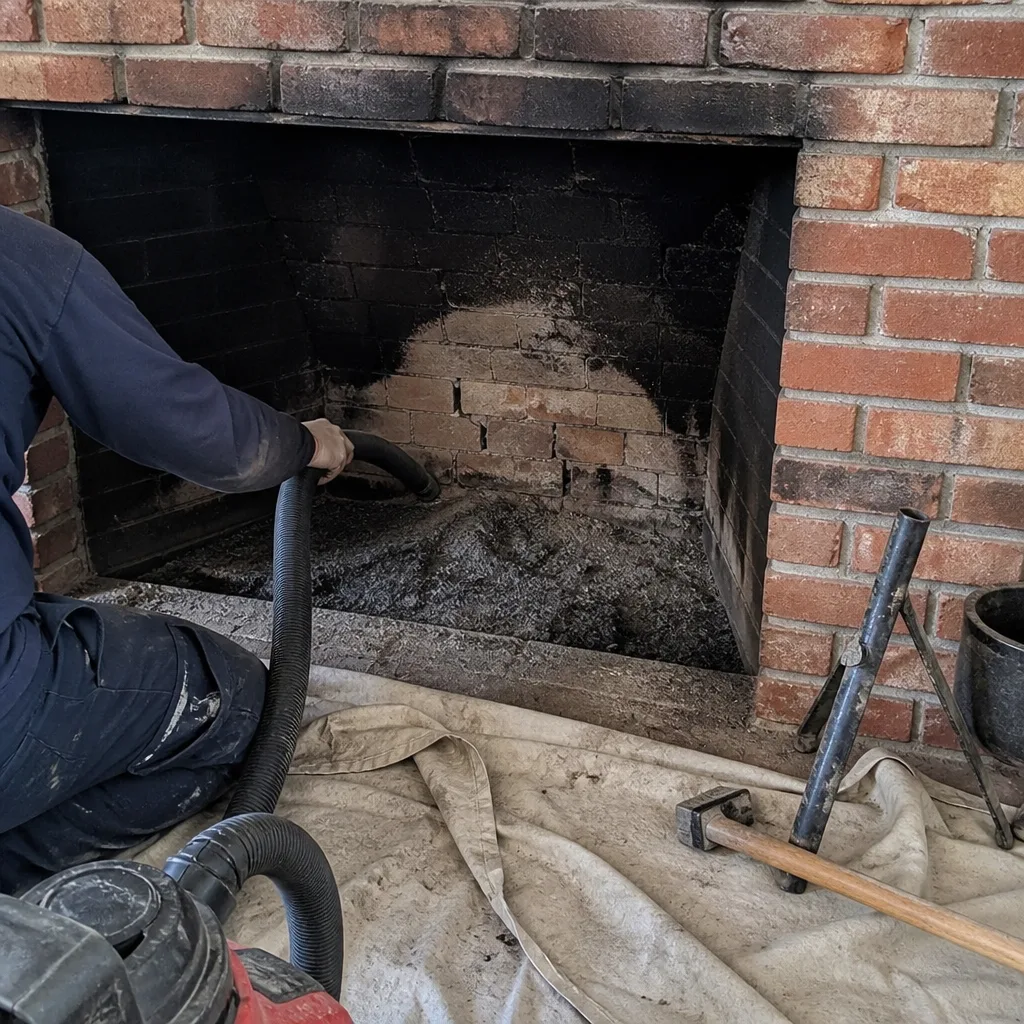 Before
 After
 Before
 After
When to Call a Professional
Some chimney problems are safe to note and watch. Others are the reason to pick up the phone today. Call a professional if you smell a strong draft or smoky odor in the room after a fire, if you see cracked or missing mortar joints on the exterior, or if creosote has built up to a visible glaze inside the flue. Any chimney fire, even a small one you think you put out, calls for a Level 2 inspection before you use the fireplace again. A change in what you burn, a new insert or stove, or a liner replacement also means the chimney should be looked at by a specialist. And if you simply don’t know the last time the chimney was swept, that’s reason enough on its own. Lakewood Chimney Sweep Co offers free estimates in Lakewood. Call (866) 937-7920. We answer 24/7, with fast dispatch from 7am to 7pm, Sunday through Friday.
Frequently Asked Questions
A standard chimney sweep with a Level 1 inspection in Lakewood typically runs $175 to $350, depending on the chimney’s condition and access. Repairs, liner restoration, and cap and crown work are quoted separately. The written estimate sets the final price. Call (866) 937-7920 for an exact quote; estimates are free.
Not always, and no contractor should recommend one without camera evidence you can see for yourself. A liner replacement is called for when the flue tiles are cracked, gaps are present, or the liner is damaged beyond resurfacing. In some cases a ceramic resurfacing restores the liner at lower cost than a full replacement. Ask to see the camera footage before you approve anything. Call (866) 937-7920 to schedule an inspection with a photo report.
Most chimneys should be swept once a year, ideally before the heating season starts, and more often if you burn heavily or notice creosote buildup. Gas inserts and wood stoves have their own inspection intervals. If you can’t remember the last sweep, that’s the cue to book one. Call (866) 937-7920 to get on the schedule.
Creosote builds up inside the flue, and heavy deposits can ignite, which is the mechanism behind a chimney fire. A blocked or damaged flue can also prevent proper venting. Skipping the annual sweep doesn’t guarantee a problem, but it removes the inspection that would catch one early. Call (866) 937-7920 for a sweep and inspection; estimates are free.
No. Colorado doesn’t license chimney contractors at the state level, so CSIA certification is voluntary, which is exactly why it’s a useful filter. A certified technician has passed a national exam and recertifies to stay current, and you can verify the credential in the CSIA directory before you book. Call (866) 937-7920 to ask about the certification of the technician who will perform your work.
Often yes, when the problem is found during the same inspection and the parts are available. Sweeping, inspection, fireplace repair, and cap and crown work are all covered by one contractor, so you’re not handed off between trades. The written scope tells you what’s included in the first visit and what needs a follow-up. Call (866) 937-7920 to book; we answer 24/7.
The Bottom Line
Hiring a chimney contractor in Lakewood comes down to a few filters that don’t depend on a state license, because Colorado doesn’t issue one. Verify CSIA certification and confirm the certified technician will be the one on your roof. Insist on a written scope that names the inspection level and includes camera evidence you can see. Match your references to your home’s chimney type, and remember that the lowest bid is often the one that does the least. A fair price with a clear scope beats a cheap price with a shrug every time. Our technicians have up to 11 years of experience, and we treat inspection as a diagnostic rather than a sales pitch. Call (866) 937-7920 for a free estimate. We answer 24/7, with fast dispatch from 7am to 7pm, Sunday through Friday.
Written by the team at Lakewood Chimney Sweep Co.