
Last updated November 23, 2026
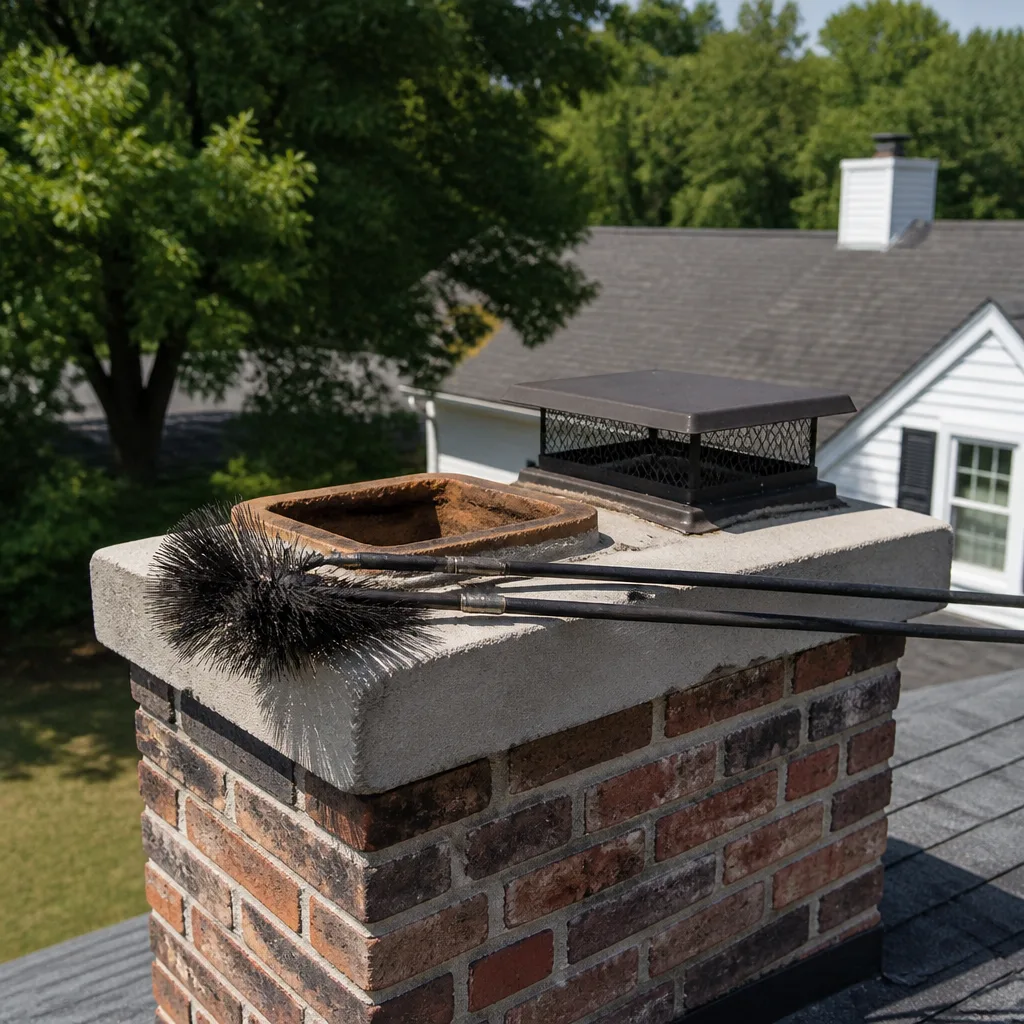 Sweep & inspection
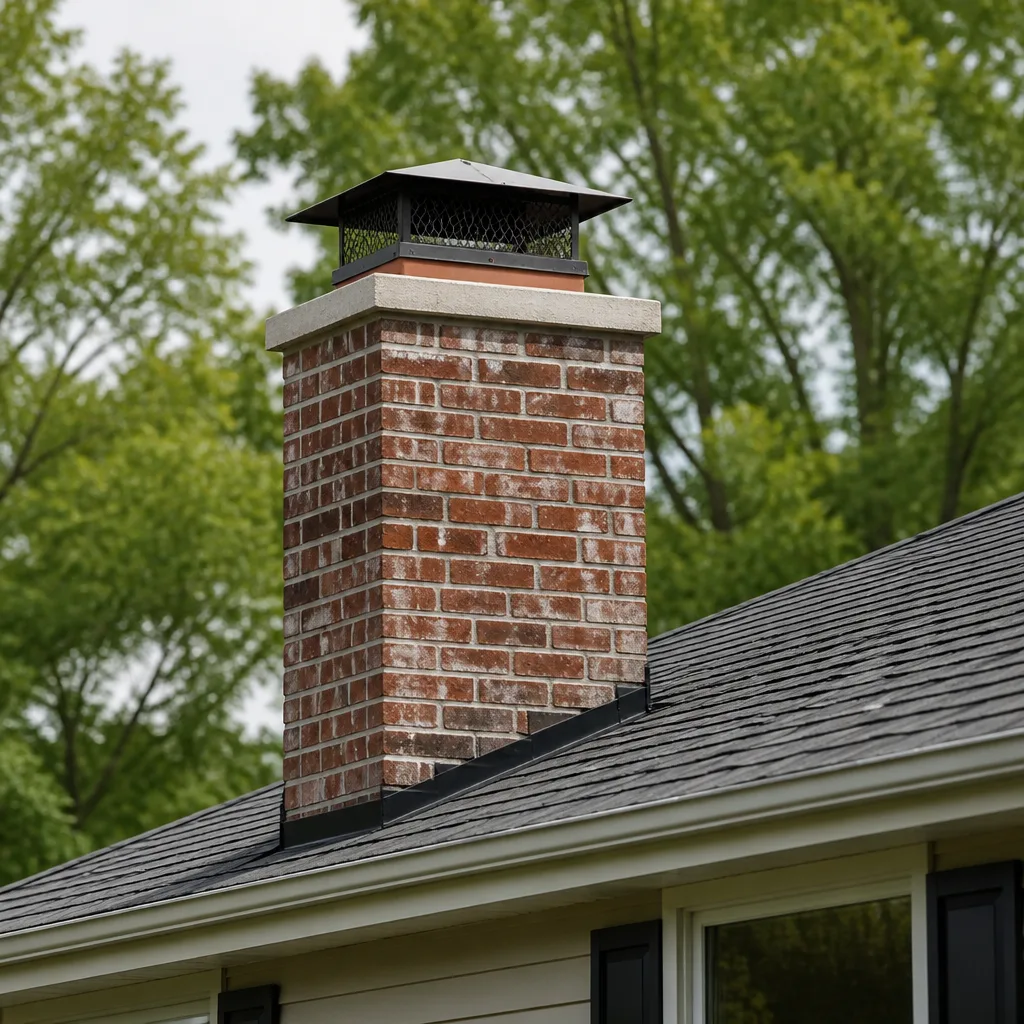 Caps & crowns
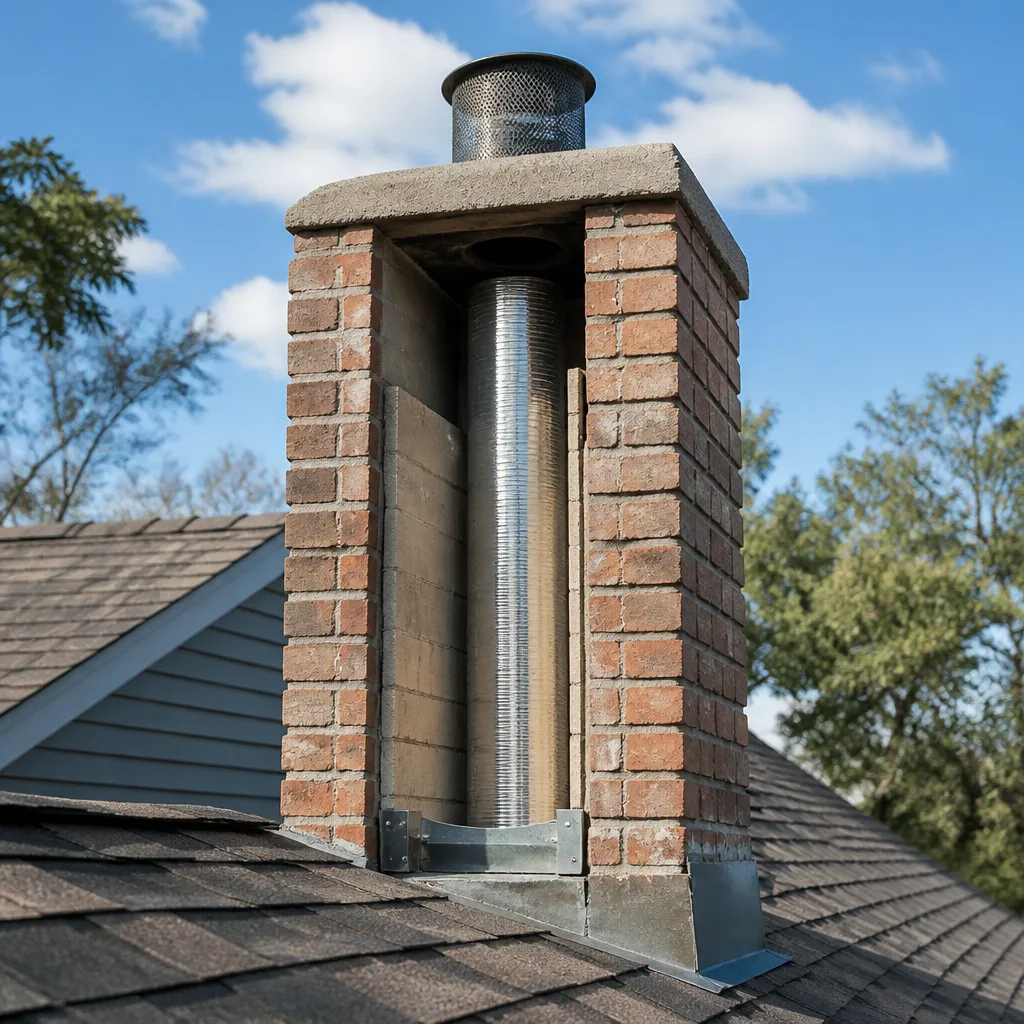 Flue relining
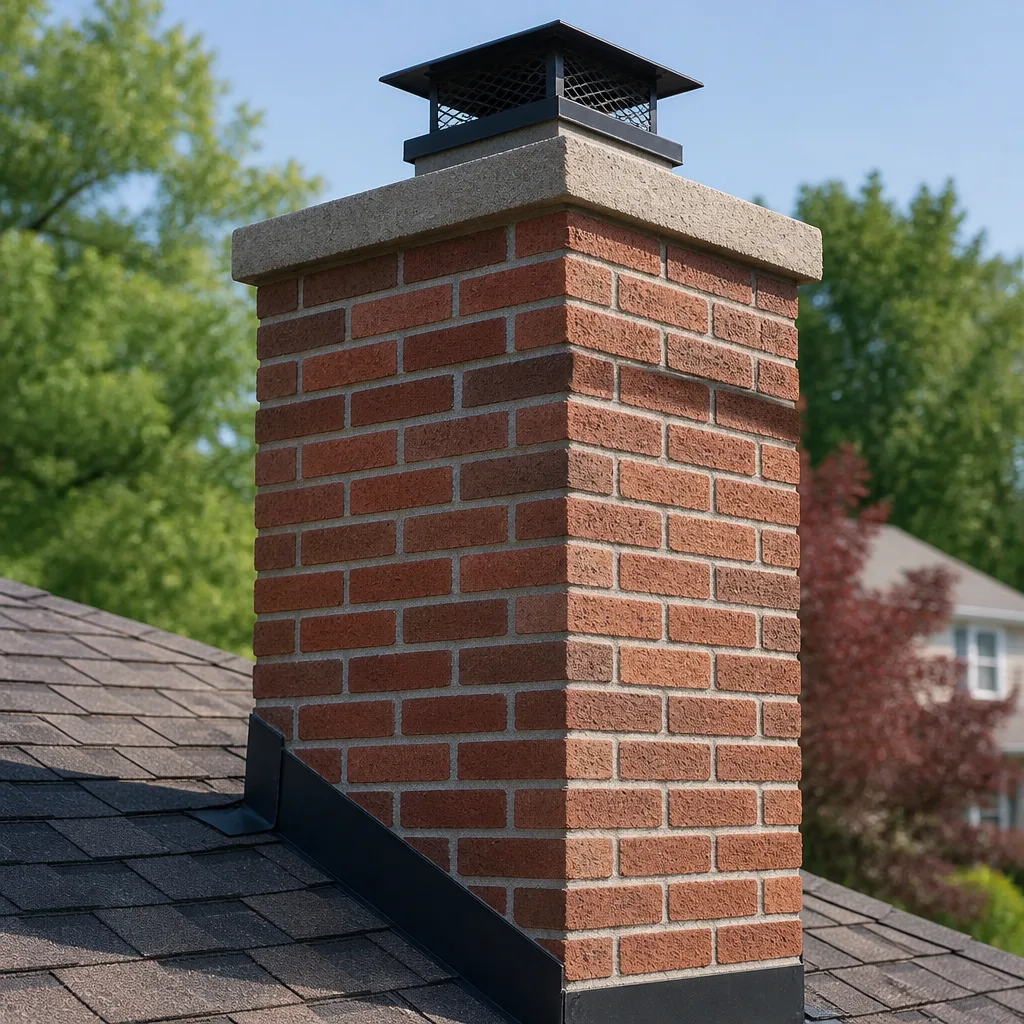 Masonry repair
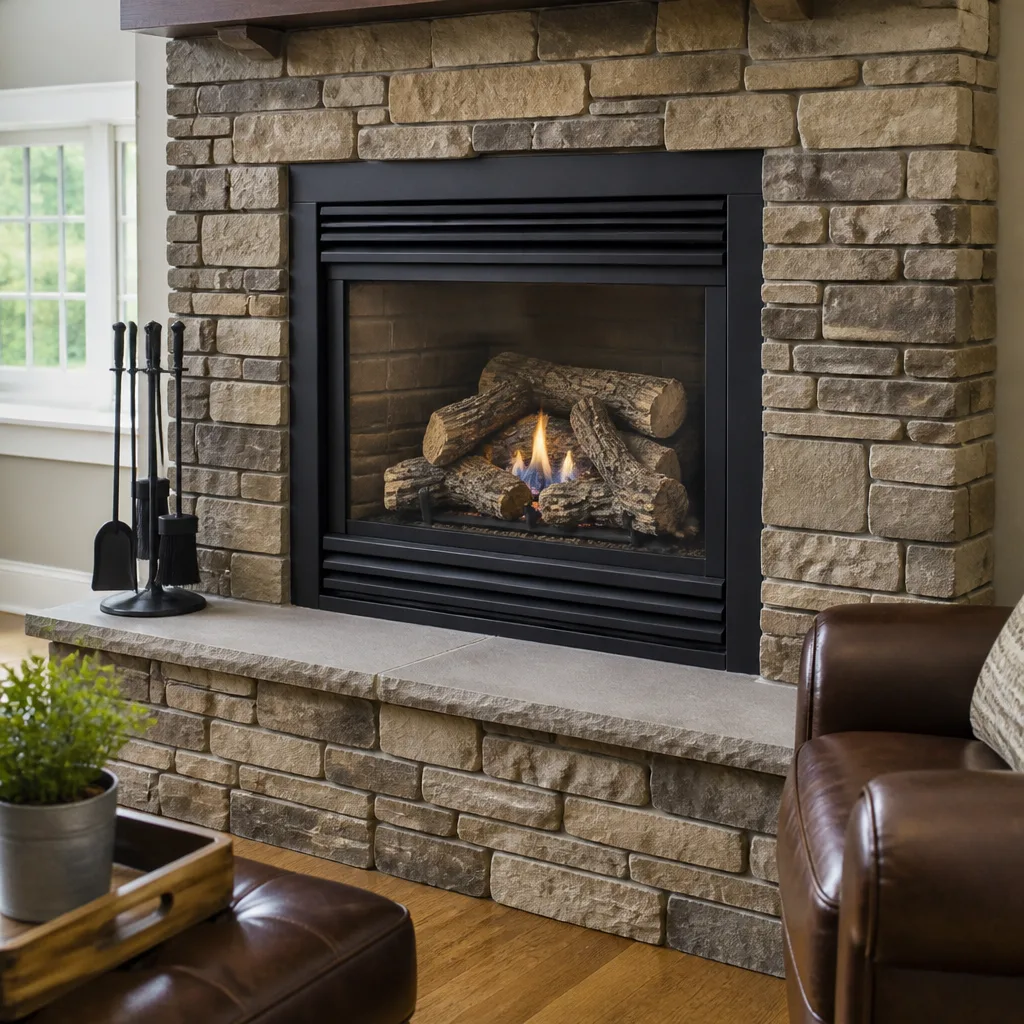 Gas fireplace service
Level 1 sweep and inspection to the NFPA 211 annual standard - flue, crown, cap, and flashing checked and photographed
Chimney sweep logs do not sweep chimneys. They loosen some creosote - which then falls where a brush and vacuum still have to collect it.
DIY vs Professional Chimney Cleaning: The Lakewood Homeowner’s Decision Guide
Here’s the part the hardware store won’t tell you: a chimney brush kit might cost around $80, but the problem with brushing your own flue usually isn’t the brush. It’s that the brush can only clean what it reaches and can only confirm that soot moved. It can’t tell you whether the creosote three feet up is the glazed, tar-like kind that ignites, whether the liner has a hairline crack behind the soot, or whether the flue is sized correctly for your firebox. In Lakewood’s older brick housing stock, those invisible conditions show up often enough that the professional route is usually the lower-risk financial decision, not just the safer one. This guide walks through what DIY can genuinely handle, where it stops being maintenance, and what a professional sweep actually brings to your roof.
Quick Answer
DIY chimney cleaning works for a low-use, recently inspected chimney with light soot and no signs of trouble, and it can safely keep things tidy between professional visits. For anything beyond that, especially a wood-burning fireplace in a Lakewood home built between the 1960s and 1980s, professional cleaning and inspection is the lower-risk and usually lower-cost choice once you account for what a brush can’t detect. A brush removes soot. It doesn’t assess creosote stage, liner condition, or hidden cracks, and those are where chimney problems actually hide.
Styles & brands we work with
- Sweep & inspection
- Caps & crowns
- Flue relining
- Masonry repair
- Gas fireplace service
Table of Contents
- What a DIY Sweep Can Actually Accomplish
- What a Brush Kit Cannot See or Fix
- When DIY Is a Defensible Choice
- Why Lakewood’s Older Housing Stock Raises the Stakes
- The Equipment Gap: What a Professional Brings
- Using DIY Maintenance Between Professional Visits
- The Real Cost Comparison
- Common Mistakes to Avoid
- When to Call a Professional
- Frequently Asked Questions
What a DIY Sweep Can Actually Accomplish
A homeowner with the right brush and a flexible rod can do real work. If your chimney is lightly sooted and you’ve stayed on top of it, a DIY pass removes the loose, flaky creosote and keeps airflow reasonable. That’s a meaningful baseline, and we’re not going to pretend otherwise. The confusion starts when people assume a clean-looking flue is a safe flue. Those aren’t the same thing.
Here’s what a brush-on-a-rod getup handles well:
- Loose soot and ash lifted from the flue walls on a chimney that was cleaned recently.
- Surface flake creosote of the powdery, brittle sort that comes off with light brushing.
- Ash pan and firebox cleanout before the start of the burning season.
- Visual pass of the firebox and damper area from inside, with a flashlight, as part of routine upkeep.
What a brush only seems to handle is where the trouble lives. A DIY pass feels like cleaning because soot comes down. But soot is the visible layer. The layer that fails inspections, catches fire, or hides a cracked liner is usually a few inches deeper, and it doesn’t announce itself with a cloud of dust. In our experience, the homeowner who says “I sweep it every year and it’s fine” often hasn’t had a close look at the creosote stage or the liner condition since the house was wired for cable. On a Lakewood chimney, that gap in the record is the actual risk.
None of this means the DIY brush is useless. It means the brush is the easy 30 percent of the job. The other 70 percent is diagnosis and safety assessment, and that’s a separate skill from scrubbing.
What a Brush Kit Cannot See or Fix
The single biggest value of professional chimney work isn’t the cleaning itself. It’s that a trained eye is looking at the parts of your system you’ll never see from inside the house or from a ladder at the roofline. A professional sweep is a cleaning appointment plus an assessment. The assessment is what protects the home.
Specifically, four things a DIY brush can’t reliably identify or handle:
- Creosote stages. Flake creosote brushes off. Tar-glaze creosote clings, and the hard, glassy third stage has to be chemically treated or mechanically ground with a rotary system. A brush rides right over it.
- Liner cracks and gaps. Hairline fractures in a clay tile liner, or gaps between tiles, are almost invisible without a camera. They’re the gap through which heat and carbon monoxide reach the framing.
- Structural issues. A missing crown, a hairline crack in the masonry above the firebox, a mortar joint that’s spalling inside the flue. These are diagnosed by looking, not scrubbing.
- Flue sizing and drafting problems. A flue that’s too large for the firebox drafts poorly, and a DIY brush can’t measure the relationship. Poor draft builds creosote faster.
There’s a second category too: the creosote a brush does remove can become a mess it can’t contain. Without a HEPA vacuum and proper containment, the soot ends up on your living room furniture, your curtains, and the inside of your HVAC return. In a Lakewood house with original finishes and close living quarters, that cleanup alone can cost more than a professional sweep.
On top of all that, chimney sweeping and inspection is physical work on a roof, often on older clay tile or composite shingles. It’s a fall hazard and a strain on the back and shoulders. Some Lakewood chimneys are pitched and some are flat-roofed, and roof access is genuinely different from house to house. That’s not a knock on homeowners; it’s a reason to think twice about climbing up there with tools.
When DIY Is a Defensible Choice
DIY cleaning is not a bad idea across the board. It’s a defensible choice in a few specific scenarios, and we’d rather tell you which ones than pretend every chimney needs a professional every time.
- A gas fireplace with low use. Gas fireplaces don’t produce creosote the way wood does, and a light annual pass can be within reach if the unit’s manual calls for it and the flue has been inspected recently.
- A newer prefab unit under a decade old with a manufacturer-recommended cleaning schedule. Newer metal flues are more predictable, and light soot comes off easily. Follow the manufacturer’s schedule; the warranty depends on it.
- Light soot and a recent professional inspection on record. If you had a sweep and inspection within the last year or two, the liner is known-good, and you’re only removing surface soot, DIY is reasonable as a top-up.
- You have the correct brush matched to your flue material. A poly brush for a metal liner, no steel bristles on a clay tile, the right diameter for the flue. Wrong brush, wrong result.
- You have a safe roof access and proper fall protection. If you don’t, the ladder is the whole problem, and no brush kit is worth a fall.
What ties these together is a documented baseline. You know your liner is sound because a professional has looked at it. You know your creosote stage is low because it was checked. You know your chimney was built to be swept with the tools you have. In those conditions, brushing between professional visits is a sensible maintenance habit, not a shortcut. In every other case, the DIY pass is doing an unknown amount of good and possibly an unknown amount of harm, and the peace of mind you think you’re buying isn’t actually there.
Why Lakewood’s Older Housing Stock Raises the Stakes
Lakewood has neighborhoods built across a long span, and a good chunk of the housing went up between the 1960s and the 1980s. If your chimney is original to a home from that era, the construction details matter more than the age on the deed. That stretch of Lakewood housing stock tends to share a few conditions that make DIY cleaning riskier than it would be in a newer build.
- Clay tile liners, often installed unsealed. Tiles butt against each other without a mortar joint in some builds, and the gap between them is the kind of thing a camera catches and a brush misses.
- Mortar joints that have aged inside the flue. Decades of heat cycling cause the mortar between tiles and in the smoke chamber to erode. A brush pass cleans around the problem without touching it.
- Original crowns and flashings, often cracked. A failing crown lets water into the masonry, and that water comes back as deterioration inside the flue. Brushing can’t see it, but it affects the whole system.
- Wood-burning firebox changes over time. Retrofits and reworks from earlier decades often left the flue sized for the original firebox, not the current one. Drafting and creosote buildup are both affected.
- Roof access that’s less predictable. Older Lakewood roofs have some pitches, some low slopes, some original sheathing, and a ladder footing that isn’t always obvious.
None of that means a 1960s Lakewood chimney is unsafe. It means the odds of an unseen condition have accumulated over decades, and those conditions are the ones professional inspection is built to find. A homeowner with a 2015 build is looking at a different risk profile than someone with the original tile flue on a 1970s ranch. The later the build, the narrower the DIY case. The earlier, the wider the gap between what a brush sees and what the chimney needs.
This is true on new construction too, just less often. Every chimney eventually has its own history, and in Lakewood, that history tends to be longer.
The Equipment Gap: What a Professional Brings
The gap between a homeowner with a brush kit and a professional sweep is real, and it’s not about a better brush. It’s about two different classes of equipment. Here’s how the two compare.
- Rotary cleaning systems. A professional uses a mechanical rotary head to grind away glazed creosote and stubborn deposits. This is the difference between clean and not-clean for a chimney with third-stage creosote. It’s also the tool that keeps the brush from simply polishing the tar.
- Video inspection. A camera on a flexible rod goes up the flue and shows the inside of the liner, the joints, and the smoke chamber on a screen. This is what makes diagnosis possible. Without it, everyone is guessing.
- Containment and HEPA vacuum. Professional equipment seals the fireplace opening and captures the soot and dust at the source, so the cleaning stays in the chimney and not in your living room.
- Specialized repair materials. When a liner has reachable cracks, a professional can reline with a system like DuraFlex or restore a damaged flue with HeatShield ceramic resurfacing. Those materials are part of the repair, and they’re not sold at the hardware store for a reason.
- Brushes matched to material. Poly, wire, and combination brushes each have their place. So do Gelco and Olympia Chimney components for the right repairs. A general-purpose homeowner brush is one size that fits nobody.
This is the difference between a cleaning and a full chimney service. A DIY kit is a tool. A professional appointment is a tool, a trained eye, a camera, and a set of materials that can fix what the camera actually finds. Our technicians have up to 11 years of experience, and the reason that matters isn’t that they can brush faster. It’s that they know which 30 percent of what a camera shows is worth doing something about and which 70 percent can wait. That judgment is hard to buy at the hardware store, and it’s the part that turns a sweep into real value. It’s also why a full-service visit can be a chimney sweep for the light case and a repair plan for the heavy case, without sending the homeowner from one contractor to another.
Using DIY Maintenance Between Professional Visits
The most useful role for DIY chimney maintenance isn’t replacing professional service. It’s keeping the chimney in good shape between professional visits, under a schedule both you and the inspection agree on. A few practices fall in that window, and they’re worth building into a routine.
Here’s a workable order for DIY upkeep:
- Keep the firebox and ash pan clear of ash buildup during the burning season. A shallow ash bed is fine; a deep one cuts airflow and throws off drafting.
- Check the damper operation from inside the house. It should open and close smoothly and seat fully when closed.
- Watch for smoke roll-out into the room when you open the firebox door. That’s a drafting signal, not a cleaning signal, and it’s a reason to book an inspection.
- Do a light surface pass with the correct brush only if the chimney is in the DIY-defensible category from earlier in this guide.
- Keep the roof and cap clear of leaves, snow, and debris. Snowpack on a roof around the chimney base and cap matters in Lakewood’s winters, and a clear cap means a clear flue.
- Log what you see and what you do. Note the date, the firebox condition, and anything odd. A professional can use that record.
- Do not attempt to use a chemical creosote remover without professional advice. The wrong product on the wrong stage of creosote, or on a metal liner it isn’t rated for, can damage the liner.
The line where DIY stops being maintenance and starts being liability is concrete. It’s the moment you can’t confirm the creosote stage, you can’t see the inside of the liner, or you find yourself wondering whether a crack is a crack. At that point, brushing more is doing less. A professional chimney inspection at that stage is the next right step, and it’s cheap compared with the repair a doctor visit is meant to prevent. If the shift is in the firebox or damper, the right specialist is a fireplace repair appointment, not a second brush pass. Some jobs, especially on a home with masonry around the flue, also land in chimney repair territory, and that’s the point where professional diagnosis is doing the work. Every service under that umbrella is meant to protect a system that you can’t see from the top of a ladder.
The Real Cost Comparison
Here’s the honest math. DIY cleaning on a defensible chimney is cheap by comparison. On a chimney that isn’t in that category, DIY cleaning doesn’t replace the professional work, it delays it. The cost gap shows up not at the brush purchase but at the repair stage, and that gap is where a lot of Lakewood homeowners get surprised.
A clear picture of the trade-offs:
- DIY brush kit: roughly $80 at a hardware store, plus your time and a roof climb.
- Professional sweep: priced per job by written estimate after we see the chimney.
- Professional inspection: also priced per job by written estimate, and it’s what turns a brush pass into information.
- Liner or masonry repair a DIY pass fails to catch: a real and separate category of cost, often in the range of thousands of dollars, and the number changes with the chimney.
- Creosote fire cleanup after a missed buildup: also a separate category, and the costliest one.
Notice which columns carry estimates and which carry ranges. The DIY kit has a number on the tag. The professional sweep has a written estimate, which is free to get and which tells you exactly what the visit will cover. The repair cost doesn’t have a number until someone sees the chimney, which is the whole reason a brush kit can’t price it in. The DIY pitch (buy the kit, save the sweep) works because the sweep cost is visible and the missed-repair cost is not. For a Lakewood homeowner, the estimate that makes the decision easy is the professional one, because it puts the visible cost next to the invisible one. We don’t put a number on a repair until a camera is up the flue, and we don’t price a sweep any higher than the written estimate on the job. That’s the whole accounting.
The chimney cap & crown is the other part of the picture. A failing crown lets water in, and water causes more unseen damage than creosote over time. If the crown is doing its job, the rest of the chimney’s lifespan goes up. That’s a case for a professional visit from the top down, not a substitute for one.
Common Mistakes to Avoid
- Assuming a clean-looking firebox means a clean flue. Soot on the firebox floor is not a report card. The flue is a separate surface and the one that holds creosote.
- Using the wrong brush for the liner. Steel bristles on a clay tile or a metal liner will score the surface. Match the brush to the material or don’t use one.
- Cleaning without a camera and then calling the job done. No camera means no evidence. If you’re cleaning a chimney you can’t see inside, you’re buying the feeling of maintenance without the substance.
- Ignoring the crown and cap. Roof-level water intrusion from a cracked crown shows up in Lakewood homes as flue deterioration years later. It’s the quiet failure that costs more than the sweep.
- Burning unseasoned wood in Lakewood’s high-altitude air. Damp or green wood burns cool and smokes heavily, and heavy smoke means fast creosote. Season it and store it dry.
- Treating a low-use gas fireplace as maintenance-free. Gas appliances are cleaner, but they still produce debris and need the manufacturer’s inspection schedule. They aren’t immune.
- Skipping the annual inspection after a DIY season. If you clean your own chimney, put an inspection on the calendar every year. The inspection is the file that keeps the DIY pass honest.
When to Call a Professional
Call when the chimney is more than your brush can handle. A wood-burning fireplace that sees regular use, a chimney in a Lakewood home built in the 1960s or 1970s with a clay tile liner, a home with no inspection on record, an estate or move-in walk-through, or any chimney where the last cleaning turned up hard, shiny deposits, all justify a professional visit. So does any sign of smoke roll-out, drafting trouble, or a firebox that’s been reworked. If you’ve never had the chimney inspected, that’s the simplest version of the call. A professional sweep includes an assessment, a camera look at the liner, and a written estimate of any repair, and the estimate is free. Call (866) 937-7920 to book yours with Lakewood Chimney Sweep Co. We answer 24/7. Fast dispatch from 7am to 7pm, Sunday through Friday.
Frequently Asked Questions
Yes, in specific conditions: a gas fireplace with low use, a newer prefab unit with a recent professional inspection on record, or a lightly sooted chimney where the liner is known-good and you’re only removing surface soot. The condition that ties those together is a documented baseline. If you don’t know your liner is sound and your creosote stage is low, the DIY pass isn’t safe by default. Call (866) 937-7920 to book an inspection and get a baseline on record.
Sometimes, yes. The risk is threefold: a brush matched to the wrong flue material scores the liner, a brush run without containment puts soot through the house, and a brush pass over unseen creosote can leave behind exactly what causes a chimney fire. The material of the liner and the creosote stage both matter. If you don’t know either, a professional sweep is the right first call. We answer 24/7. Fast dispatch from 7am to 7pm, Sunday through Friday.
A professional sweep brings a rotary system for glazed creosote, a video camera for the inside of the liner, HEPA containment, and the materials for minor repairs like a HeatShield ceramic resurfacing or a DuraFlex liner section when needed. The brush is the smallest part of the visit. The camera and the judgment are where the value sits. Call (866) 937-7920 for a free estimate.
The common industry rule is once a year, and more often if the fireplace sees a lot of use or burns unseasoned wood. For wood-burning fireplaces in older Lakewood homes, once a year and an annual inspection is the minimum, not the ceiling. Gas fireplaces follow the manufacturer’s schedule and the annual inspection still applies. If you’re not sure where your chimney stands, book the visit. We answer 24/7. Fast dispatch from 7am to 7pm, Sunday through Friday.
A cracked liner, a gap between clay tiles, a failed crown letting in water, or a stage-three creosote buildup that a brush rides right over. Any of those raises the risk of a chimney fire or carbon monoxide finding a path into the home. A brush can’t confirm the liner is intact, and a camera can. That’s the whole argument for professional inspection, and it’s the reason to call (866) 937-7920 if you’ve ever cleaned your own chimney and never had it inspected.
It’s a real reason to be careful. Lakewood neighborhoods built between the 1960s and 1980s tend to have clay tile liners, aging mortar in the flue, and original crowns, and those conditions are the ones a brush doesn’t see. Newer homes aren’t immune, but they’re less likely to be hiding decades of accumulated damage behind a freshly brushed flue. If your Lakewood home is original to one of those decades, professional inspection is the safer default. Call (866) 937-7920 to book it, and the estimate is free.
The Bottom Line
DIY chimney cleaning isn’t a scam. It’s just a smaller job than the internet implies. On a gas fireplace, a newer prefab unit, or a lightly sooted chimney with a recent professional inspection on record, it’s a reasonable habit. On a wood-burning fireplace in an older Lakewood home, or any chimney with no inspection history, the brush is doing half a job and the half it skips is the part that fails. The safer math is to let a professional do the cleaning and inspection together, then let DIY handling keep the firebox tidy between visits. A camera and a trained eye catch what a brush can’t, and the cost of that visit is small next to the repair it might prevent.
Our full-service lineup covers chimney sweeping, inspection, fireplace repair, chimney repair, and chimney cap & crown installation, so a single call handles the cleaning and any follow-up it turns up. We work with professional-grade product lines including DuraFlex, HeatShield, Gelco, Olympia Chimney, Famco, and Copperfield, and we specify the right product for the repair your chimney actually needs. Our technicians have up to 11 years of experience.
Call (866) 937-7920 for a free estimate. We answer 24/7. Fast dispatch from 7am to 7pm, Sunday through Friday. Lakewood Chimney Sweep Co is a full-service chimney specialist, and from the firebox to the crown we’d rather show you the camera evidence than sell you work you can’t verify. Estimates are free, and the written estimate sets the price.
Written by the team at Lakewood Chimney Sweep Co.
See the difference
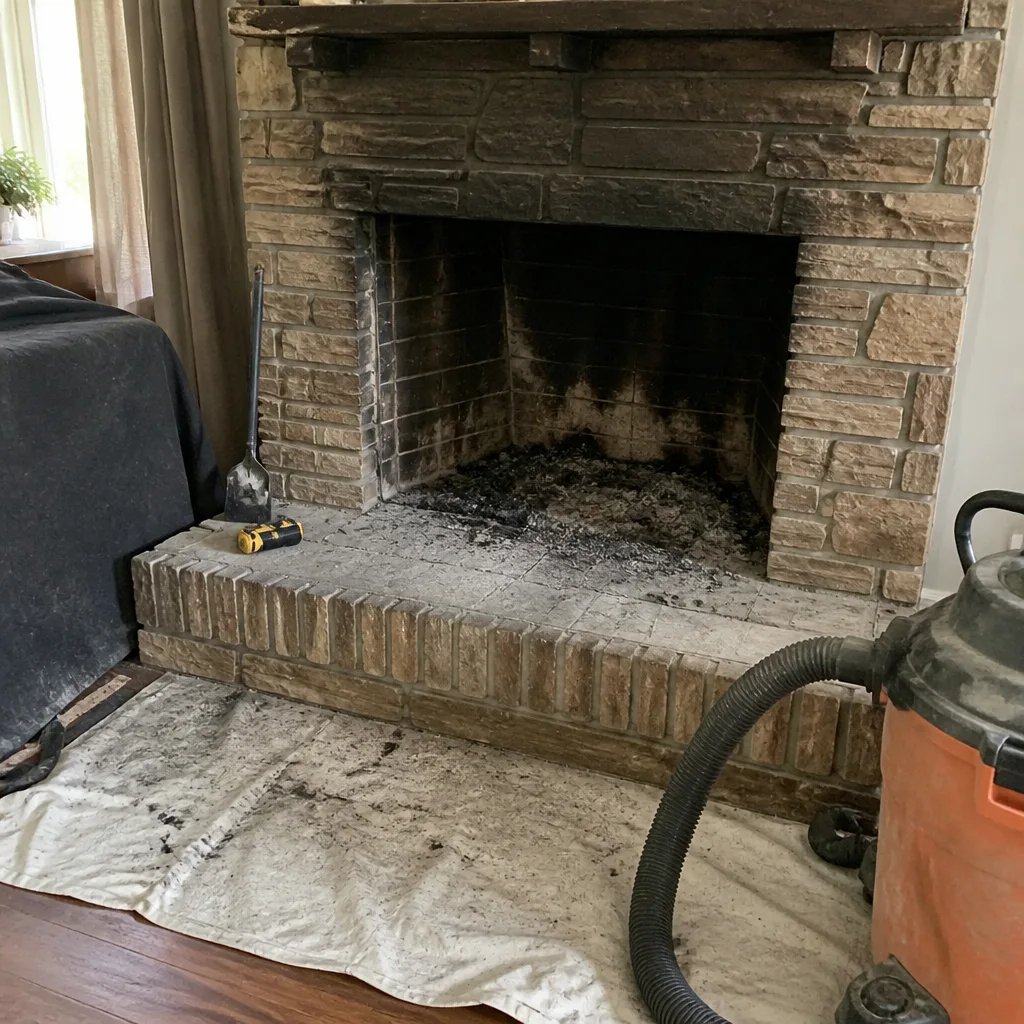 Before
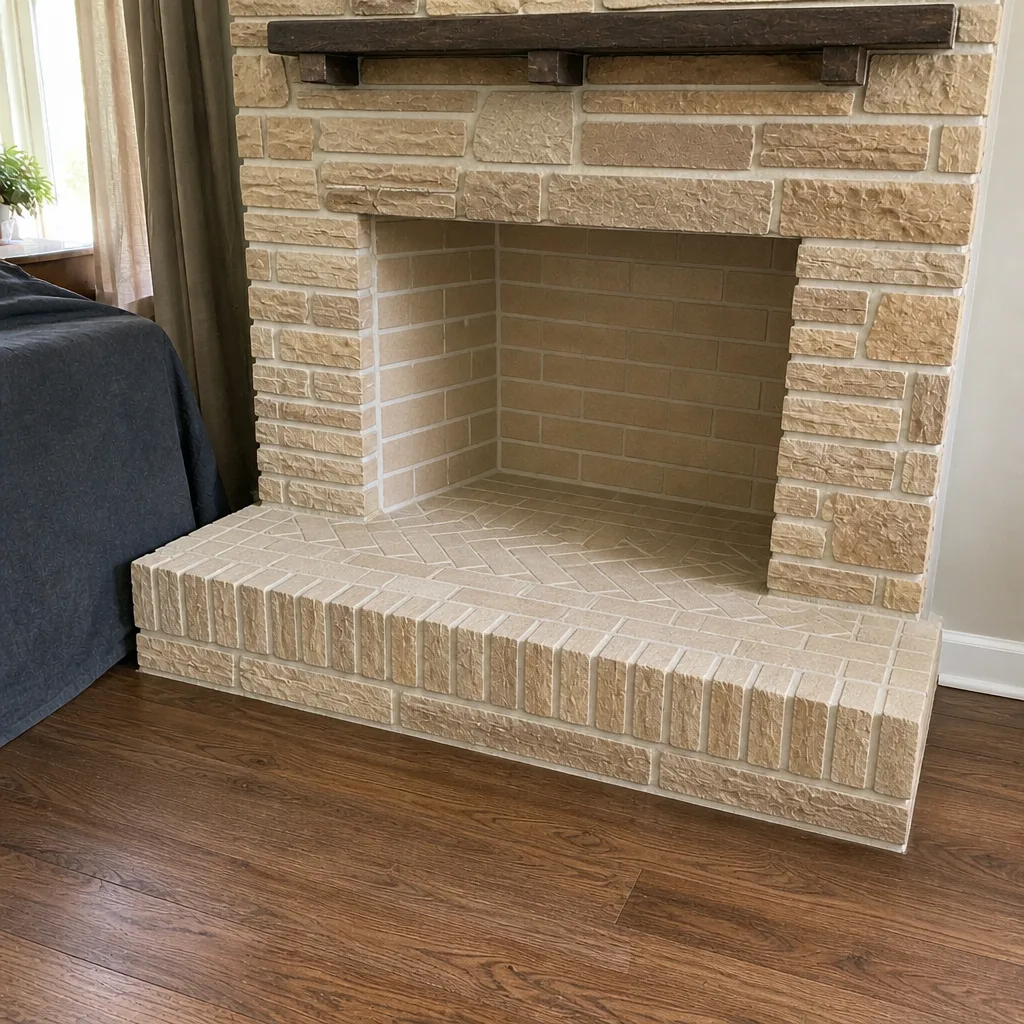 After
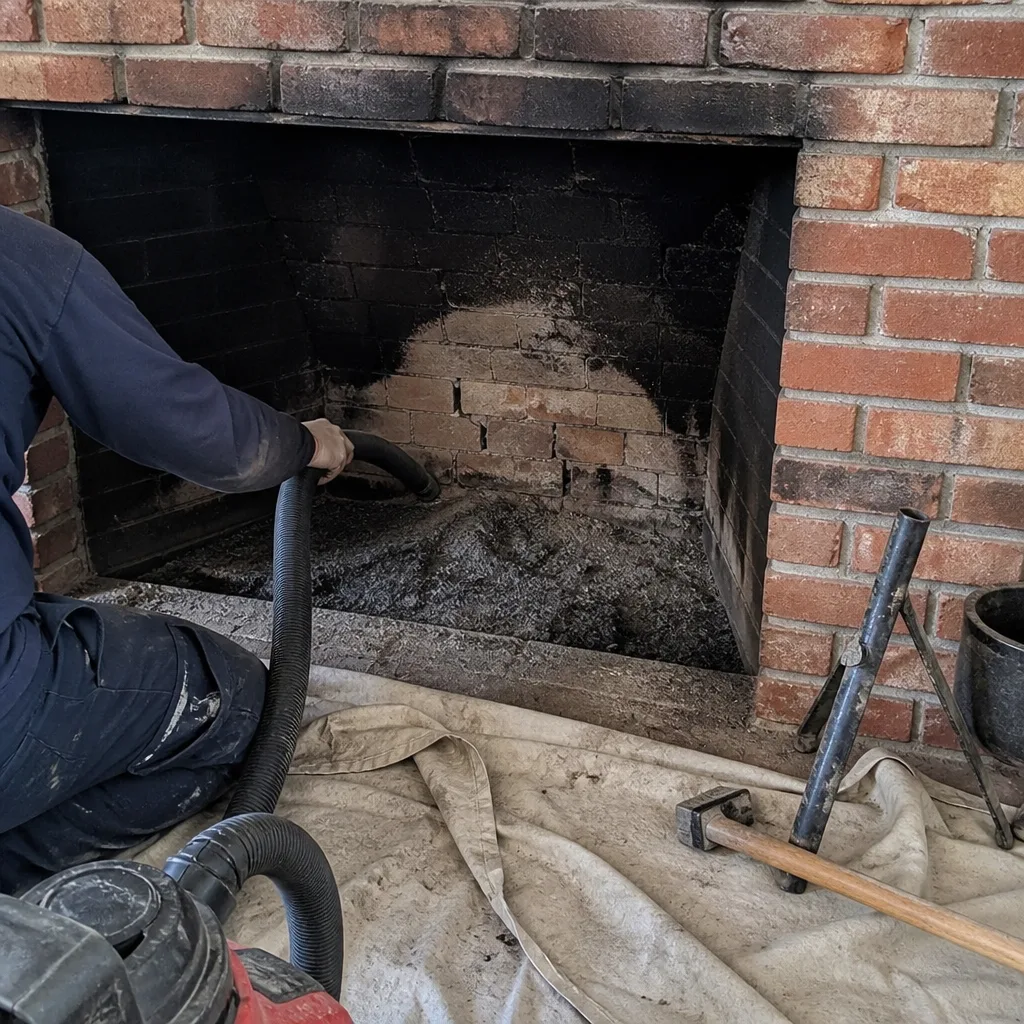 Before
 After
 Before
 After