
Last updated November 23, 2026
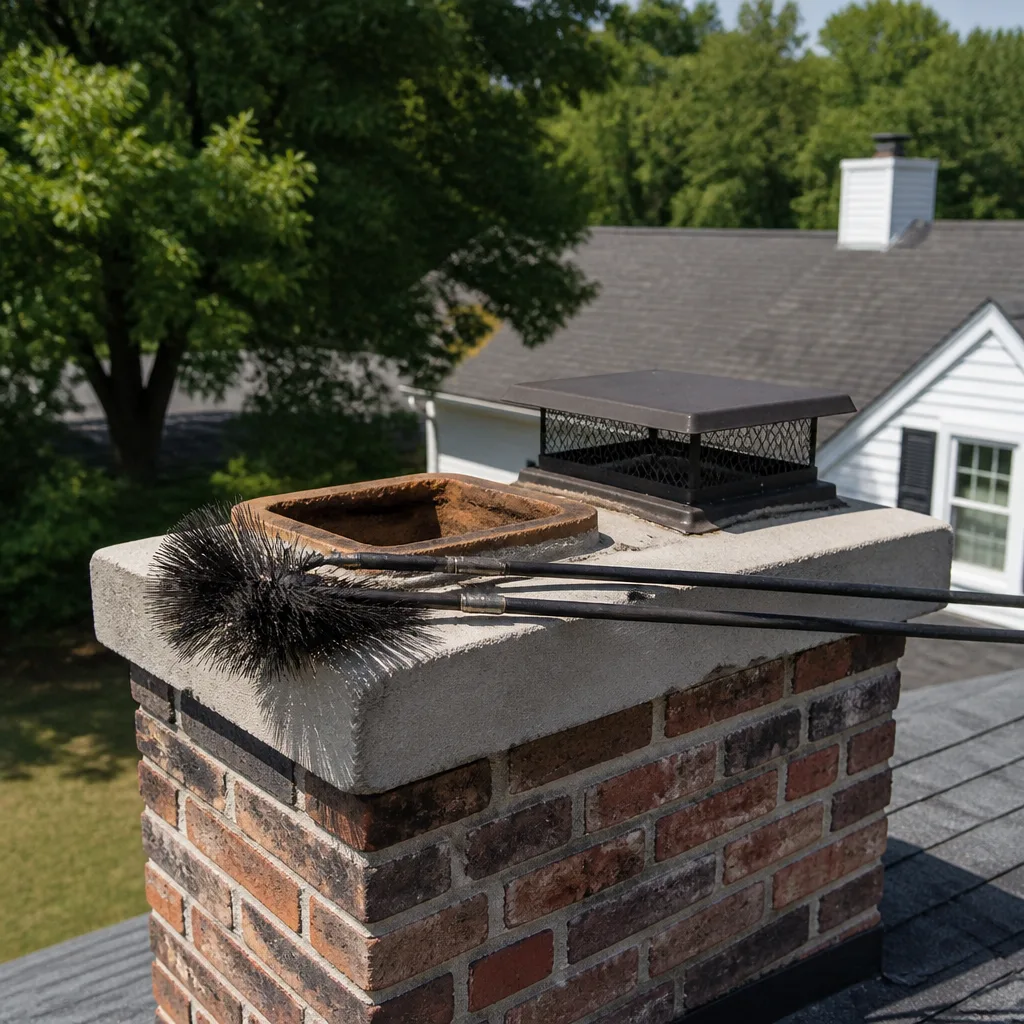 Sweep & inspection
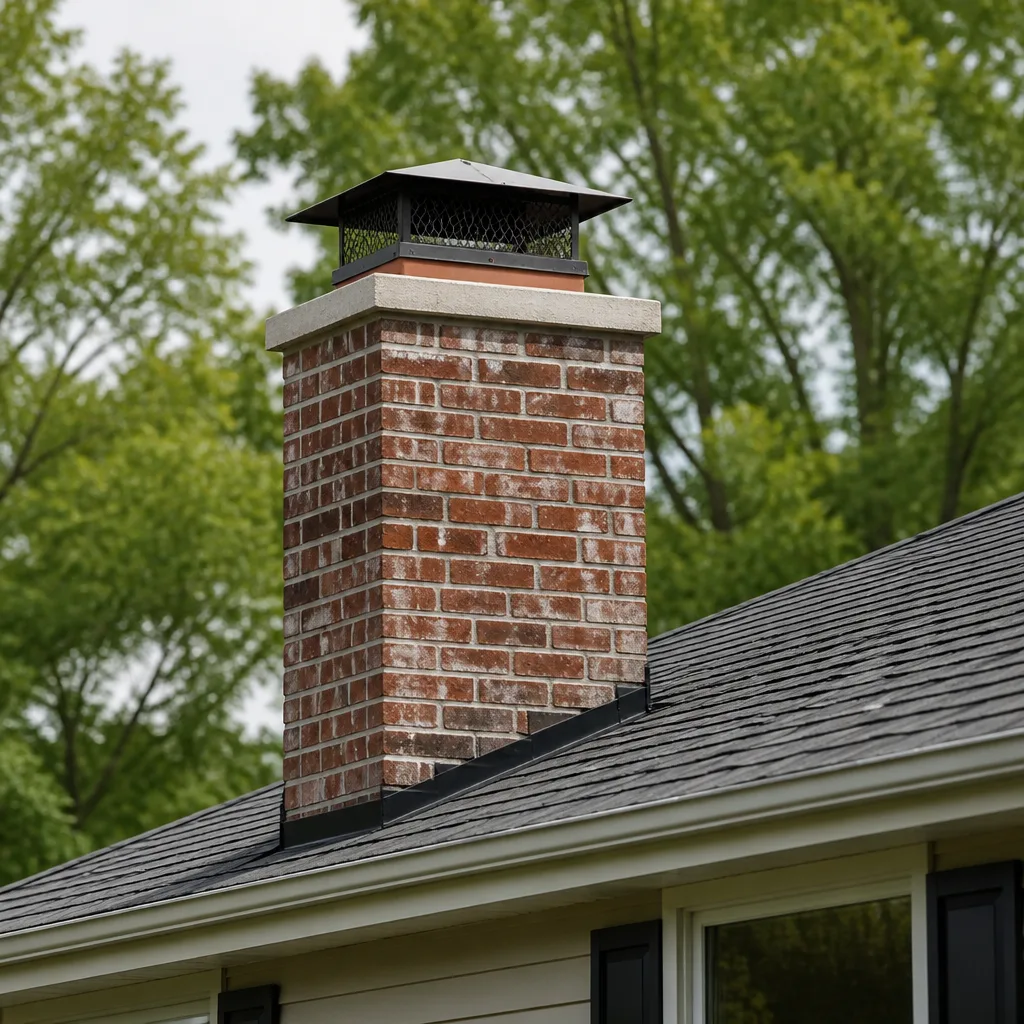 Caps & crowns
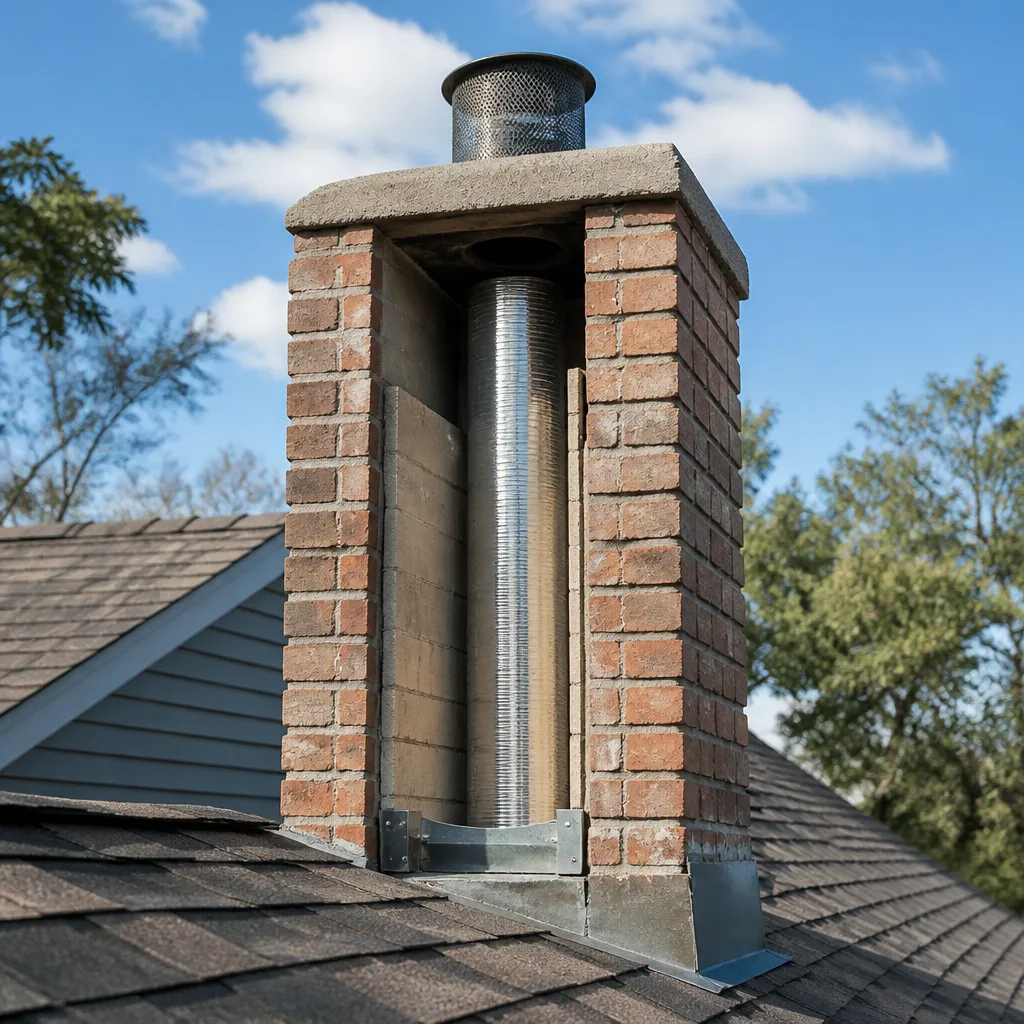 Flue relining
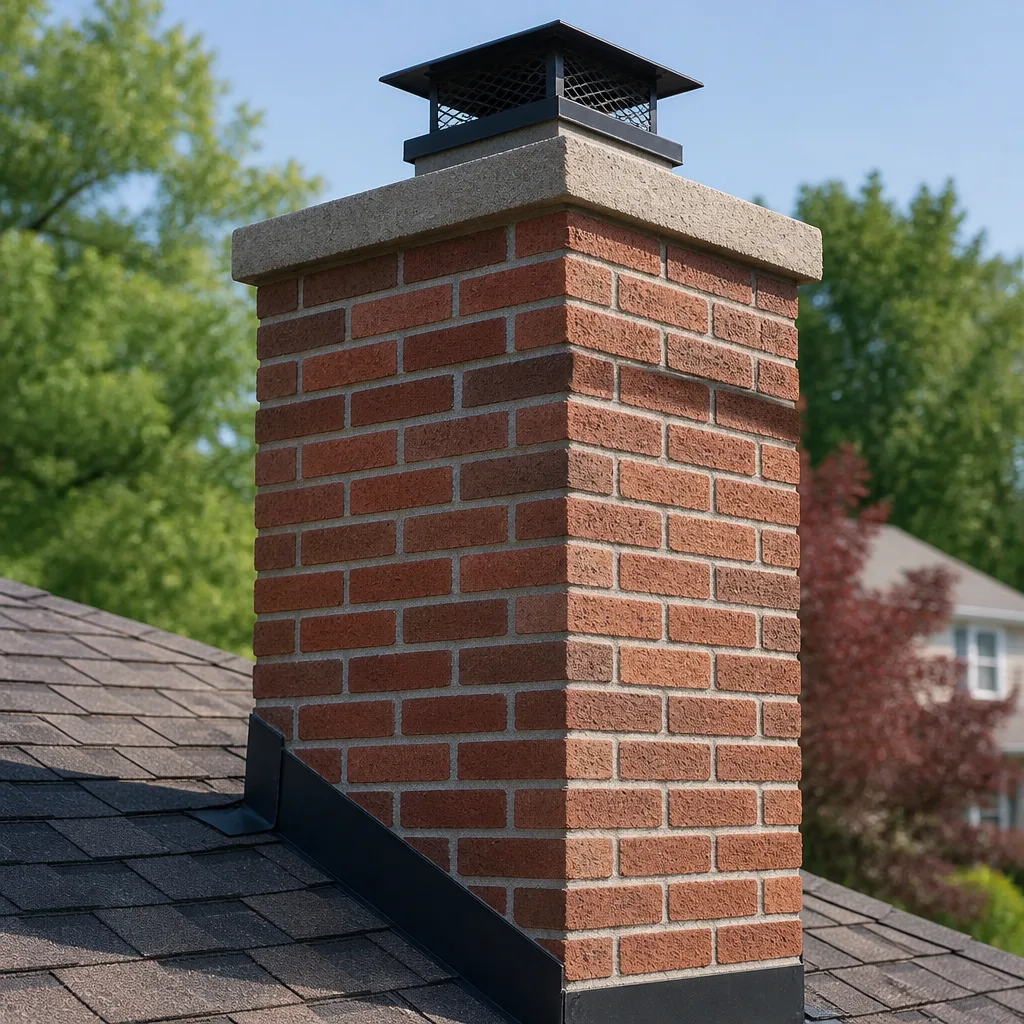 Masonry repair
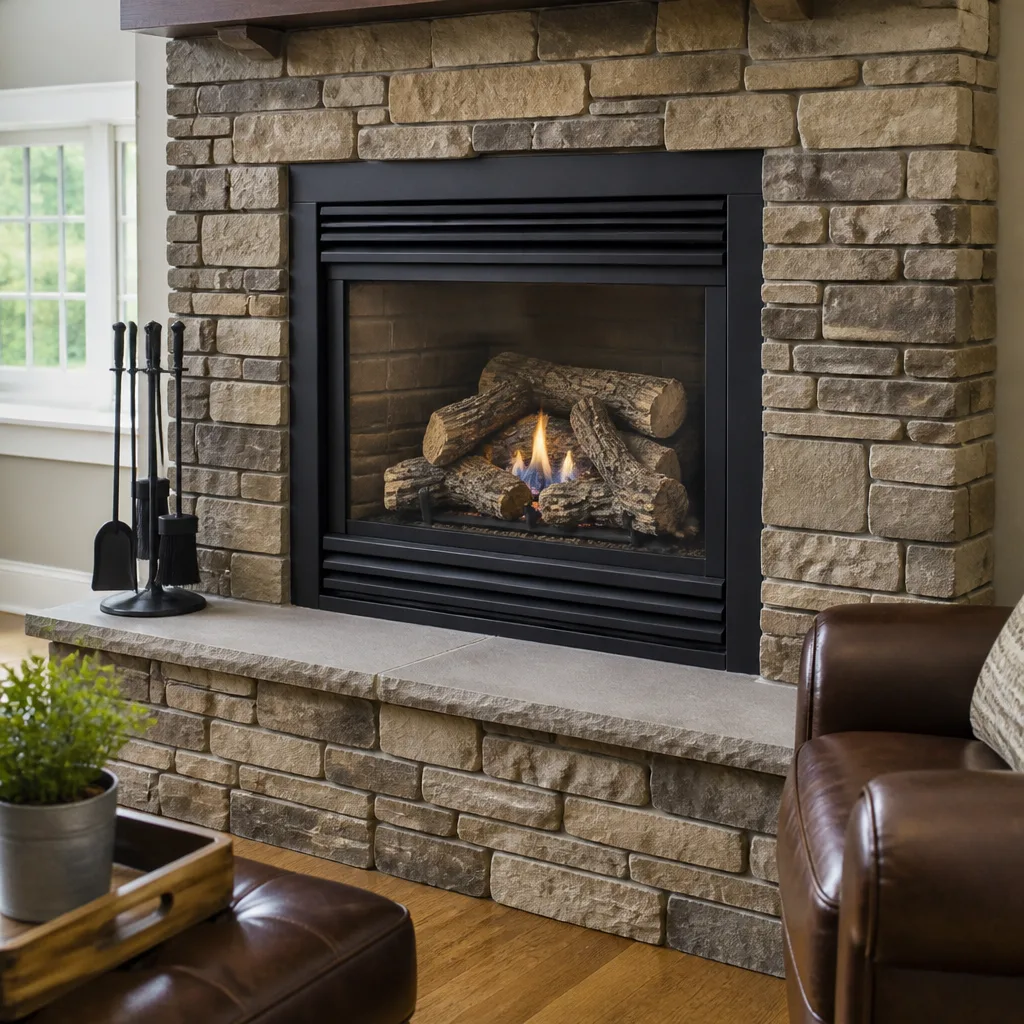 Gas fireplace service
Level 1 sweep and inspection to the NFPA 211 annual standard - flue, crown, cap, and flashing checked and photographed
Chimney sweep logs do not sweep chimneys. They loosen some creosote - which then falls where a brush and vacuum still have to collect it.
The Complete Guide to Chimney Cleaning in Lakewood
Most homeowners in Lakewood think about their chimney exactly once a year, usually the first cold evening when they strike a match. That’s the wrong moment. Chimney cleaning in Lakewood isn’t a fall chore you squeeze in before the first fire; it’s a diagnostic process that starts with the sweep and ends with a clear picture of what the whole flue system needs. Here’s the part most people miss: cleaning itself rarely changes anything. What changes is what the cleaning reveals. In this guide we’ll walk through how our dry, high-altitude climate shapes creosote, the difference between inspection levels, why the wood you burn matters so much here, and how to tell a real chimney company from a brush-and-flashlight operation. By the end you’ll know exactly what your chimney needs and when to call.
Quick Answer
Chimney cleaning in Lakewood is the process of removing creosote, soot, and debris from your flue, firebox, and smoke chamber, followed by an inspection that determines whether the chimney is safe to use. Because Lakewood sits at 5,440 feet with very low humidity and a long heating season, creosote can build up faster and in different forms than it does at lower elevations. A proper cleaning pairs a professional sweep with a Level 1 or Level 2 inspection, and an honest technician will tell you when no further work is needed.
Styles & brands we work with
- Sweep & inspection
- Caps & crowns
- Flue relining
- Masonry repair
- Gas fireplace service
Table of Contents
- Why Lakewood’s Climate Changes Chimney Cleaning
- Understanding Creosote: The Three Degrees
- Wood Type and What It Leaves Behind
- The Three Levels of Chimney Inspection
- What a Full Chimney Cleaning Actually Involves
- Beyond the Sweep: What a Full-Service Company Does
- Red Flags in a Chimney Cleaning Quote
- How Often Should You Schedule Cleaning?
Why Lakewood’s Climate Changes Chimney Cleaning
At 5,440 feet above sea level, Lakewood’s air is thin, dry, and often cold for much of the year. That combination does specific things to a chimney that homeowners moving from lower elevations don’t expect. The first thing to understand is that thin air holds less oxygen, so a wood fire in Lakewood burns somewhat differently than the same fire at sea level. Fires that smolder instead of burning hot produce more of the deposits that lead to creosote buildup.
Low humidity matters too. Our dry air means wood dries out fast on the surface but may hold moisture deeper in the split. Wood that reads dry on the outside can still smoke heavily once it hits the firebox, and that moisture drives creosote formation. A chimney in Lakewood can accumulate a surprising amount of buildup over a single season if the wood is marginal.
Then there’s the length of the heating season. In the Denver metro and Lakewood, residents often burn from October well into April, sometimes later. That’s five or six months of regular fires, which is simply more burn time than a homeowner in a milder climate logs. More burn hours means more deposit accumulation, and that changes how often a Lakewood chimney actually needs attention.
What should you take from all this? Two things:
- Don’t assume your chimney is clean just because last season’s fires felt normal. Smoldering fires don’t always announce a problem.
- Schedule your cleaning around your actual burn volume, not the calendar. A household that burns several times a week needs more frequent sweepings than one that lights a fire on holidays.
We’ve seen homes in neighborhoods like Belmar and along the Green Mountain slopes where a single heavy burn season produced noticeable glazed buildup, while an identical house a mile away with lighter use looked largely clean. The chimney tells the story; your habits write it.
Understanding Creosote: The Three Degrees
Every chimney cleaning conversation eventually comes back to creosote. It’s the byproduct of incomplete wood combustion, and it’s the primary reason chimneys need to be swept. Not all creosote is the same, and understanding the difference is central to understanding what your cleaning actually needs to accomplish.
First-Degree Creosote
This is the light, flaky, soot-like deposit that accumulates on flue walls and in the smoke chamber. It brushes away fairly easily with standard chimney cleaning tools. Most annual sweepings deal primarily with first-degree creosote, and it’s the least concerning form because it’s the most manageable.
Second-Degree Creosote
Second-degree creosote is denser, often appearing as a crusty or tar-like layer that clings to the flue. It doesn’t brush off cleanly; it typically requires more aggressive mechanical cleaning. In our experience, second-degree buildup is common in Lakewood homes that burn marginal wood or choke their fires down to stretch the burn. It shows up more in chimneys that see steady low-intensity fires than in ones that burn hot.
Third-Degree Creosote
Third-degree creosote is the glazed, hardened, tar-like coating that essentially fuses to the flue walls. Once a flue reaches this stage, standard brushing won’t remove it, and it’s the form most associated with chimney fire risk. A chimney liner in this condition often needs professional treatment or replacement. This is where specialized products come in. HeatShield ceramic resurfacing, for example, is designed to restore a damaged flue surface by applying a ceramic coating over the interior. It’s a technique that requires proper certification to apply correctly, and it’s a capability that separates a full-service chimney company from a basic sweep.
Creosote forms faster in cool, smoldering, oxygen-starved fires than in clean, hot ones. That’s the single lesson to take from everything above: burn hot, burn dry, and your chimney stays in a manageable state. Burn smoldering and wet, and you’ll graduate through the degrees faster than you’d expect.
Wood Type and What It Leaves Behind
The wood you burn shapes the deposit your chimney accumulates. In Lakewood, homeowners often burn a mix of seasoned hardwood and whatever softwood is available locally. Pine and other softwoods are common in the Colorado foothills, and they leave a different footprint in your flue than seasoned hardwood does.
Softwoods burn hot and fast but tend to produce more of the substances that form creosote, particularly when they burn too cool. Hardwoods like oak generally produce more heat per cord and leave less residue per BTU, but only if the wood is properly seasoned. The real determining factor isn’t pine versus oak; it’s moisture content. Wet wood of any type is the bigger problem.
Here’s a practical checklist for choosing what goes in your firebox:
- Season your wood properly. Split wood should cure for a full season before burning, ideally covered but well-ventilated.
- Check for moisture. Dry wood looks lighter, sounds hollow when knocked together, and shows cracks at the ends. If it hisses or sizzles, it’s too wet.
- Burn hot fires. Small, hot fires produce less creosote than long, smoldering ones. Don’t choke the air intake to stretch burn time.
- Don’t mix trash or treated lumber into the fire. These release chemicals and accelerate deposit buildup.
The practical takeaway: whatever wood you burn, if it’s wet or your fires are smoldering, expect faster accumulation. A yearly inspection is the only reliable way to know what your particular wood habits are doing to your flue, because the buildup isn’t visible from the firebox.
The Three Levels of Chimney Inspection
A chimney cleaning should trigger an inspection. But not every inspection is the same, and knowing which level applies to your situation helps you understand what you’re paying for. There are three recognized levels, and each fits specific circumstances.
Level 1 Inspection
A Level 1 is the basic visual inspection. The technician examines readily accessible portions of the chimney, including the firebox, damper, and visible flue, usually with a flashlight. It’s appropriate when you’re having a routine sweep and the chimney has a known, stable history with no changes. No special tools are needed, and it’s the standard complement to an annual cleaning.
Level 2 Inspection
A Level 2 goes deeper. It includes everything in a Level 1 plus inspection of accessible portions using specialized tools, often including a video camera to look inside the flue. A Level 2 is triggered by a change in how the chimney is used, a change in ownership, or after an event like a chimney fire. In Lakewood, we recommend a Level 2 whenever you’ve moved into a new home, because you have no way of knowing how the previous owner burned or how much buildup has accumulated inside a flue you’ll be relying on for safety.
Level 3 Inspection
A Level 3 is the most thorough, often involving access to concealed areas of the chimney structure. It’s typically only warranted when a Level 2 reveals a serious problem that requires opening up the chimney. Most homeowners will never need one, but if a technician recommends a Level 3, ask to see the evidence from the earlier inspection that justifies it.
- Level 1: Routine cleaning, no known problems.
- Level 2: New home, change of fuel or appliance, after a chimney fire, or when the flue hasn’t been checked in a while.
- Level 3: Serious structural or flue issue that needs closer access.
The level matters because it determines how well you understand what’s inside your chimney. A standalone inspection is a legitimate service on its own, and a company that offers it without pressure is telling you something about how it operates.
What a Full Chimney Cleaning Actually Involves
Understanding the steps of a professional cleaning helps you recognize when the work is being done right. A thorough sweep isn’t a five-minute brush-and-go. Here’s how a proper cleaning typically unfolds:
- Set up and protect the space. The technician lays drop cloths and sets up a vacuum system to capture dust and soot. Nothing should travel into the room.
- Inspect before cleaning. The technician visually inspects the firebox, damper, and accessible flue to note existing condition and check for obvious problems.
- Sweep the flue. Using properly sized brushes, the technician cleans the flue from top to bottom, following the shape and dimensions of your chimney.
- Clean the firebox and smoke chamber. Soot and creosote accumulate here too. The smoke chamber, which is often overlooked by quick crews, needs attention.
- Clear the damper and connections. Any obstructions or blockages are removed.
- Vacuum and clean up the surrounding area. A clean job site is part of the job.
- Perform the inspection. After cleaning, the technician reports what was found and whether the chimney is safe to use.
This last step is the important one. A sweep that ends without a clear report is a sweep that stopped halfway. The cleaning itself is the easy part for a competent professional; knowing what the cleaning reveals and explaining it honestly is what you’re paying for.
If your chimney connects to a fireplace repair that needs attention, that inspection is also the moment when it surfaces. A good technician will not clean a chimney and ignore a failing damper or a cracked firebox next to it.
Beyond the Sweep: What a Full-Service Company Does
The cleaning is the starting point. What happens after the sweep is where a full-service chimney company and a one-truck sweep crew part ways. A company built to handle every chimney service in one call can take the diagnostic result and act on it, without sending you off to find a second contractor for the repair.
Chimney Repair
If your inspection reveals a cracked flue liner, deteriorated masonry, or a failing chimney structure, that’s repair work. A full-service company brings the right professional-grade materials to the job. A DuraFlex liner system, for instance, is a stainless steel liner designed for open masonry chimneys and can be installed as a permanent relining solution. When a flue is beyond resurfacing, this is an option. Choosing the right product matters, and a company that works with recognized product lines knows which material fits which repair.
Fireplace Repair
Fireboxes, dampers, and fireplace surrounds take a beating over a long Lakewood burn season. A fireplace repair addresses these components before they become a safety problem. A sweep that identifies a faulty damper should be able to fix it, not just hand you a report.
Chimney Cap & Crown
The cap and crown protect the chimney from the top down, keeping water, animals, and debris out of the flue. A chimney cap & crown installation is a preventive service, and it’s one of the most effective ways to extend the life of a chimney system. Water is a chimney’s worst enemy, and a failing crown is a direct path for moisture into the masonry. Getting the cap and crown right protects everything below it.
This top-down, whole-system view is what we mean when we say our work runs from the firebox to the crown. When you book a chimney sweep, you should be dealing with people who can handle what the sweep reveals, whether that’s a routine cleaning or structural work discovered along the way. That’s why Lakewood Chimney Sweep Co is built around five core services under one roof: chimney sweep, chimney inspection, fireplace repair, chimney repair, and chimney cap and crown installation. One call, every chimney service.
Red Flags in a Chimney Cleaning Quote
Not every chimney quote is written by someone qualified to deliver on it. An undertrained or underequipped contractor will often give themselves away before the work begins. Watch for these red flags when you’re evaluating a quote:
- No inspection included. A quote that only mentions cleaning and says nothing about inspecting and reporting is a quote from someone who probably can’t identify a problem if they find one.
- Immediate pressure to buy a liner. A liner replacement is sometimes necessary, but it should follow a documented inspection, not lead the conversation. If the first thing you’re told is that you need a new liner, ask to see the evidence.
- No mention of camera equipment for a Level 2. A proper Level 2 inspection uses a camera. A “visual check” with a flashlight isn’t the same thing.
- Brush-and-flashlight setup. If the entire operation fits in one small bag and nobody uses a vacuum system, you’re getting a quick brush, not a cleaning.
- Killdeer pricing and a hard upsell. Wide, unverifiable price swings followed by a pitch for major work are a sign the quote was built to create pressure, not deliver a cleaning.
- No written report. You should leave the appointment with a clear account of what was found and what (if anything) should be done next.
- Unwillingness to say “you’re fine for now.” The best sign of an honest chimney contractor is one who tells you when no extra work is needed.
Compare any quote against these markers and you’ll quickly separate a professional operation from a sales pitch. Trust comes from evidence, not urgency.
How Often Should You Schedule Chimney Cleaning?
The honest answer is that frequency depends on how you burn. The widely used rule of thumb is to have the chimney swept annually, but that rule assumes average use. In Lakewood, where many households burn heavily for five or six months, some chimneys need more attention than an annual visit. Others, in homes used only occasionally, may safely wait.
Here’s how to think about scheduling:
- Annual sweep and inspection: The baseline for any actively used wood-burning chimney. This catches buildup before it becomes a problem.
- More often if you burn hard: Households that burn most nights through the season should consider an inspection at least once a year and possibly mid-season if they’re concerned about buildup.
- Before you use a chimney you didn’t maintain: A new homeowner should have a Level 2 inspection before the first fire. You can’t assume the previous owner kept up with maintenance.
- Gas fireplaces: Still require an inspection, though less frequently than wood-burning flues. Blockages and connection issues can develop even without creosote.
We’ve seen enough Lakewood chimneys to know the calendar alone is a poor guide. A home burning oak every night from October to April can look very different inside the flue than the house next door that lights a fire on weekends. Let an inspection, not a date, tell you when the next cleaning is due.
Common Mistakes to Avoid
- Burning wet or unseasoned wood. Moisture is the primary driver of creosote buildup in Lakewood’s dry climate. Wood that hisses in the fire is too wet to burn cleanly.
- Assuming a cleaning found no problems means no problems. A sweep that never includes an inspection misses what the cleaning can’t see. Ask for the report.
- Choking the fire down to make it last. Smoldering fires are the fastest route to heavy creosote. A hot, clean burn is safer and cleaner for the flue.
- Ignoring a chimney you’ve never used. An unused flue can collect animal nests, debris, and water damage. It still needs inspection before you light a fire.
- Skipping maintenance after moving in. A new home’s chimney is an unknown quantity. Level 2 inspection first, then decide.
- Hiring on price alone. The lowest quote is often the shortest cleaning. A properly equipped crew costs what it costs because it does the full job.
- Waiting for smoke or smell to prompt a call. By the time a chimney shows obvious symptoms, the buildup has usually been developing for a while. Proactive inspection catches it earlier.
See the difference
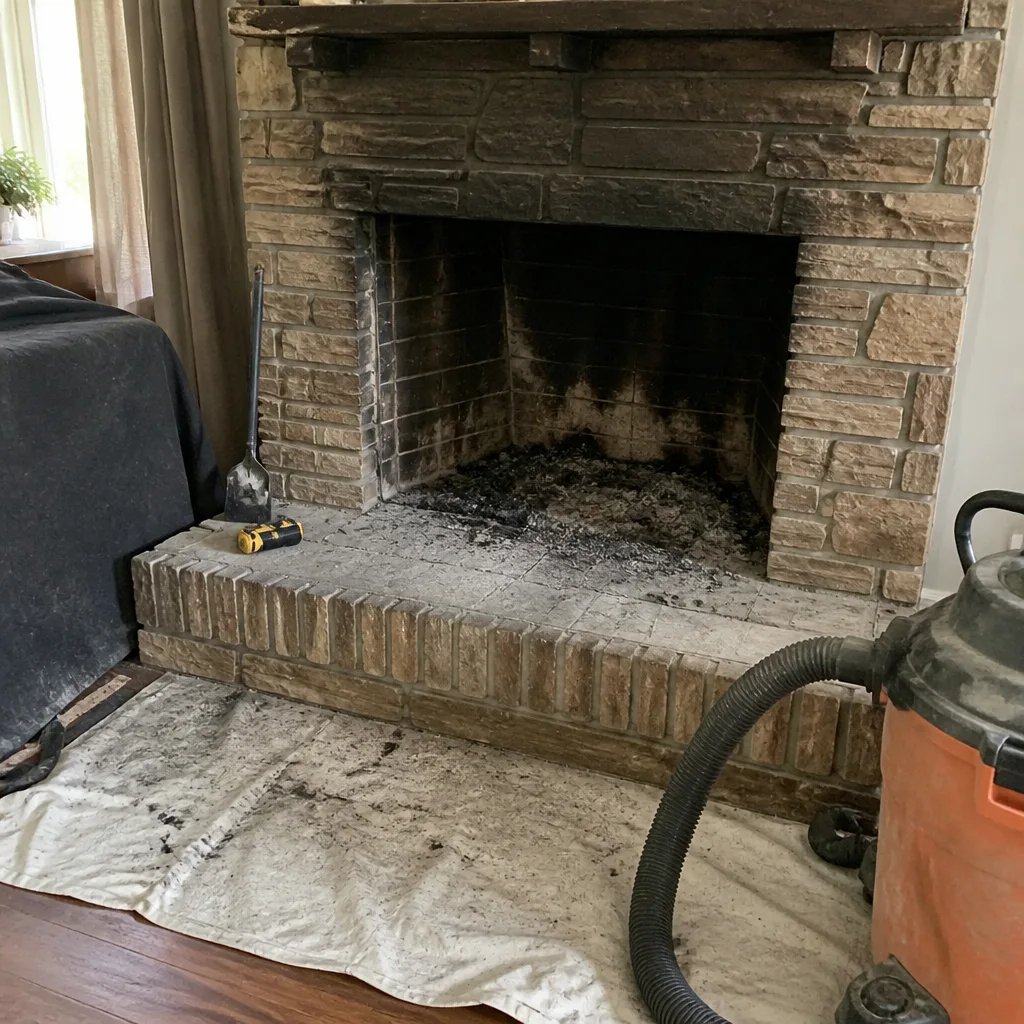 Before
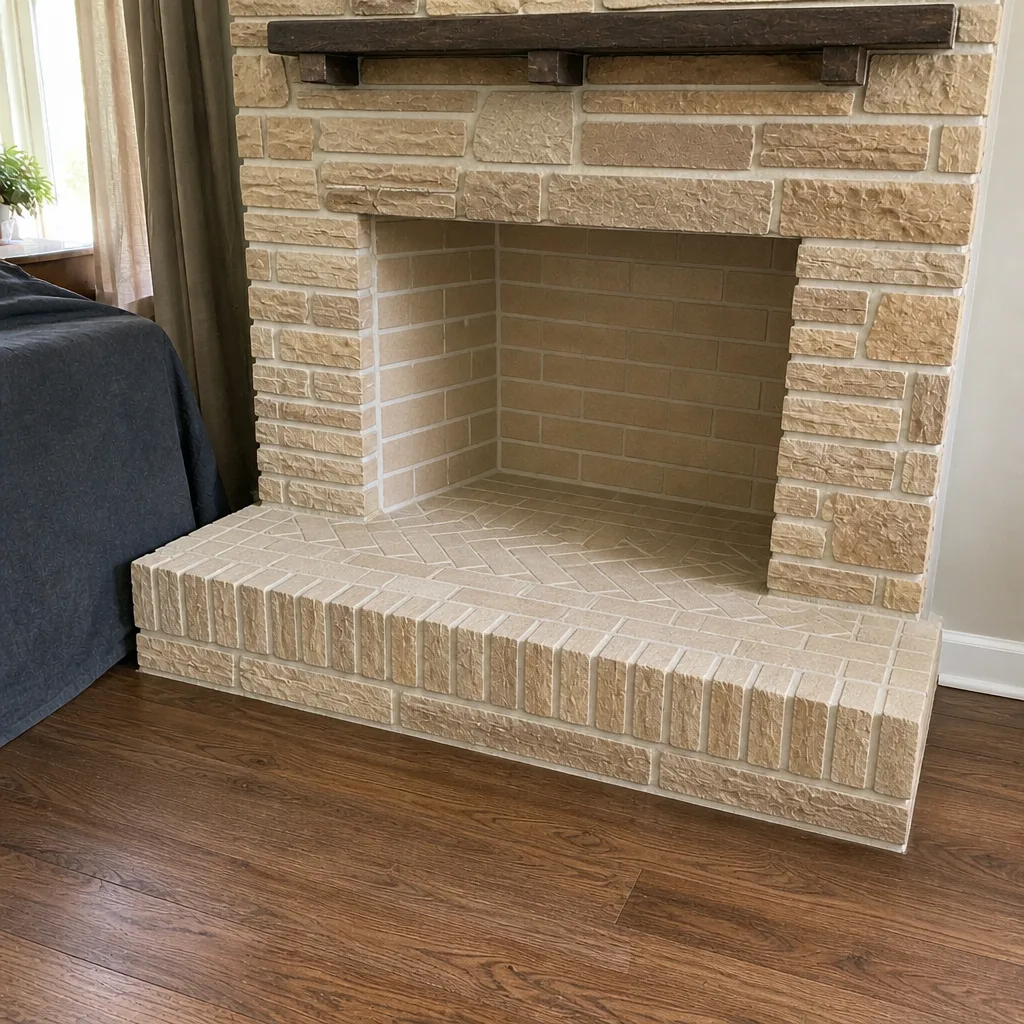 After
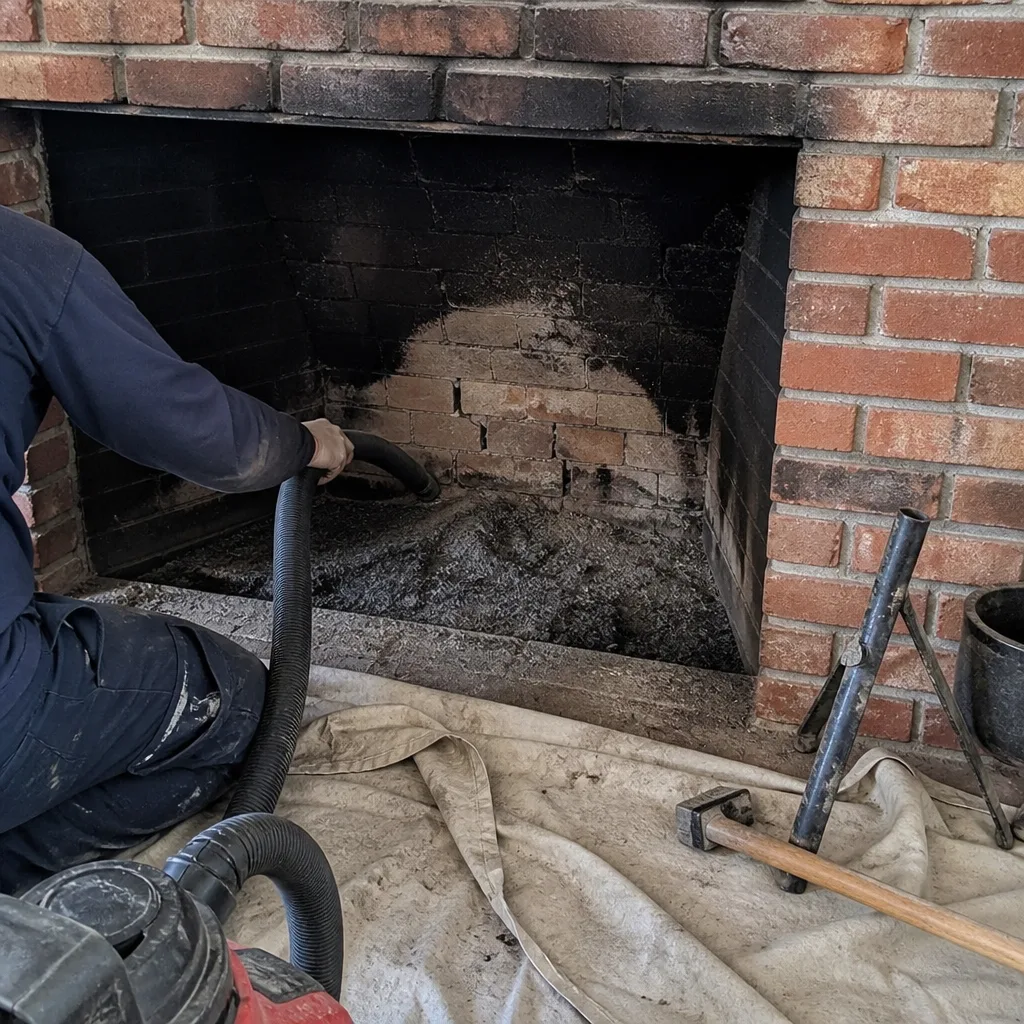 Before
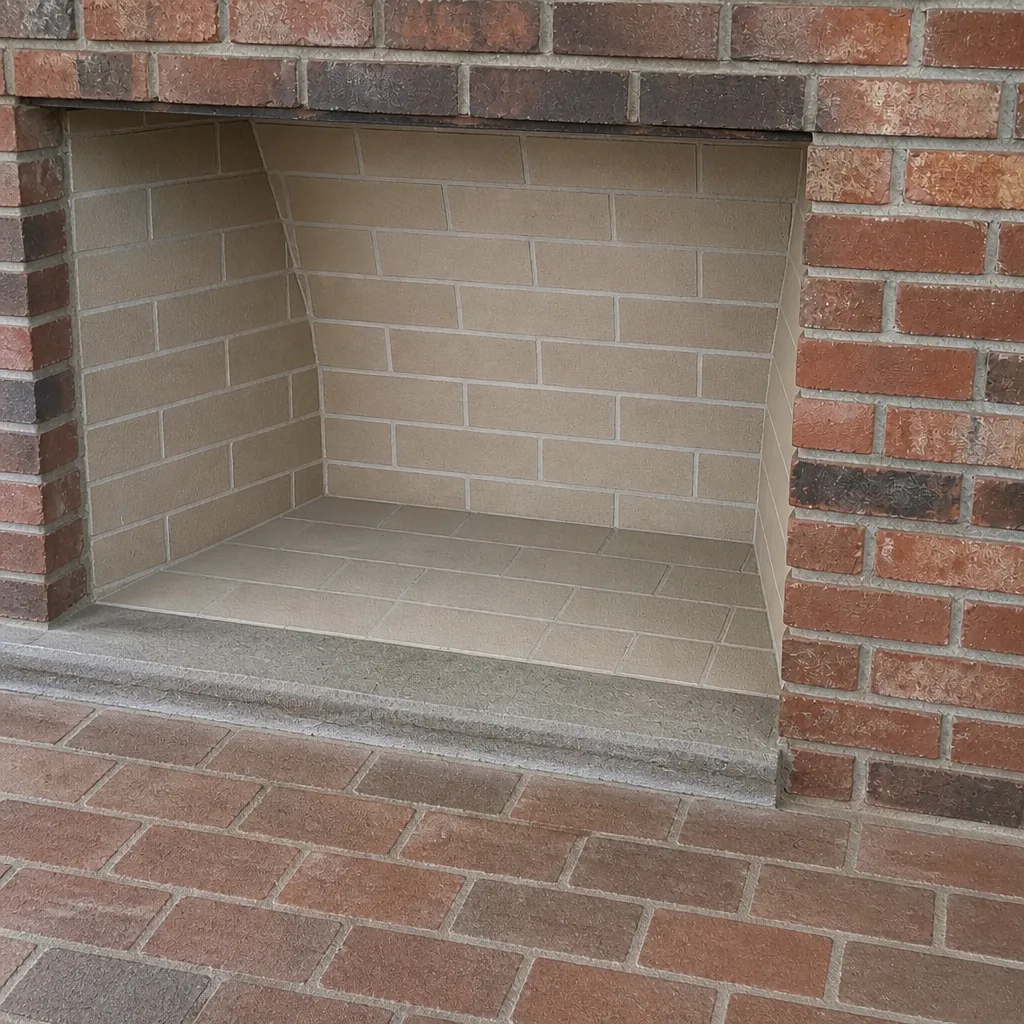 After
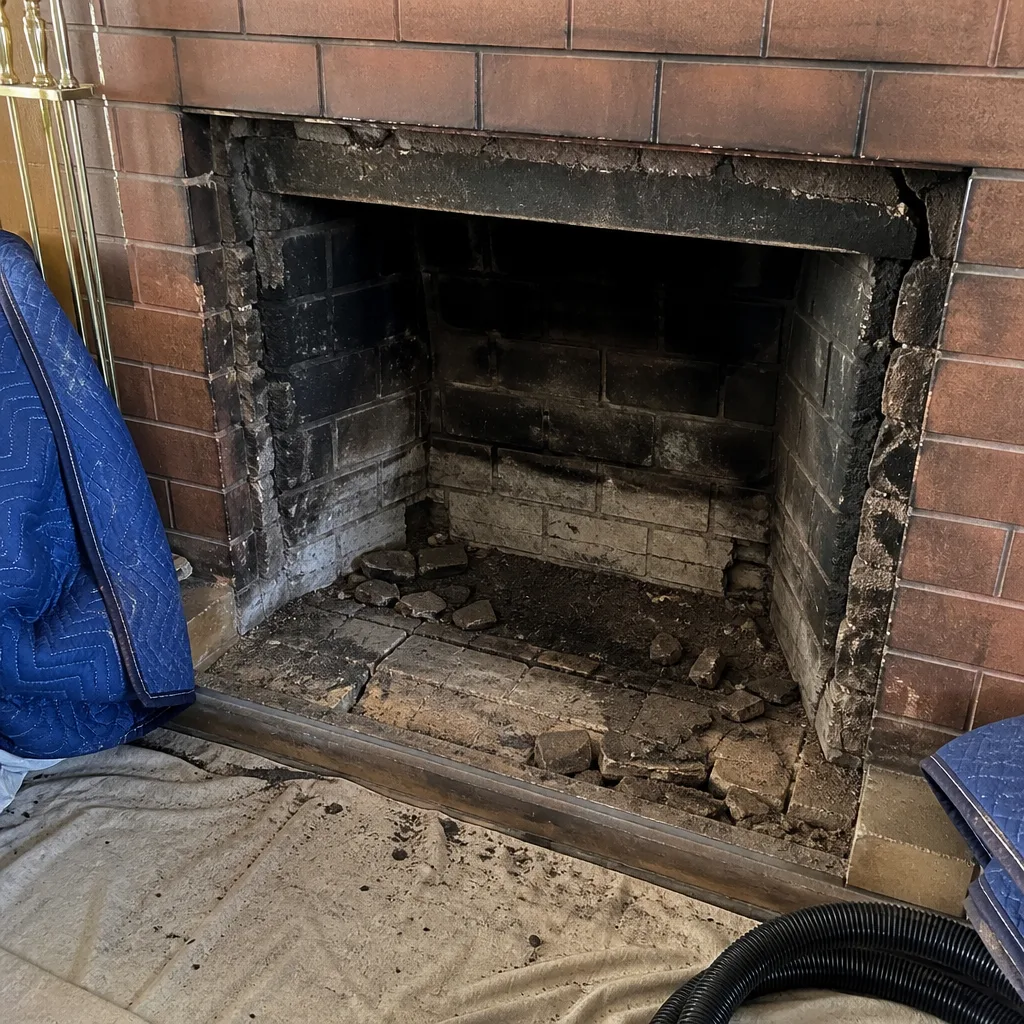 Before
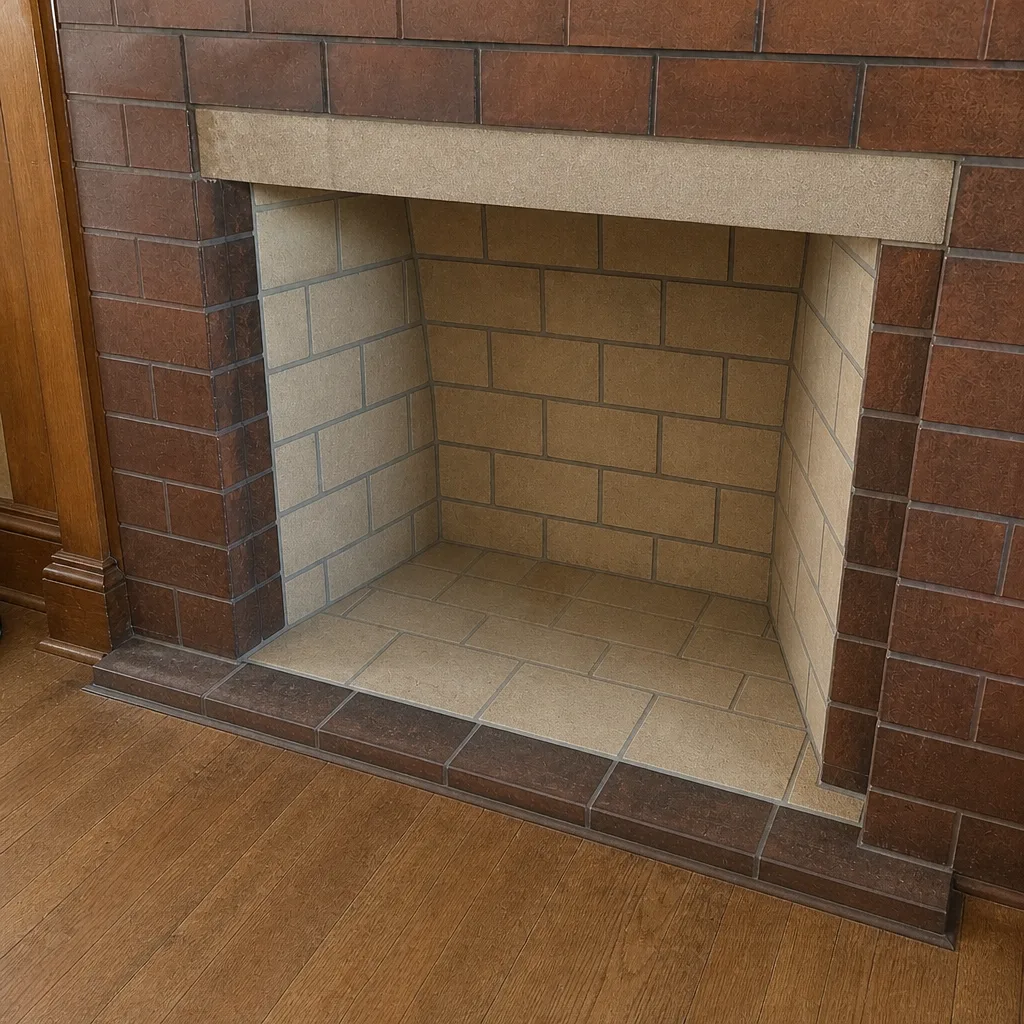 After
When to Call a Professional
Some chimney situations call for a professional immediately, not at your convenience. Call us if you notice creosote buildup that’s crusty or glazed rather than flaky, because that’s beyond what you can safely remove yourself. Call if you smell smoke inside the house when the fireplace isn’t lit, or if smoke backs into the room when you burn. Call if your damper won’t open or close properly, if the masonry is cracked or crumbling, or if you’re buying or moving into a home with a chimney you’ve never inspected. And call if you simply don’t know the last time the chimney was cleaned. That uncertainty is the most common reason we get called. Lakewood Chimney Sweep Co offers free estimates in Lakewood. Call (866) 937-7920. We answer 24/7. Fast dispatch from 7am to 7pm, Sunday through Friday.
Frequently Asked Questions
Chimney cleaning in Lakewood typically runs in the range that a proper sweep plus a Level 1 inspection commands, and the exact figure depends on the chimney and the level of inspection needed. You’ll get a free estimate that spells out the price before any work begins, and the written estimate sets the final price. Call (866) 937-7920 for an exact quote. Estimates are free.
Yes. A Level 2 inspection is the appropriate starting point for any chimney you haven’t maintained yourself, because it uses a camera to see inside the flue and reveals buildup or damage a flashlight can’t show. It’s how you avoid inheriting an unknown problem. Call (866) 937-7920 to book one.
Once a year is the baseline for an actively used wood-burning chimney, but Lakewood’s long heating season and heavy burn habits mean some homes need attention more frequently. A yearly inspection tells you exactly when the next cleaning is due. Call (866) 937-7920 for an assessment.
Creosote keeps accumulating, especially when fires smolder in Lakewood’s thin, dry air, and heavier deposits raise the risk of a chimney fire. What starts as manageable flaky buildup can progress to glazed, hardened creosote that damages the flue lining. Regular cleaning catches it while it’s still simple to remove. Call (866) 937-7920 for an inspection before the season.
Not always. HeatShield ceramic resurfacing is a repair technique for a deteriorated flue surface, not a substitute for every liner problem. Whether it fits your chimney depends on the inspection findings, and a full-service company will specify the right product for the repair rather than defaulting to a new liner. Call (866) 937-7920 to find out what your flue needs.
Yes, though less frequently than a wood-burning flue. Gas fireplaces don’t produce creosote, but their vents can collect debris and need inspection for connection and blockage issues. A gas appliance should still be checked before each heating season. Call (866) 937-7920 for an inspection.
The Bottom Line
Chimney cleaning in Lakewood is a diagnostic process, not a chore to squeeze in before the first fire. The sweep removes what’s there; the inspection tells you what it means. In our thin, dry high-altitude air, with a long burn season and a lot of softwood in the woodpile, creosote accumulates faster and in more serious forms than many homeowners expect. The fix is straightforward: burn dry wood, burn hot, inspect every year, and deal with what the inspection finds while it’s still simple. From the firebox to the crown, Lakewood Chimney Sweep Co works with professional-grade product lines and stands behind the work it does. Our technicians have up to 11 years of experience.
When you’re ready to have your chimney truly looked after, call Lakewood Chimney Sweep Co at (866) 937-7920 for a free estimate. A safe chimney isn’t a luxury; it’s the job.
Written by the team at Lakewood Chimney Sweep Co.