
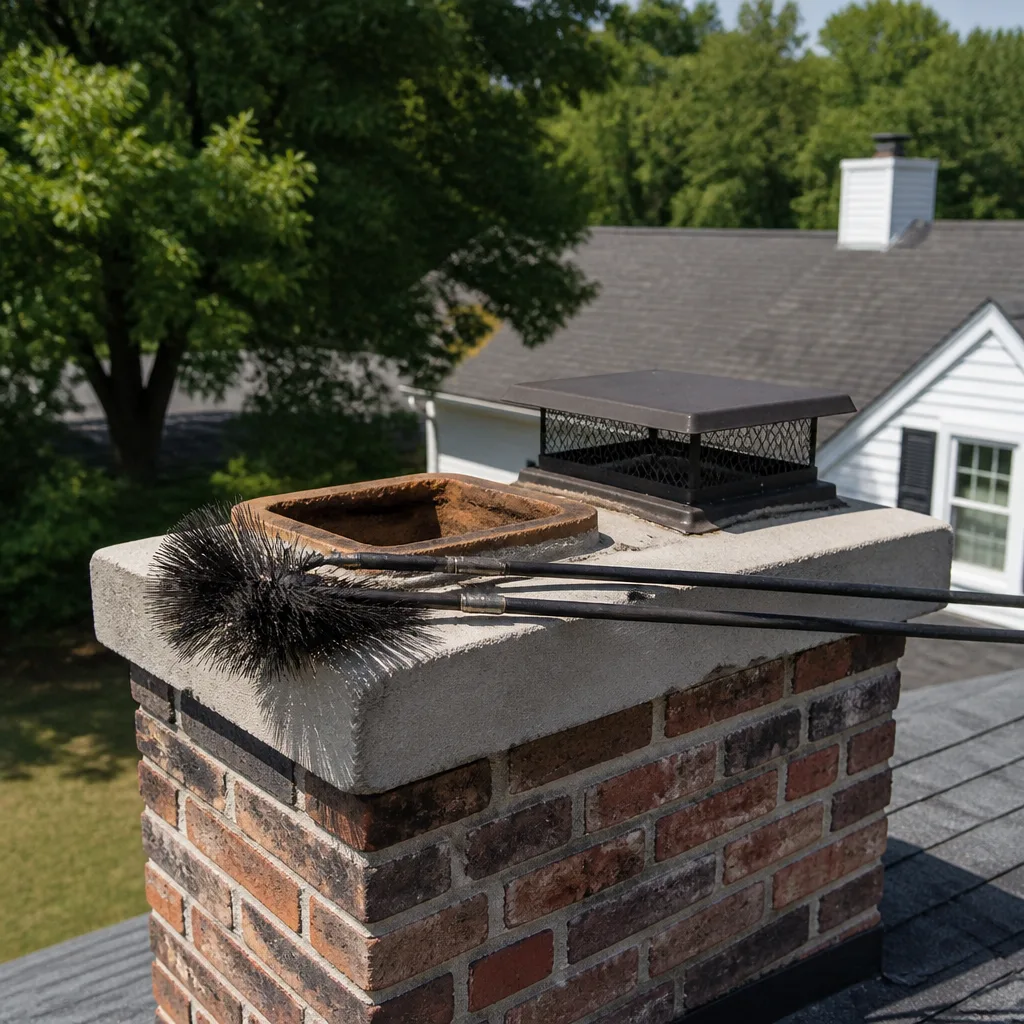
 Sweep & inspection
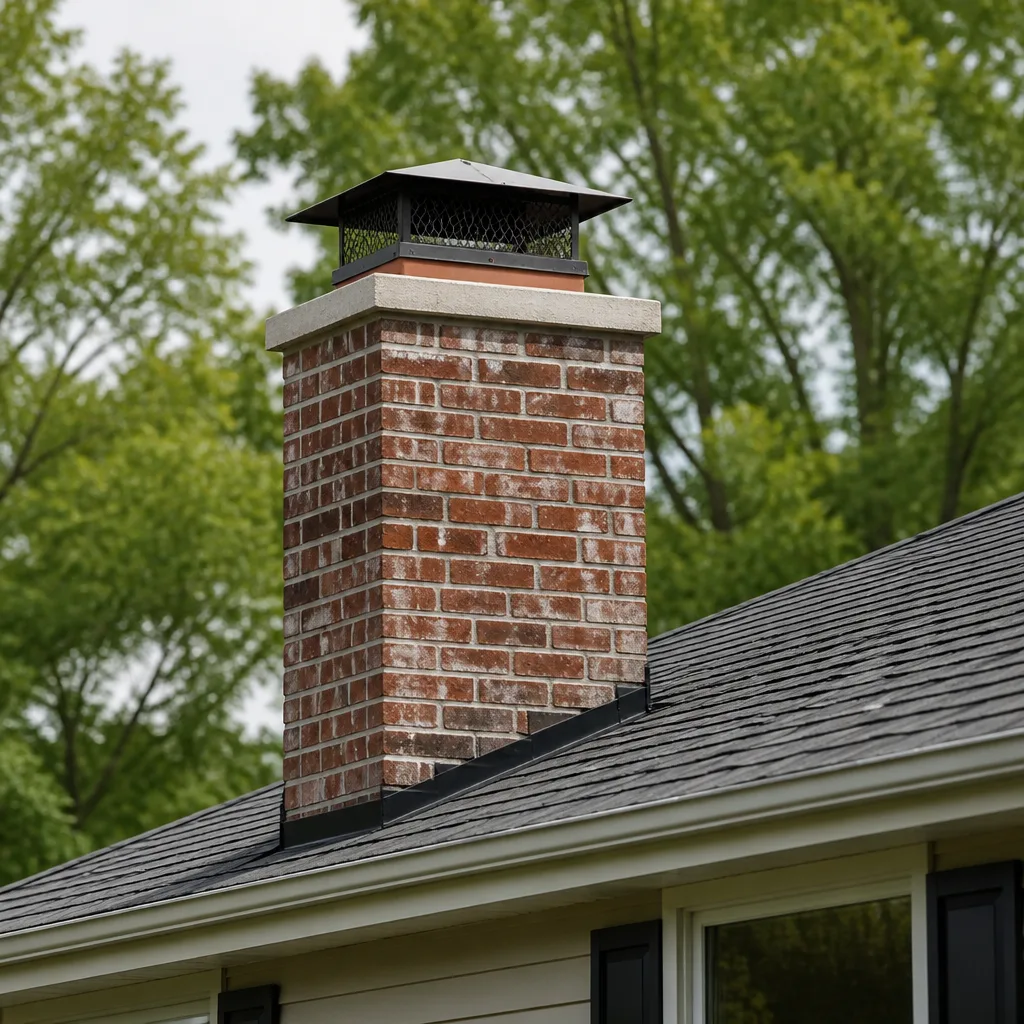 Caps & crowns
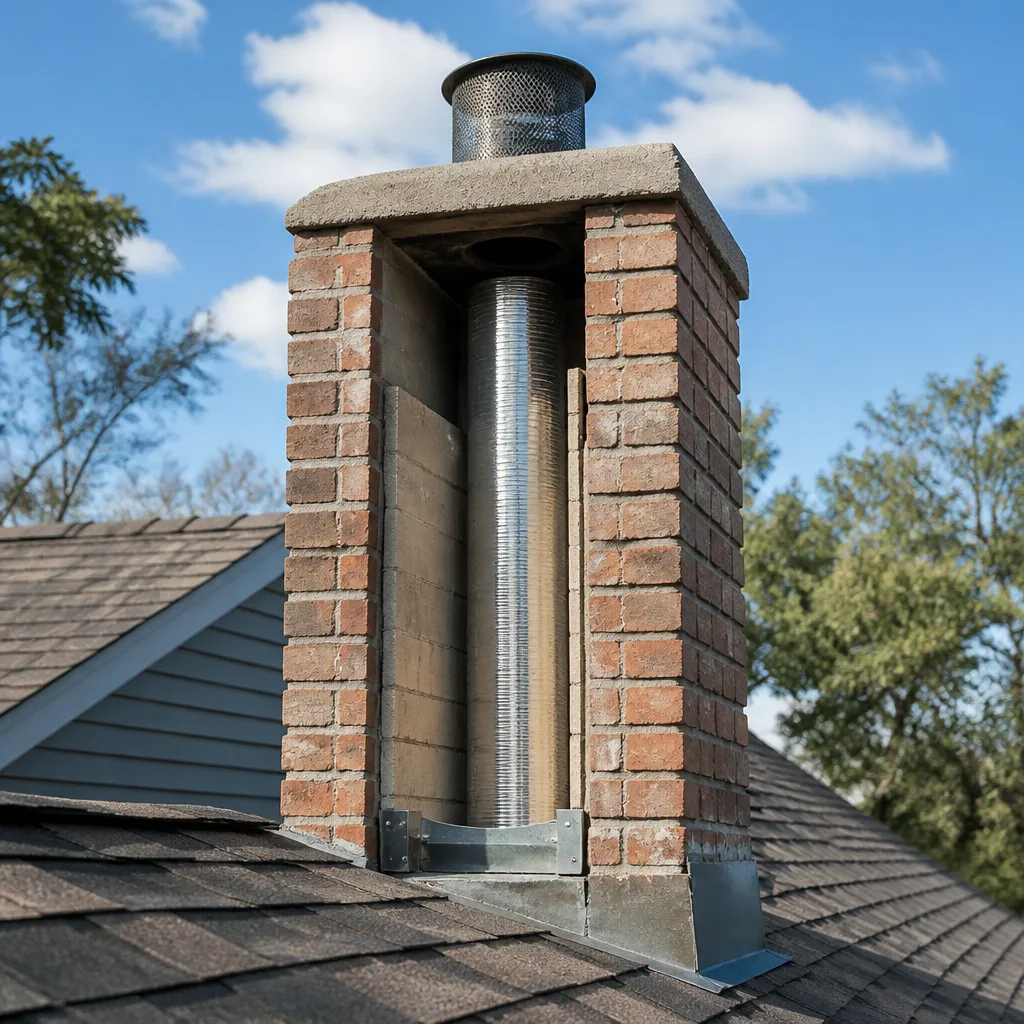 Flue relining
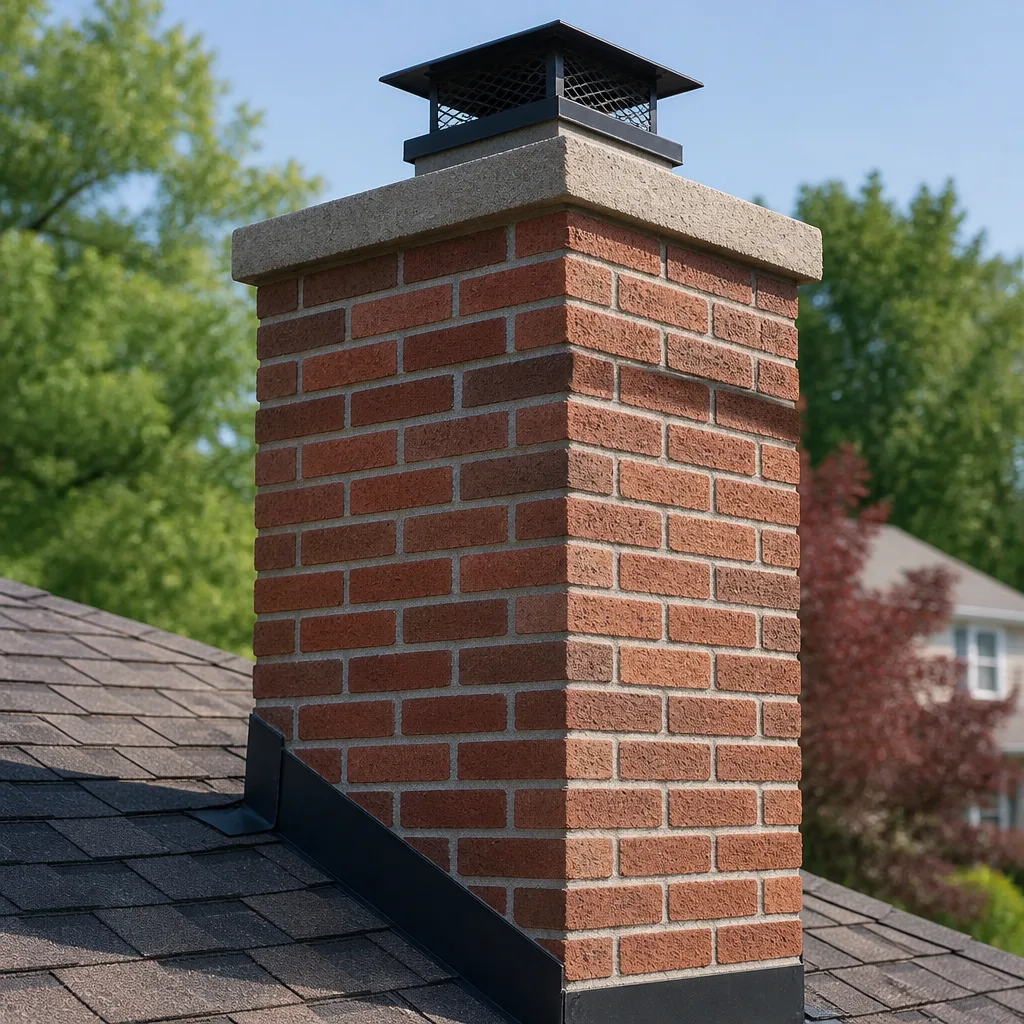 Masonry repair
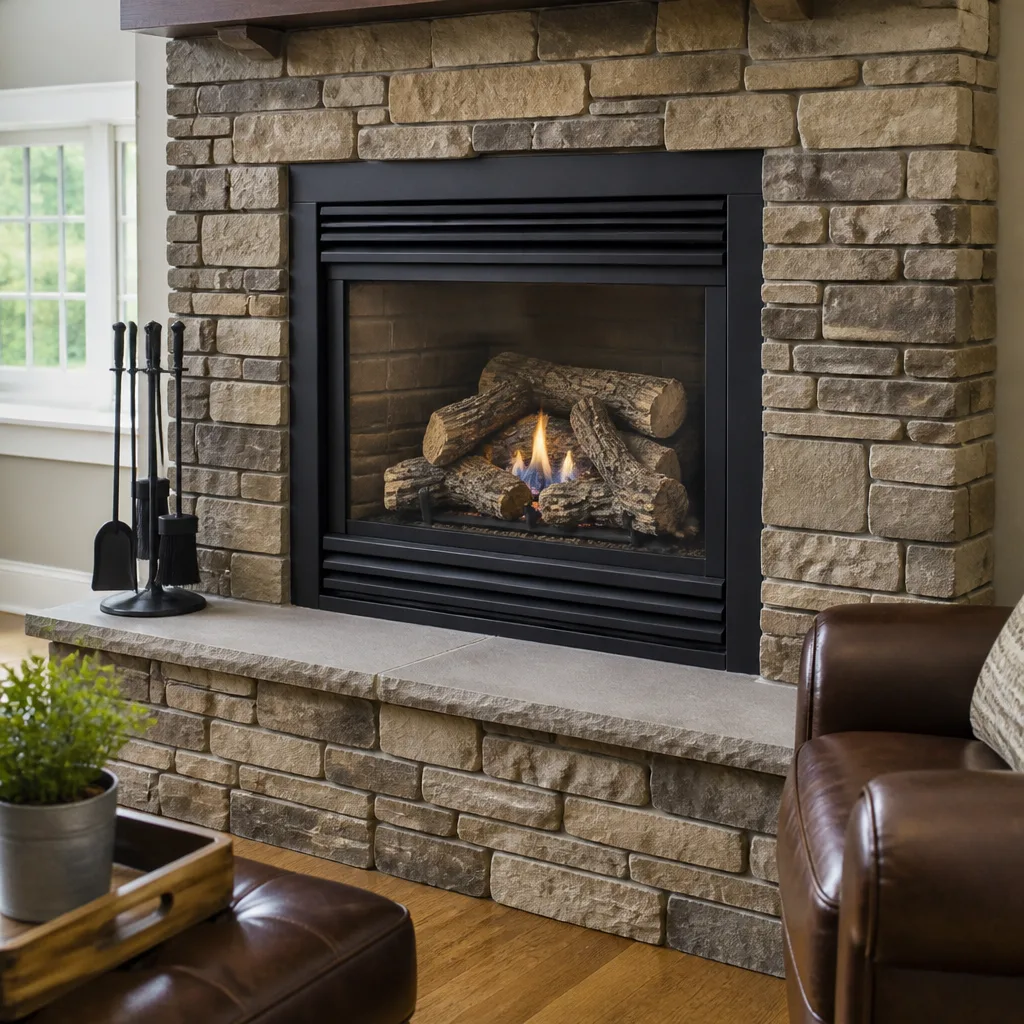 Gas fireplace service
Level 1 sweep and inspection to the NFPA 211 annual standard - flue, crown, cap, and flashing checked and photographed
Chimney sweep logs do not sweep chimneys. They loosen some creosote - which then falls where a brush and vacuum still have to collect it.
Styles & brands we work with
- Sweep & inspection
- Caps & crowns
- Flue relining
- Masonry repair
- Gas fireplace service
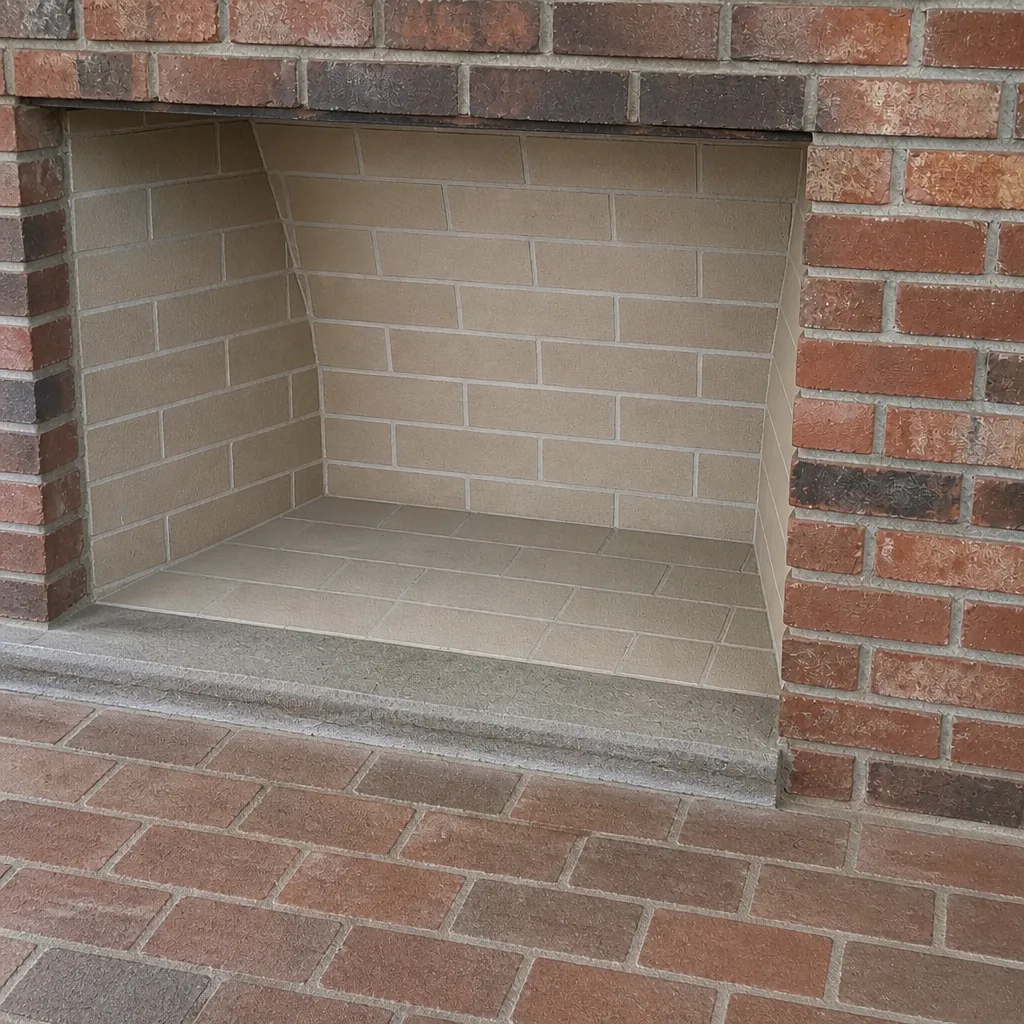
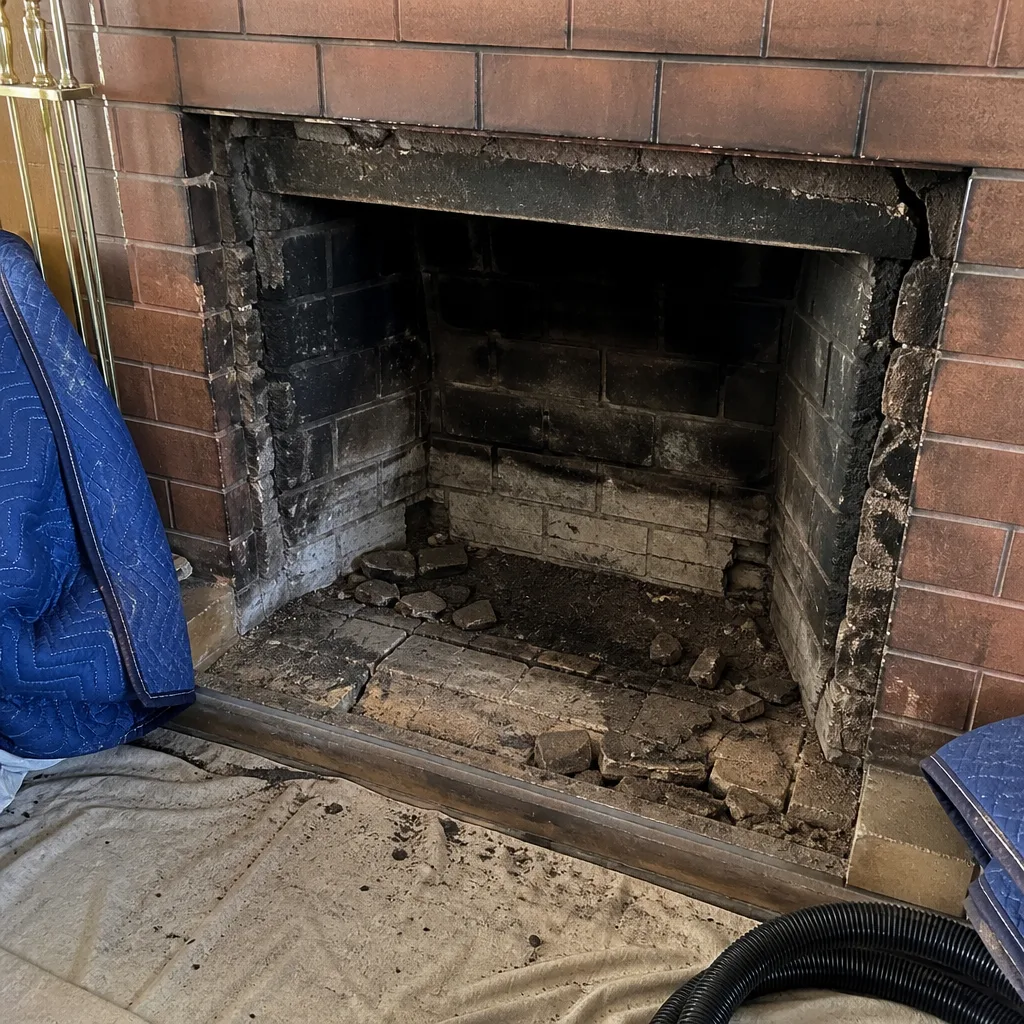
See the difference
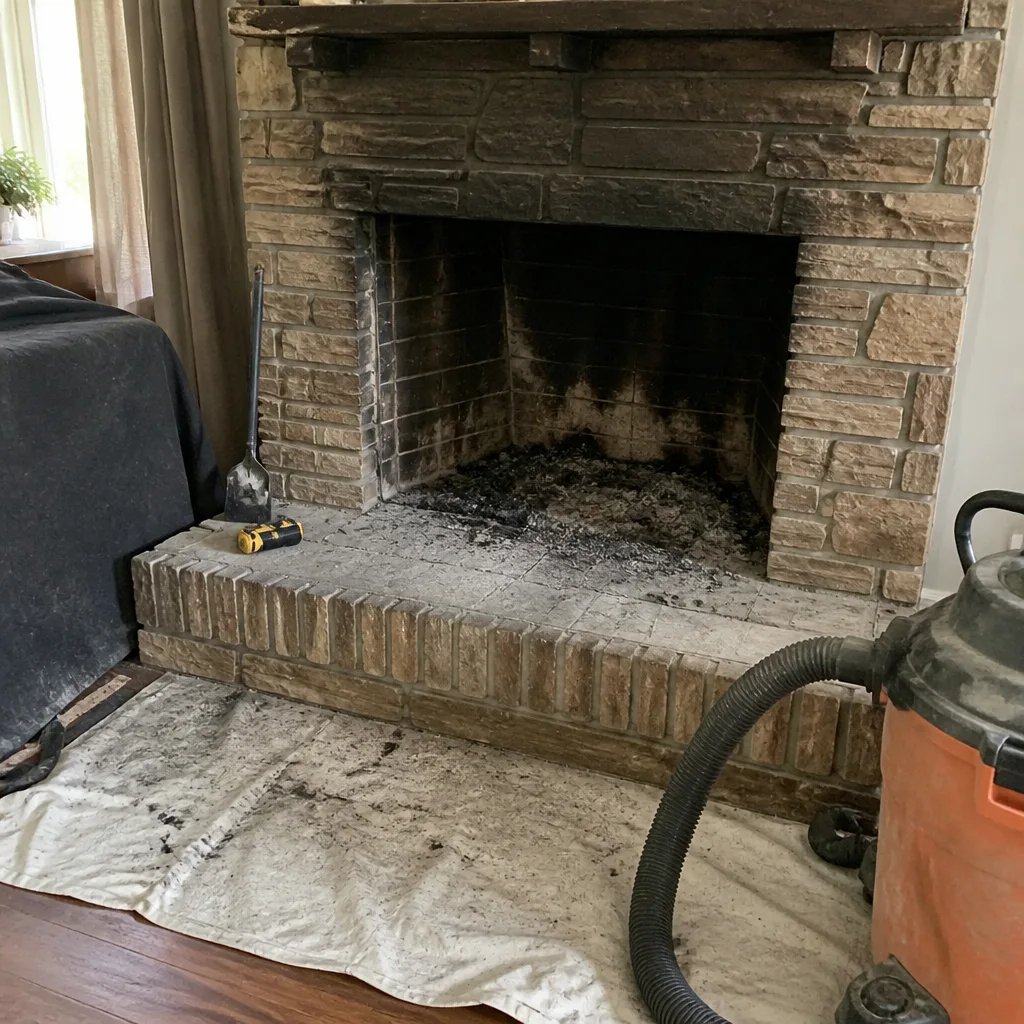 Before
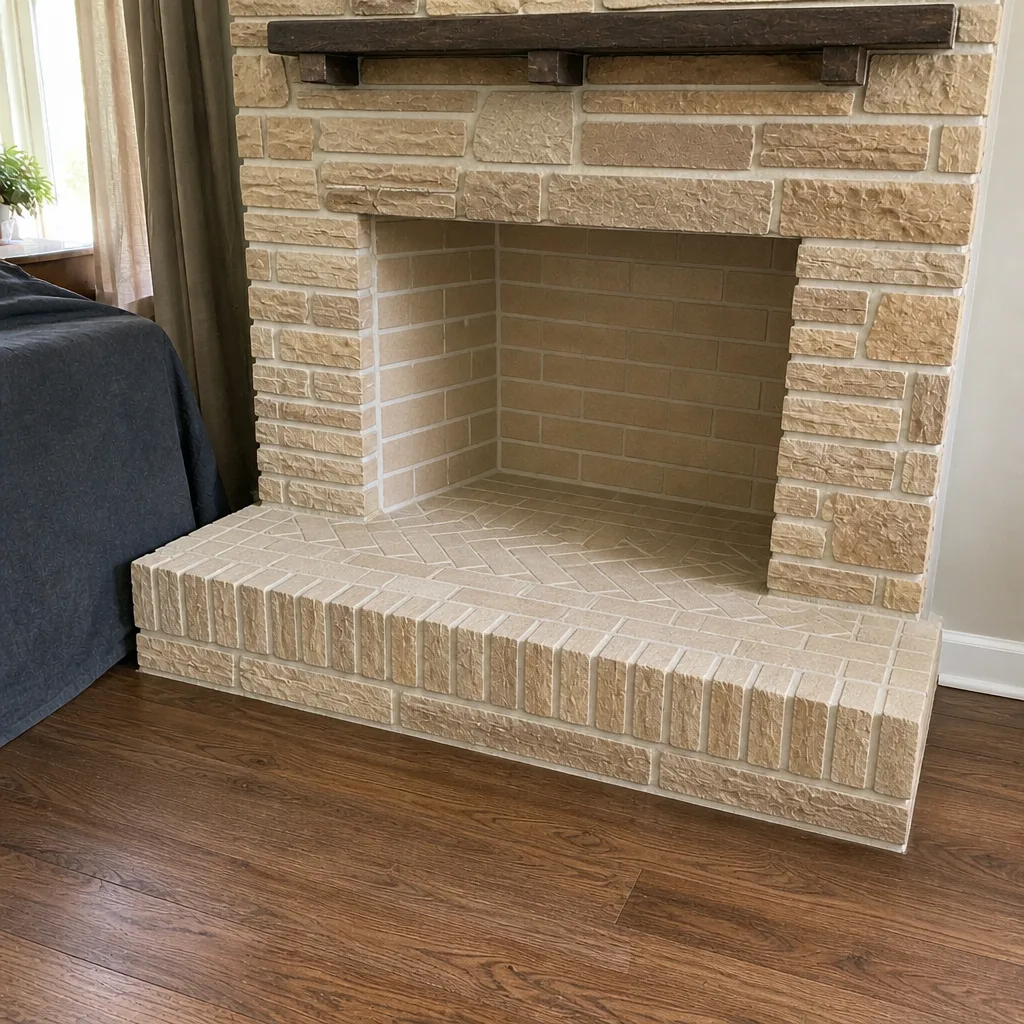 After
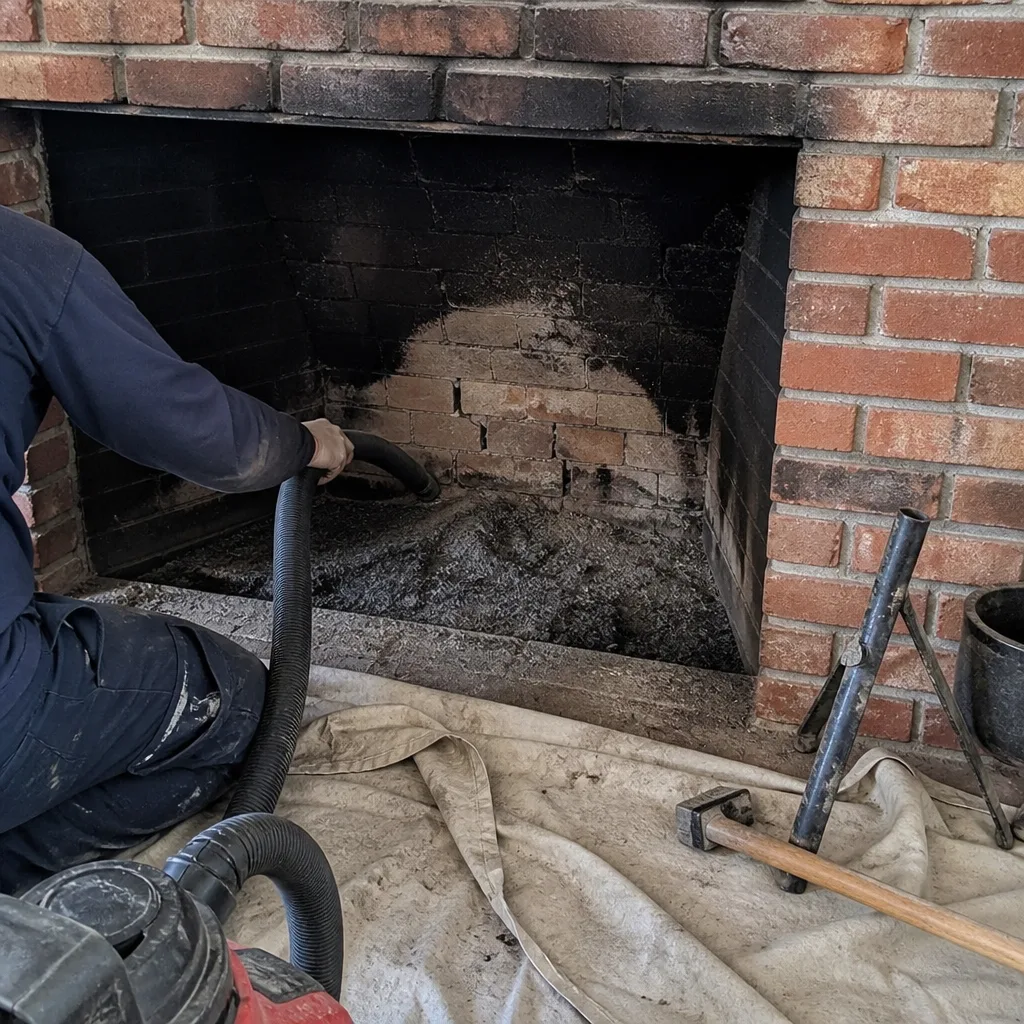 Before
 After
 Before
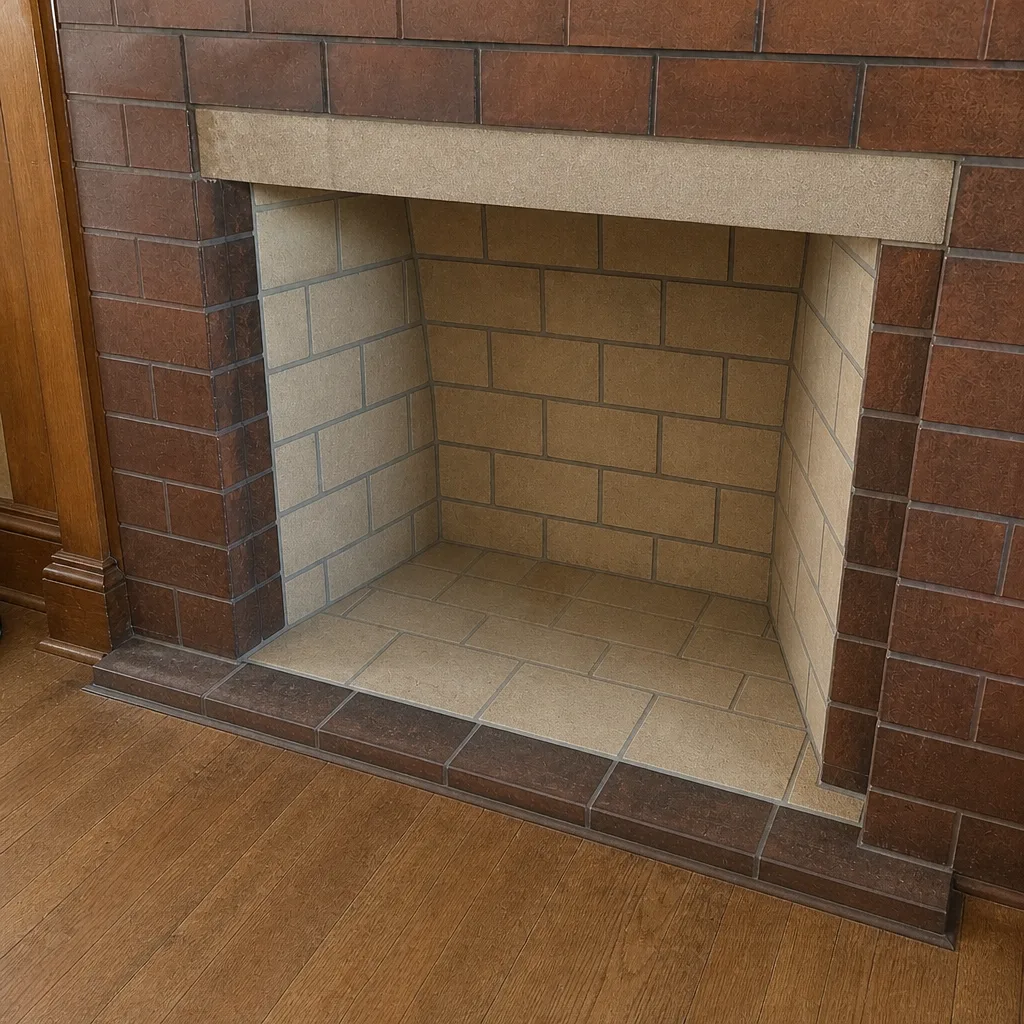 After
How Much Does Chimney Liner & Rebuild Cost in Lakewood?
A chimney liner replacement in Lakewood typically runs $2,400 to $6,800, and a partial chimney rebuild usually lands between $3,500 and $12,000. Full-height rebuilds on older masonry chimneys in the area can push past $15,000 once scaffolding, interior flue work, and code corrections are factored in. A written estimate sets the final price, and we give those estimates free.
We’re Lakewood Chimney Sweep Co, and liner and rebuild work is the part of this trade where guessing gets expensive. A liner that’s sized wrong, or a rebuild that patches the symptom instead of the cause, costs more to fix later than it would have cost to do right the first time. Our technicians have up to 11 years of experience, and we work from the firebox to the crown so the whole system gets checked, not just the part that’s visibly failing.
Call (866) 937-7920 for a free estimate. We answer 24/7. Fast dispatch from 7am to 7pm, Sunday through Friday.
Key Takeaways
- A standard stainless liner install in Lakewood: $2,400 to $6,800 depending on height, flue size, and whether the existing liner has to come out.
- Partial rebuild (crown, top courses, or a damaged shoulder): $3,500 to $12,000.
- Full chimney rebuild: $12,000 to $15,000+ on Lakewood’s older masonry chimneys.
- HeatShield resurfacing as an alternative to full relining: $1,600 to $3,400 when the existing flue is still structurally sound.
- Free estimates, and the written estimate is what you pay – no surprises added on the day of the work.
Chimney Liner & Rebuild Cost Breakdown (2026)
These are typical ranges for the Lakewood market in 2026. Every job gets its own written estimate because flue size, chimney height, and access change the number more than anything else.
| Line Item | Typical Range | What It Covers |
|---|---|---|
| Stainless liner – single-story chimney | $2,400 – $4,200 | Insulated flexible liner, top plate, cap adapter, connection at the appliance |
| Stainless liner – two-story chimney | $3,800 – $6,800 | Same scope, longer run, more staging at the roofline |
| Liner removal (old clay or failed metal) | $600 – $1,800 | Breaking out and hauling away the existing liner before the new one goes in |
| HeatShield flue resurfacing | $1,600 – $3,400 | Ceramic resurfacing of a sound clay flue instead of a full reline |
| Partial chimney rebuild (crown and top courses) | $3,500 – $7,500 | Rebuilding the section above the roofline, new crown, new flashing tie-in |
| Full chimney rebuild | $12,000 – $15,000+ | Tear down and rebuild of the full stack, interior flue work, code corrections |
| New crown only | $800 – $2,200 | Poured or cast crown with proper overhang and drip edge |
| Chimney cap installation | $350 – $900 | Stainless multi-flue or single-flue cap sized to the opening |
| Inspection before liner or rebuild work | Free with estimate | Camera inspection of the flue, exterior condition, and what the estimate needs to cover |
What pushes a quote toward the top of these ranges: a chimney that’s taller than average, a flue that’s out of square or oversized (which means a custom-sized liner rather than a stock one), a liner that’s been cemented in and has to be broken out, and any hidden water damage behind the flashing. What pulls it down: a straight run with good roof access, a standard flue size, and a clay liner that’s still sound enough for HeatShield resurfacing instead of a full reline. We’d rather tell you which of those situations you’re in before the work starts than discover it halfway through.
What Affects Chimney Liner & Rebuild Pricing in Lakewood
- Chimney height and roofline access. Lakewood’s mix of single-story ranches and two-story homes near the foothills means the same liner job can cost a thousand dollars more just from the extra height and staging. Steep pitches and tight side-yard access add setup time.
- Flue size and shape. Standard round flues take stock liners. Older clay-tile flues that are square, oversized, or slightly offset need a custom ovalized liner, which is a different material and a different price.
- Condition of the existing liner. A flue that’s still structurally sound can often be resurfaced with HeatShield for a fraction of a full reline. A flue with cracked or spalling tiles, or a failed metal liner, has to come out first.
- Freeze-thaw damage on the masonry. Front Range winters cycle above and below freezing repeatedly, and that’s what opens up mortar joints, spalls brick faces, and cracks crowns. A chimney that’s been through a few seasons without a cap usually has more exterior damage than the homeowner expects.
- Water intrusion behind the flashing. A rebuild that doesn’t address a leaking flashing detail will fail again. When we find moisture tracking down the stack, correcting the flashing and crown is part of the estimate, not an add-on later.
- Code corrections during a rebuild. Bringing an older chimney up to current clearances and liner requirements during a rebuild adds labor but saves you from doing it twice. Most cities require a permit for structural chimney work, so confirm the permit scope with the City of Lakewood building department before work begins.
Liner Replacement or Rebuild: Which Do You Actually Need?
Most homeowners in Lakewood call us because they’ve been told they need a rebuild, and often they don’t. A liner replacement addresses the flue – the passage the smoke travels through. A rebuild addresses the masonry structure around it. They fail for different reasons.
A liner is the right call when the exterior masonry is sound but the flue itself is cracked, unlined, or lined with a failed metal insert. That’s a contained job with a defined scope. A rebuild is the right call when the brickwork is shifting, mortar joints are washed out, the crown is gone, or the chimney is leaning away from the house. Rebuilding a chimney that only needed a liner wastes money. Relining a chimney with a failing structure puts a new liner inside a stack that’s still moving.
We inspect before we quote, and that inspection is a standalone service, not a sales pitch dressed up as a checkup. If a liner will solve it, we’ll say so. Our chimney liner & rebuild work covers both paths, and we specify the right product for the repair rather than defaulting to the cheapest option on the shelf.
Materials We Use and Why They Matter to the Price
Liner and rebuild pricing is mostly materials and labor in roughly equal measure, so the material choice moves the number directly. We work with professional-grade product lines including DuraFlex liner systems, HeatShield ceramic resurfacing, Gelco, Olympia Chimney, Famco, and Copperfield. These aren’t the cheapest products at the supply house, and that’s the point – a liner is a one-time install that has to last the life of the chimney.
A DuraFlex liner system, properly insulated, is what we install on most standard relines. HeatShield is a different tool entirely: a ceramic-based resurfacing applied to a clay flue that’s still structurally intact, which restores the flue’s integrity without tearing out the existing tile. It’s a specialized application that general sweep services don’t offer, and it’s often the difference between a $1,600 repair and a $5,000 reline. On the rebuild side, the mortar, crown mix, and cap material determine how the chimney handles another twenty winters of Front Range freeze-thaw.
Caps and crowns are their own category of prevention. A stainless cap keeps water, birds, and debris out of the flue year-round, and a properly poured crown with an overhang and drip edge is what keeps water from running down the stack in the first place. We treat cap and crown installation as a dedicated service because protecting the chimney from the top down is cheaper than rebuilding it from the bottom up.
How to Save on Chimney Liner & Rebuild in Lakewood
The biggest savings come from catching the problem before it becomes structural. A few practical ways to keep the number down:
- Get the inspection before the damage spreads. A cracked crown caught early is an $800 to $2,200 repair. Left through a few freeze-thaw cycles, it turns into water behind the flashing and a partial rebuild.
- Ask whether HeatShield is an option. If the clay flue is sound, resurfacing runs well under half the cost of a full reline. Not every chimney qualifies, but it’s worth asking before you accept a reline quote.
- Fix the cap and crown while the chimney is already open. If a liner is going in, adding a cap at the same visit costs less than a separate trip later.
- Get more than one written estimate, and compare scope, not just the total. A quote that leaves out liner removal or flashing correction isn’t cheaper – it’s incomplete.
- Address it in the shoulder season. Scheduling during the warmer months means no pressure to rush the job before the heating season, and better access to the roof.
We give free estimates, and the estimate is written so you can see what’s included line by line. Call (866) 937-7920 to schedule one. We answer 24/7, and fast dispatch from 7am to 7pm, Sunday through Friday.
Why the Estimate Is Higher Than the Online Average
National averages for liner replacement tend to run a few hundred dollars below what a Lakewood homeowner actually sees, for a reason worth knowing. The national number usually assumes a straight single-story chimney with easy roof access and a stock flue size. Lakewood’s housing stock is older in many neighborhoods, and older chimneys tend to have non-standard flues, tired crowns, and masonry that’s been through decades of freeze-thaw without a cap. Those conditions change the scope.
We’d rather quote the job you actually have than quote low and revise it later. That means the estimate you get from us reflects what the chimney needs, not what the average chimney needs. If the scope turns out smaller than expected once we’re on the roof, the estimate comes down.
Safety: Why This Isn’t a Do-It-Yourself Job
A chimney liner and rebuild involve the flue, the roof, and in some cases the structural connection between the chimney and the house. Liner work means working at height with heavy materials and confirming proper clearances to combustibles, and a rebuild means structural masonry. Both carry real risk of falls, burns, and carbon monoxide exposure if the job is done wrong. We recommend a trained professional for anything beyond a visual check from the ground, and we don’t give step-by-step instructions for this work because the failure mode is dangerous, not inconvenient. A safe chimney isn’t a luxury – it’s the job.
When to Call for Liner or Rebuild Work
- Your fireplace smokes into the room, or the draft has gotten noticeably weaker.
- You’ve had a chimney fire, even a small one, and the flue hasn’t been inspected since.
- There’s visible cracking, spalling, or missing mortar on the exterior masonry.
- The crown is cracked or gone, or there’s no cap on the chimney.
- Water stains appear on the ceiling or the chimney breast after rain or snowmelt.
- You’re switching appliances – a new wood insert or gas appliance needs a liner rated for it.
FAQs – Chimney Liner & Rebuild Cost in Lakewood
How much does a chimney liner cost in Lakewood?
A chimney liner in Lakewood typically costs $2,400 to $6,800, with most single-story installs landing near the lower end and two-story or custom-flue jobs near the top. Liner removal, if the old liner has to come out, adds $600 to $1,800. Call (866) 937-7920 for an exact quote – estimates are free.
Is it cheaper to reline or rebuild a chimney?
Relining is almost always cheaper – a liner runs $2,400 to $6,800 where a partial rebuild starts around $3,500 and a full rebuild runs $12,000 to $15,000+. Rebuild only becomes necessary when the masonry structure itself has failed, not the flue. Call (866) 937-7920 and we’ll tell you which one your chimney actually needs.
Will HeatShield save me money over a full reline?
Yes, when the clay flue is still structurally sound. HeatShield resurfacing runs $1,600 to $3,400, well under a full reline, because it restores the existing flue instead of replacing it. Not every flue qualifies. Call (866) 937-7920 for an inspection and an honest answer.
How much does a chimney rebuild cost in Lakewood?
A partial rebuild, usually the crown and the courses above the roofline, costs $3,500 to $7,500. A full chimney rebuild runs $12,000 to $15,000 or more depending on height, interior flue work, and any code corrections. Call (866) 937-7920 for a free estimate on your chimney.
Can you come out today?
Same-day service is often possible. Call (866) 937-7920 and we’ll book you into the next opening. We answer 24/7, and fast dispatch from 7am to 7pm, Sunday through Friday.
Get a Free Estimate from Lakewood Chimney Sweep Co
Liner and rebuild work is where a chimney either gets fixed properly or gets patched until the next problem. We handle sweeping, inspection, fireplace repair, chimney repair, and cap and crown installation under one roof, so you don’t need to line up three different contractors for one chimney. Our technicians have up to 11 years of experience, and we work with professional-grade brands because we specify the right product for the repair, not the cheapest one available. Call (866) 937-7920 for your free estimate. We answer 24/7. Fast dispatch from 7am to 7pm, Sunday through Friday.
Pricing reflects the Lakewood market as of 2026. Lakewood Chimney Sweep Co offers free estimates – call (866) 937-7920.
Written by the team at Lakewood Chimney Sweep Co.
What Our Customers Say
"Liner was cracked in two places. He walked me through the repair options honestly, including the one that was cheaper for him and better for me."
- Beatriz Guzman"Level two inspection before we bought the house. The report was detailed enough to use as a negotiating point and he explained every photo in it."
- Brian Brooks"Good work. The written inspection report took about a week to arrive after I asked for it, which was slower than I expected."
- Steven Park